
This is part 4 with Kinosaki Onsen. Part one from Tokyo, two from Osaka and three from Onomichi.
For this trip, we decided to take all our luggage with us and use public transport to get to Kinosaki Onsen. This was partly because there was no convenient luggage storage facility nearby. After packing, we watched some Japanese television to pass the time while we waited for the bus. To avoid overburdening the local transport, we took the trip to Shin Onomichi station in two waves: me and my cousin on the first bus and my friend and his wife on the second, just after handing back the keys to the house.
Last time, I did not fully explain how the bus system in Onomichi works. Here is a brief summary: you enter at the back and exit at the front. In some cities, you pay a fixed fee for the journey and in Nara, you could pay this fee by tapping your credit card. Here in Onomichi, the system was slightly different. To pay, you had to take a slip of paper from the ticket machine when you entered and hand it back to the driver when you exited. The driver would then calculate the fare based on this information. The first time we took the bus, while collecting our luggage, we were overwhelmed and missed this step. Luckily, the driver had remembered where we had got on the bus and calculated the fare accordingly. On some of the other buses we rode, the system was the same, but you could also check in using your IC card. You can pay using the IC card, cash or paper slips that you hand to the driver, just like the entry tickets. This system is similar to public baths in Germany, where you can purchase 10 entry tickets as paper slips at a discounted price. I imagine there is also a welfare system for the elderly who are unable to drive using these paper tickets, but I digress.
After a short ride, we arrived at Shin Onomichi Station. Here, we had some time to wait for the others and for our train to arrive. After checking out the surrounding area, we found a supermarket. My cousin went in to buy supplies for the trip while I waited with the luggage. Once he had returned to the station, I went to the shop and did the same.
As you usually don’t eat much on regional trains, I picked up some small apples and something to drink. However, when I got to the checkout, I realised that something was missing. My debit card was no longer in my wallet and I was short on cash that day. To make matters worse, the counter machine did not support any other form of payment. I put my credit card in the machine without noticing the signs and immediately bricked it. The previous day, we had joked that one of us would always have cash or be able to pay for someone else and now I was in the supermarket all on my own.
To resolve this, I gestured to the staff to show that I could not pay and left without the goods. Back at the station, I searched for the card, but it was nowhere to be found. Luckily, there was no unauthorised transaction on my bank statement, so I would say it was just an accident and no harm was done besides the embarrassment. The others soon arrived and we departed for Himeji.
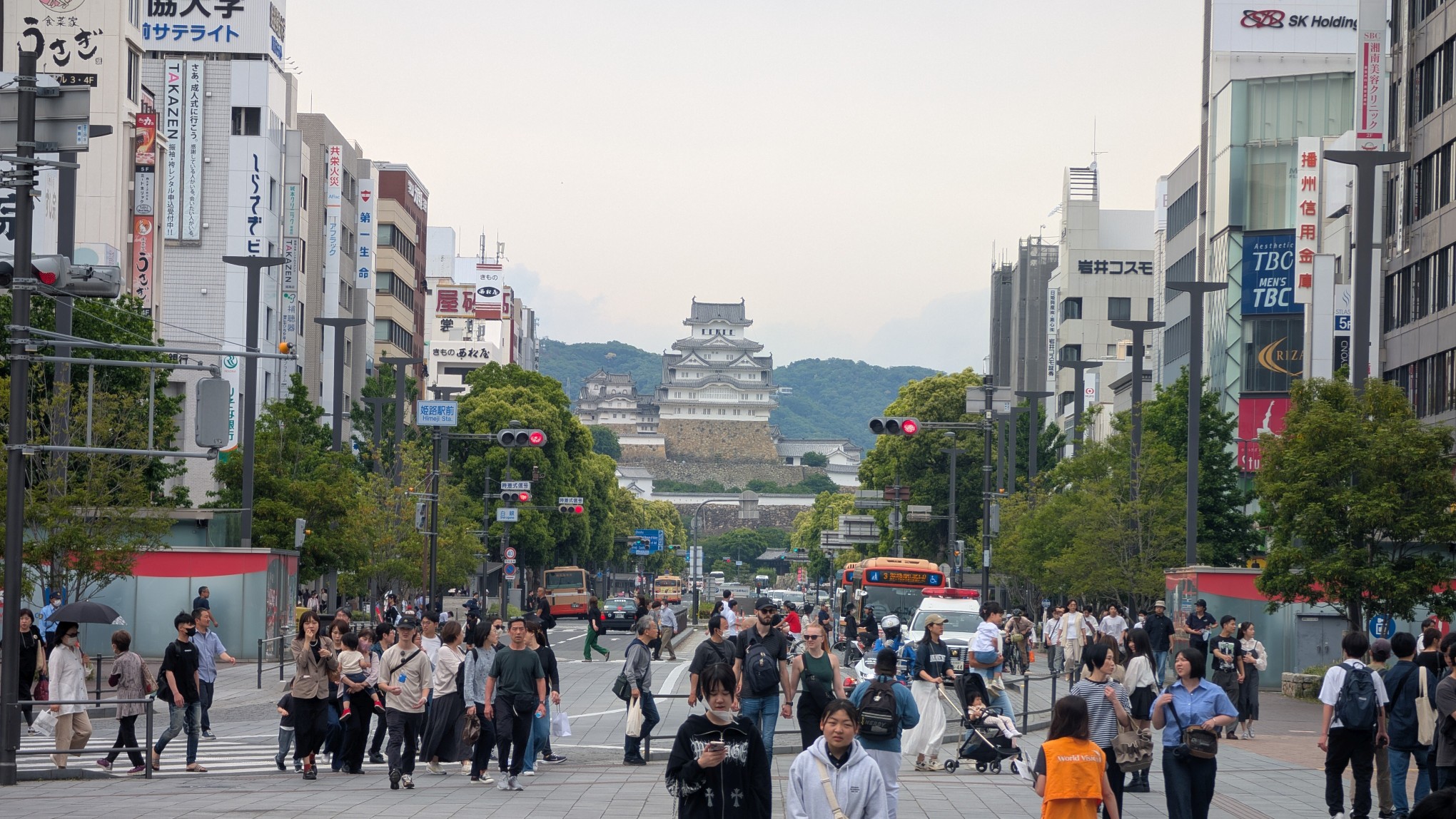
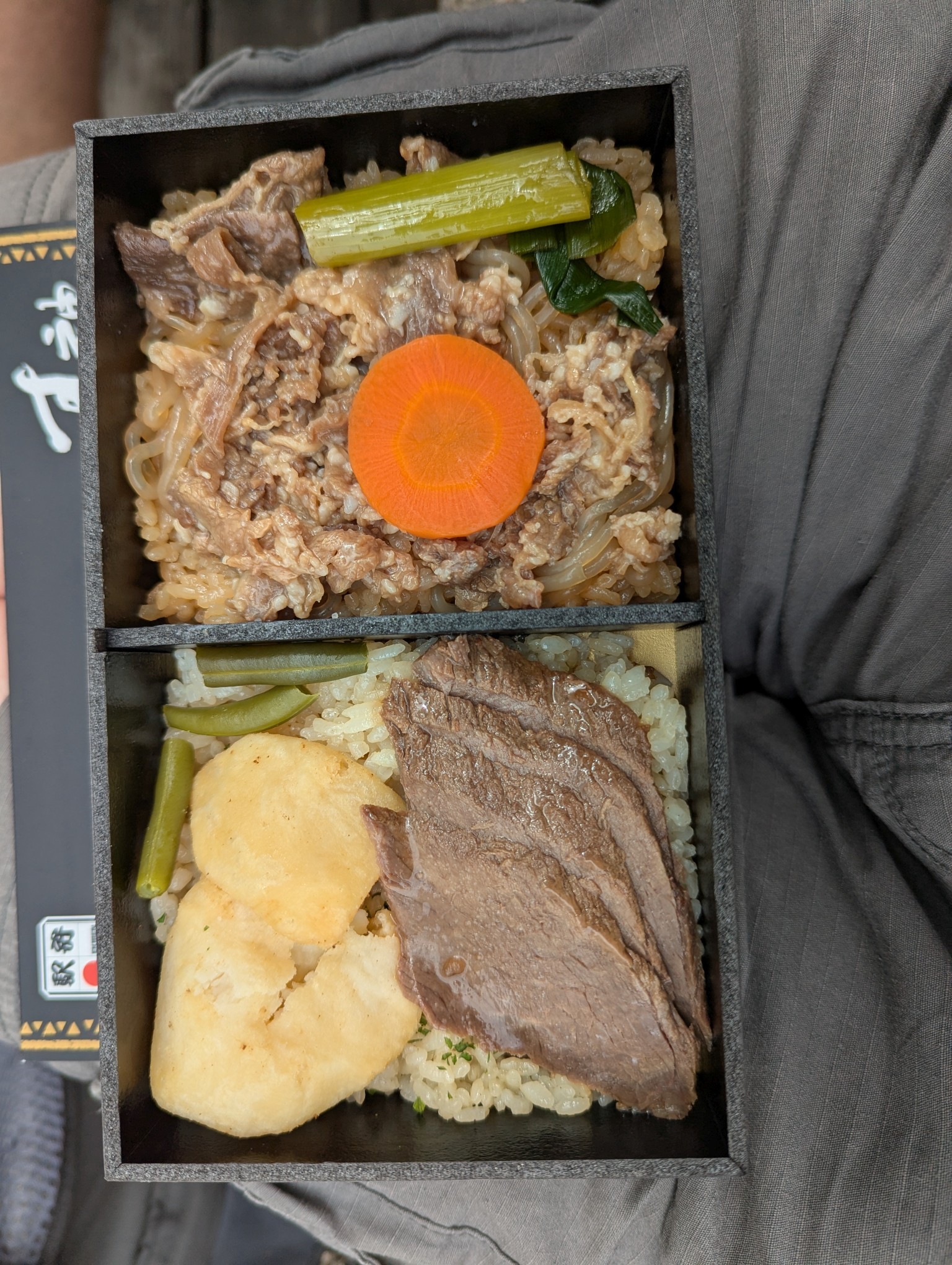
Our first journey on the two Shinkansen trains was swift, taking just 35 and 15 minutes. At Himeji station, we had some time to grab lunch and a coffee. This time, I chose a different bento box. The potatoes weren’t great, but the rest was delicious. Next time, I just have to avoid meals containing potatoes.
After this stop, we took a number of regional trains. First, we had to go back into the station and then to the platform. The regional train in Himeji was set up similarly to the urban trains in Tokyo, with a row of seats on both sides of the carriage and lots of standing room. We had to stand for the first few stations, but the carriage emptied later on. After 65 minutes, we reached the end of the line and had to change to a different train. In Germany, this is always a point where things can go wrong. A functioning train system with matching schedules makes changing trains easy. In this case, the next train was already waiting on the opposite side of the platform. However, this train was not electric, but instead driven by a gasoline engine and normal groups of seats where you no longer have to sit sideways to the direction of travel.
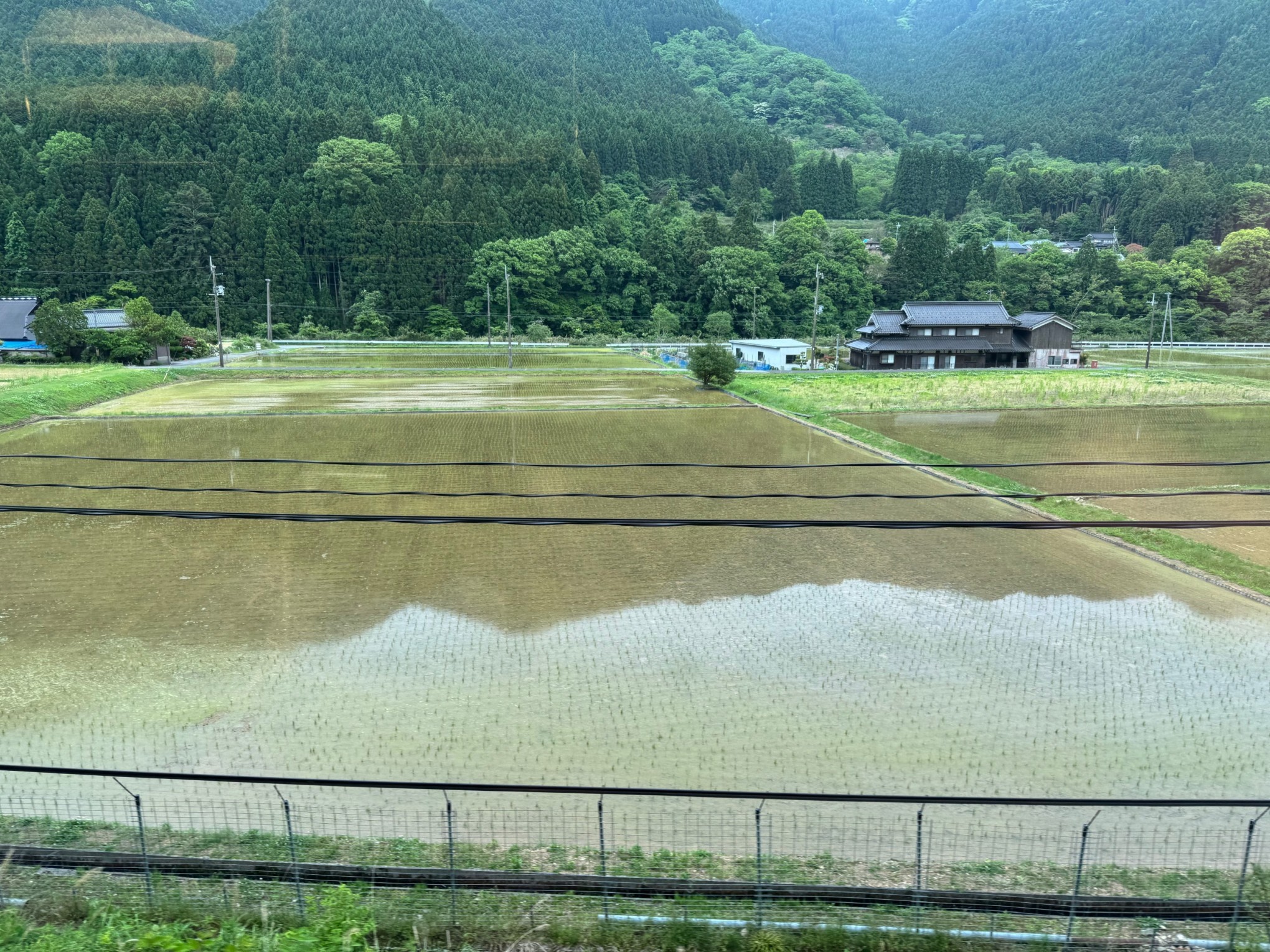
Meanwhile, the landscape became increasingly rural, with forests extending right up to the tracks. After 55 minutes, the journey ended. The next regional train followed soon after. Similar to the previous one, but smaller. As you might have guessed, this was another long ride, this time 60 minutes until the end of the line. Again, we had to switch trains, with the new one waiting. This time, we managed to get seats close together, so we spent the last 65 minutes watching the outside fly by until we reached Kinosaki Onsen.
The journey took a total of eight hours, but all the regional trains were on time and without delay.
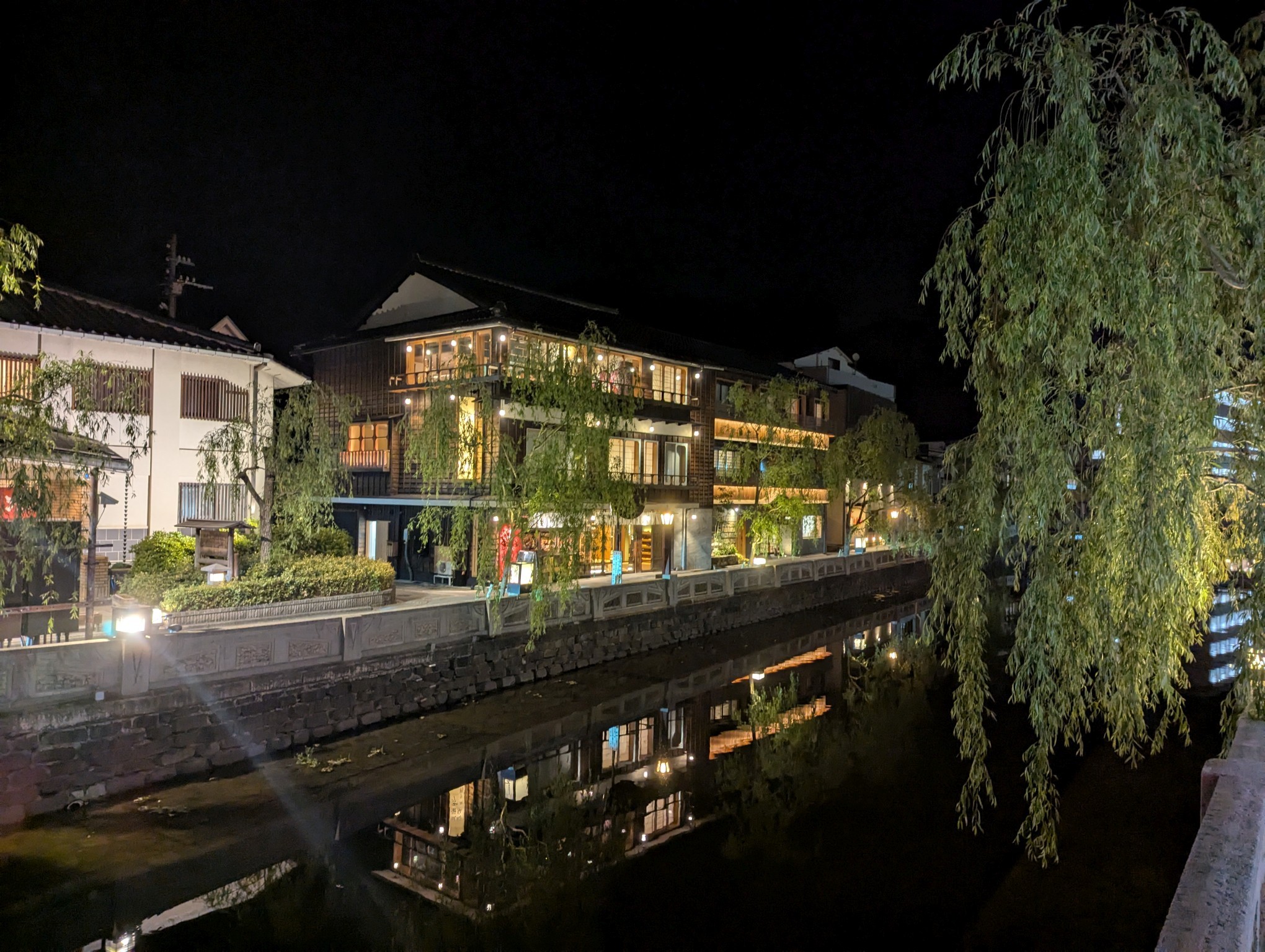
Upon reaching Kinosaki, we walked from the train station to the ryokan, a type of traditional Japanese inn, where we had booked to stay for the next three nights.
We were warmly welcomed at the ryokan. The staff had received our scheduled arrival time in advance and were waiting for us when we arrived. First, they explained the house rules: no outside shoes after the lowered entry area. There was a cupboard to store our shoes and traditional outdoor shoes were provided for walking in town. They also showed us where our rooms were located and when the house was closed. After showing us our rooms, we noticed that our luggage had been brought up the stairs and was waiting in front of our room. They had remembered which luggage belonged to whom and had made the effort to take care of this.
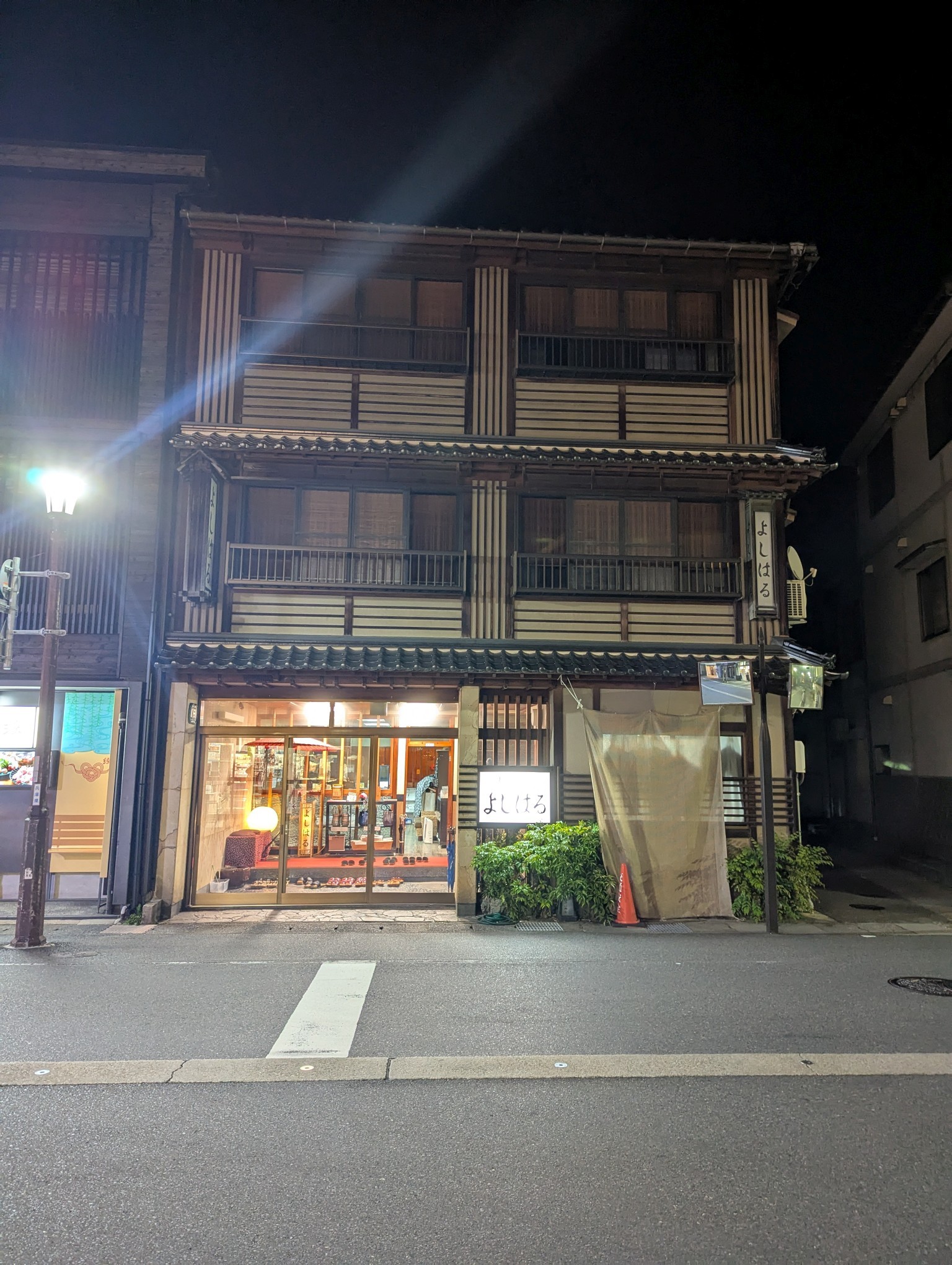
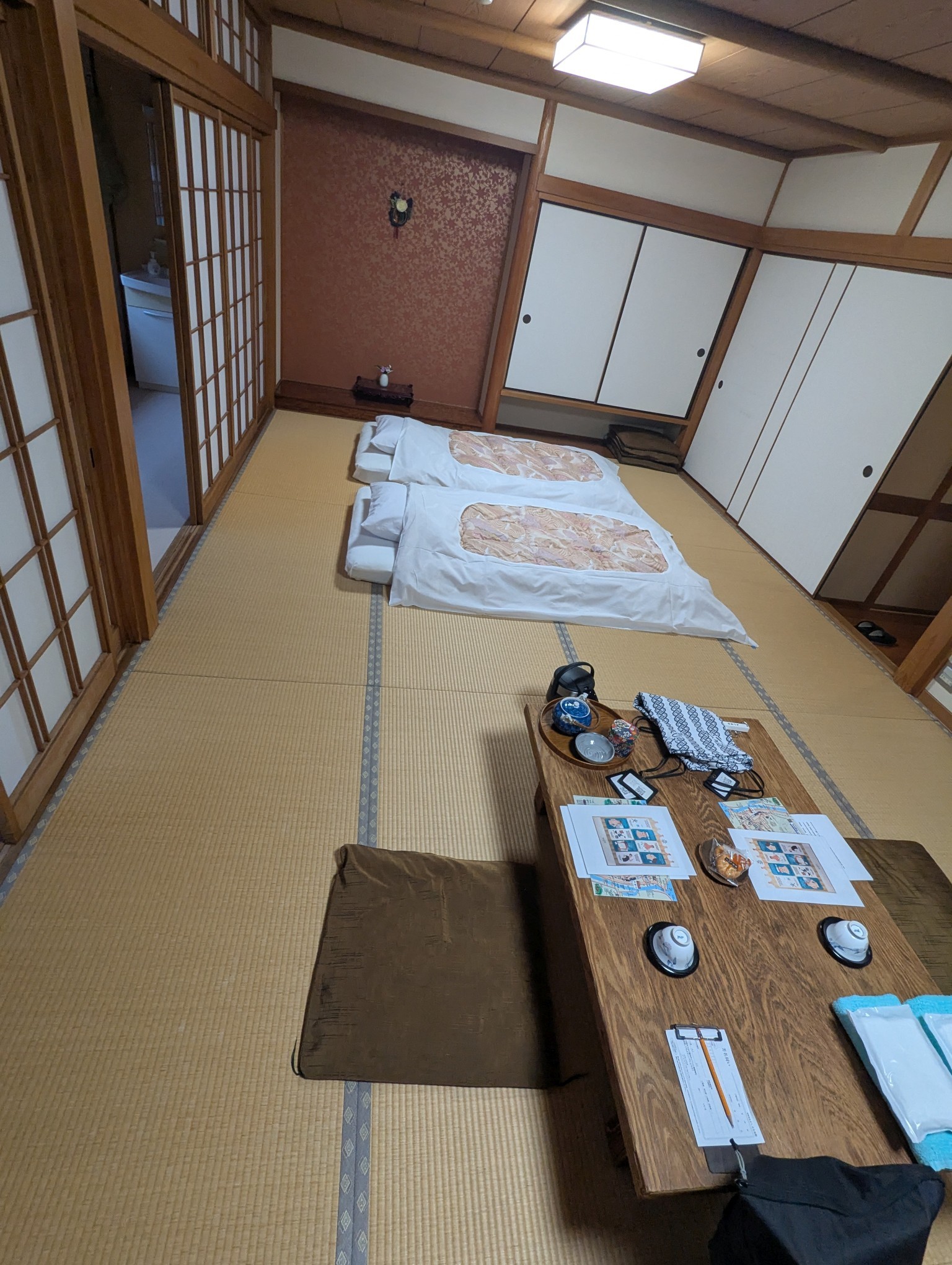
For communication (as english was not an option) the staff used a communication device. Words spoken into the microphone would be translated into German and blurted out. This led to some amusing misunderstandings, but more on that later. As we had decided to have one traditional dinner and breakfast at the ryokan, we told the staff directly and negotiated what our tastes and preferences were. One of our group ate fish, but the other three were not so keen on fish or crabs.
Our stay included traditional clothing (yukata), shoes (geta), towels for the Onsen in the right sizes and entry to the seven different onsen bath houses. We could wear the traditional clothes while walking around town. The ryokan also provided handbags to store necessities such as towels or the onsen entry pass.
To put on the clothes we had to learn how to tie the yukata belt (obi), with a knot called musubi. My cousin had bought a kimono earlier and was able to show us how to wear it, which resulted in the staff complimenting us „sugoi“.
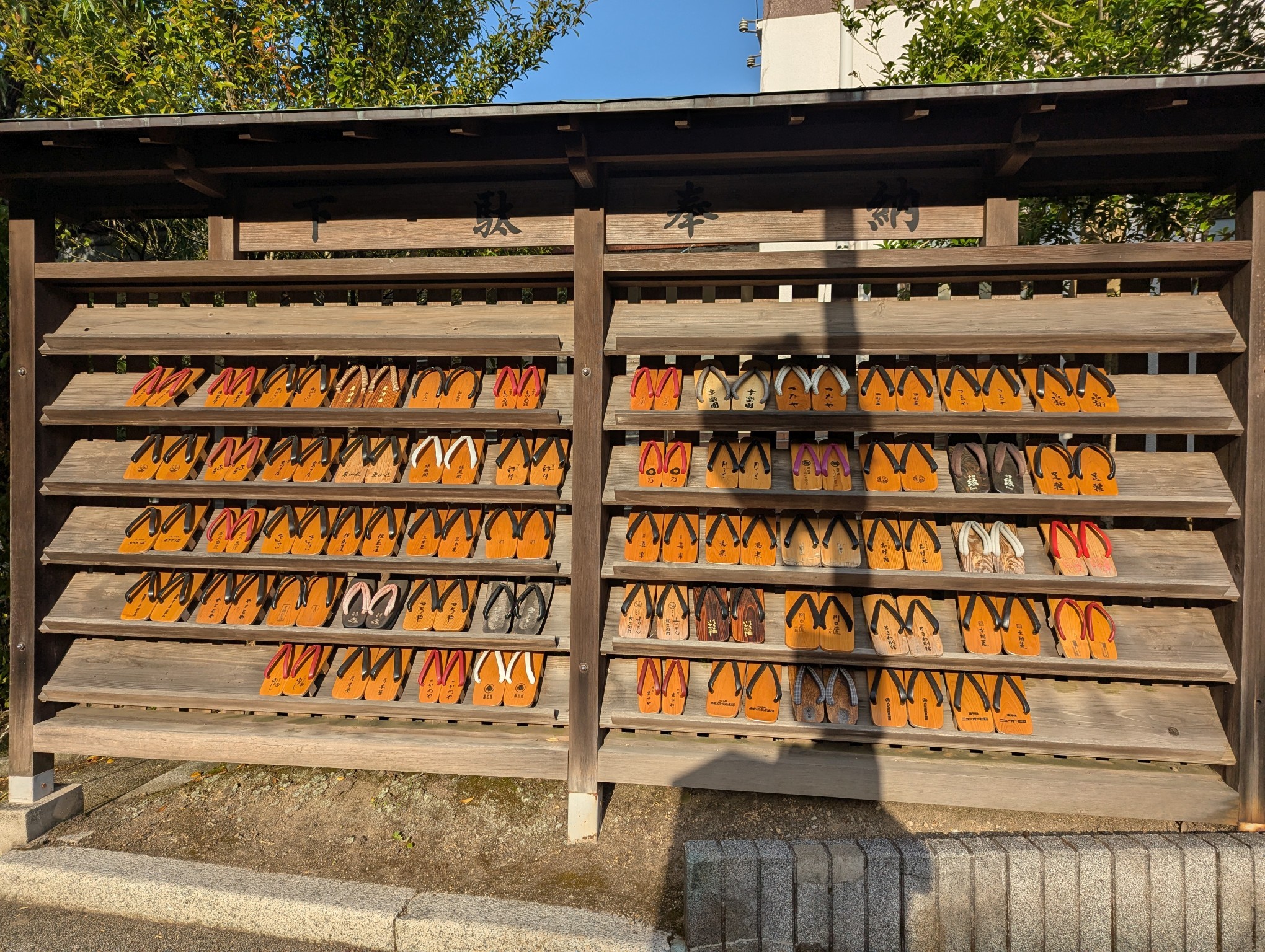
To relax for the rest of the day, we decided to visit one of the onsen. The staff provided us with a map and we chose the onsen with an exterior cave as our first destination. To get there, we used the shoes provided by the ryokan. There were different styles of shoe sole to choose from. I picked a model made entirely out of wood with a sole that looked like teeth made out of two blocks of wood. This resulted in an interesting walking experience, not to mention the nice click-clack we made while walking down the street.
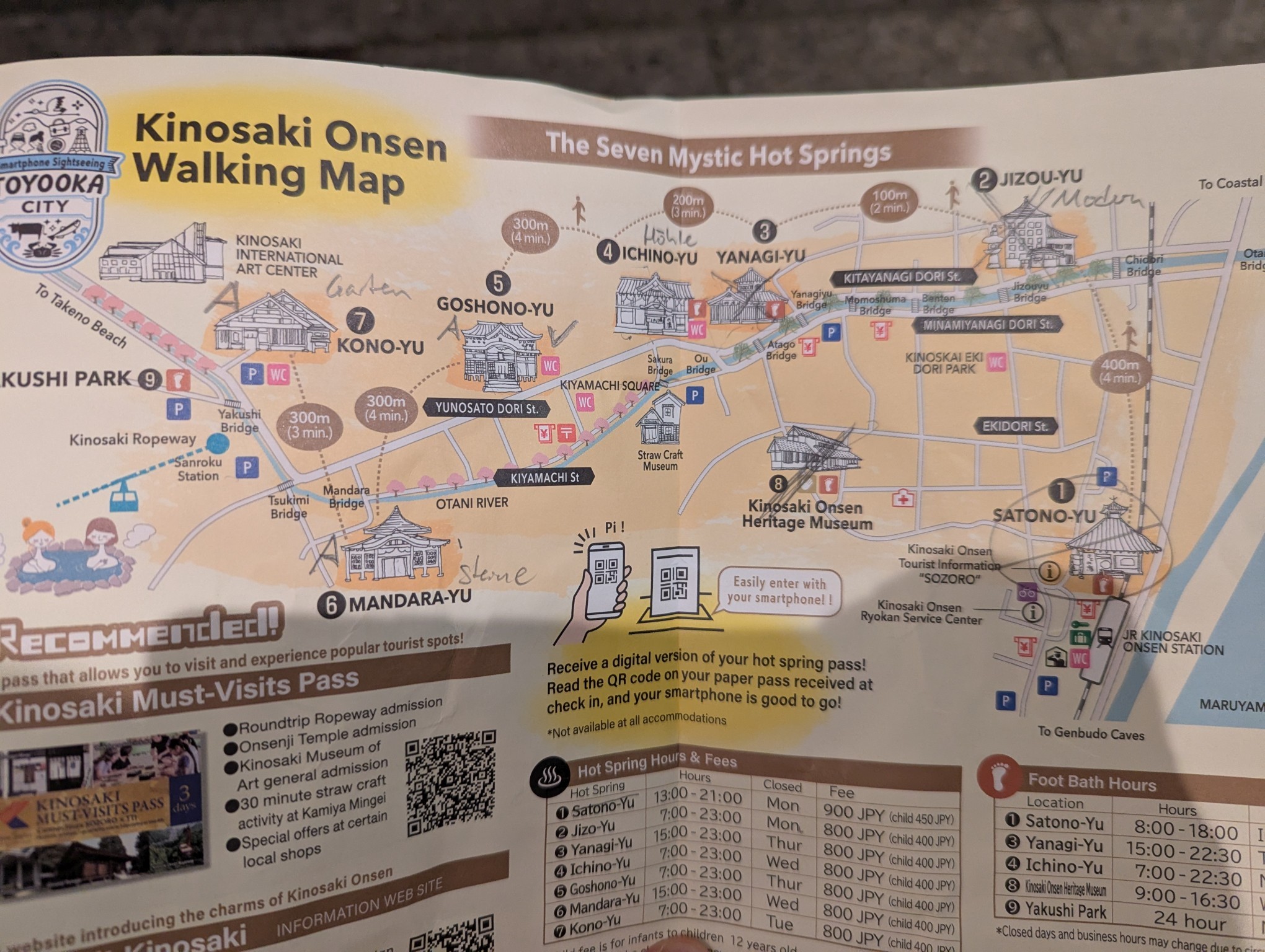
The onsen itself was small. Similar to the onsen in Osaka, you are responsible for storing your outdoor shoes and clothes. After the dressing room came the shower area, which had the same small stool, soap and showerhead setup. The onsen itself was just a small exterior hot spring nestled in a beautiful cave. There was not much room for resting or sitting, so after spending some time in the bath, we left feeling all warmed up and ready for the night. As we had left our electronic devices and wallets at the ryokan, we clickediclacked back.
On the way back, we noticed a man walking around town with some percussion instruments made of wood and making clicking sounds. This was different from the clicking sound produced by the geta boots on the concrete, so we asked the staff about this spectacle. The answer: fire awareness. With the hot spring-to-summer weather, the risk of fire increases and this tradition is intended to make people aware of the danger and encourage caution.
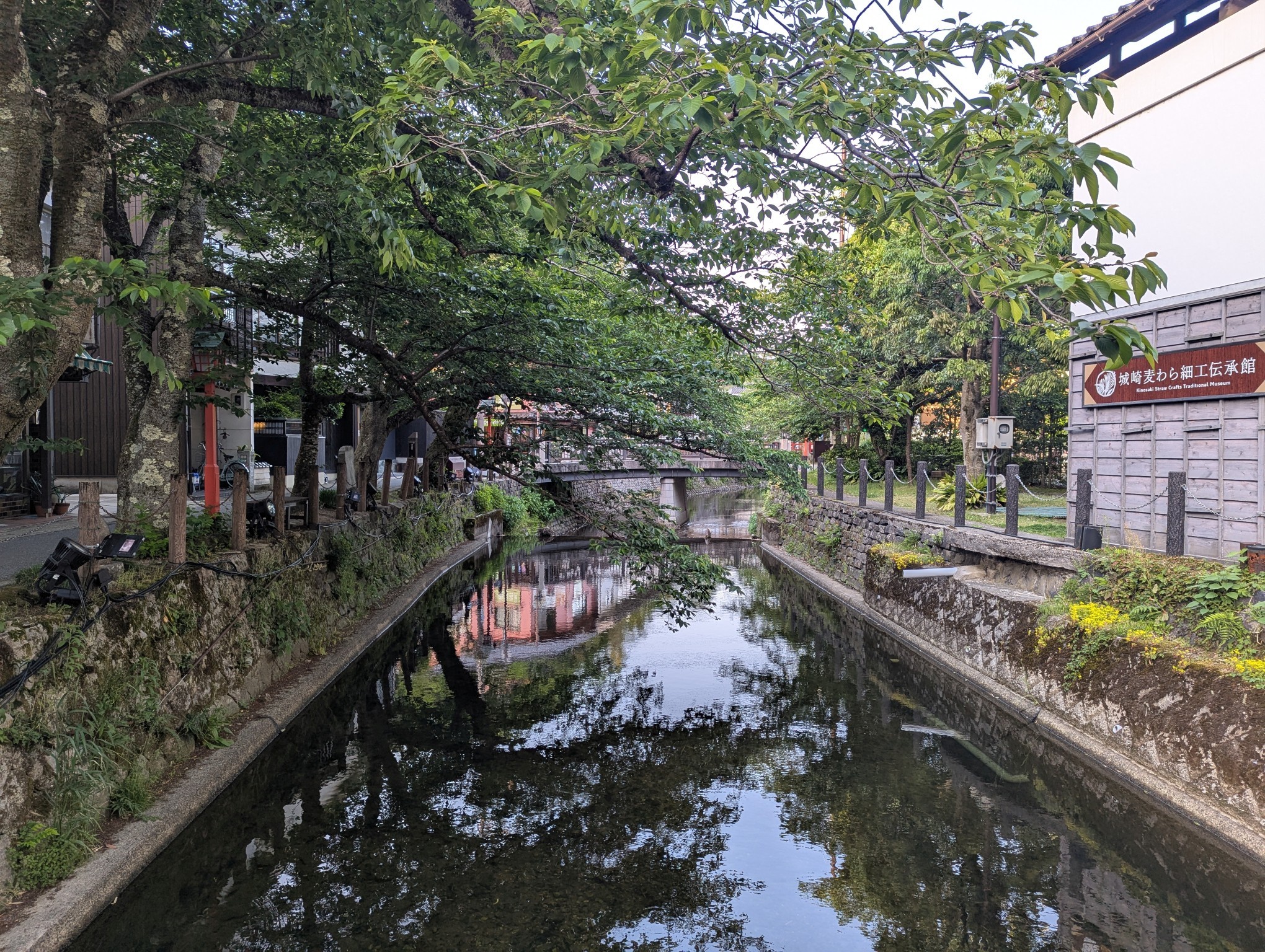
As the sun set, my cousin and I wanted to grab dinner and explore the surrounding area. After checking online for places that were still open, we settled on a small Chinese-style shop that sold fried noodles and rice. On the way there and back, we enjoyed the town’s scenery and the peace and quiet after the previous weeks. Now our relaxation and holiday could finally begin.
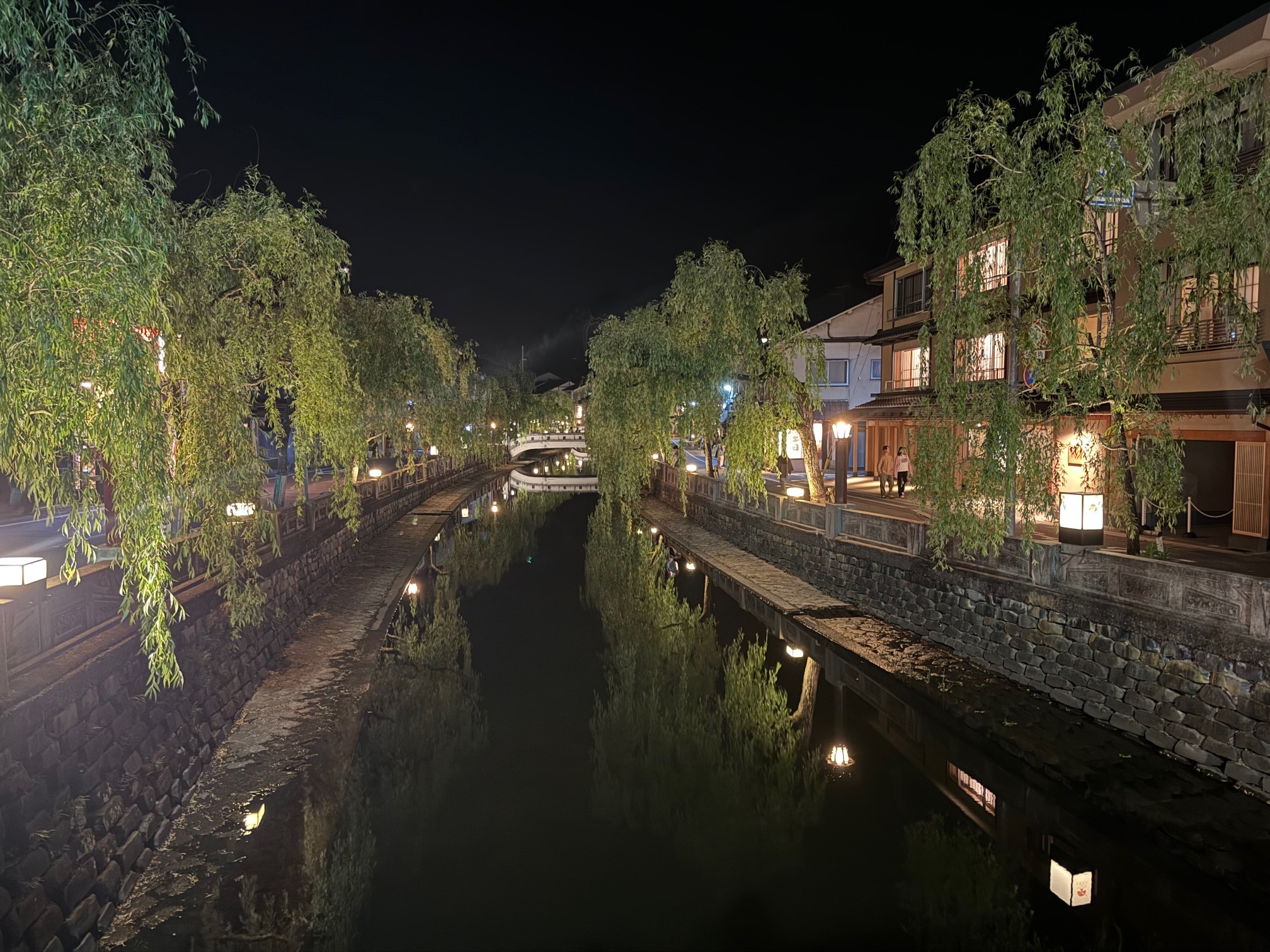
Kinosaki Washing Day
In the morning, we took a trip on the nearby ropeway. This time, we wore kimonos, but the shoes provided by the hotel were not as comfortable as I would have liked. So, during the trip, we ditched the provided shoes and went barefoot for the rest of the day.
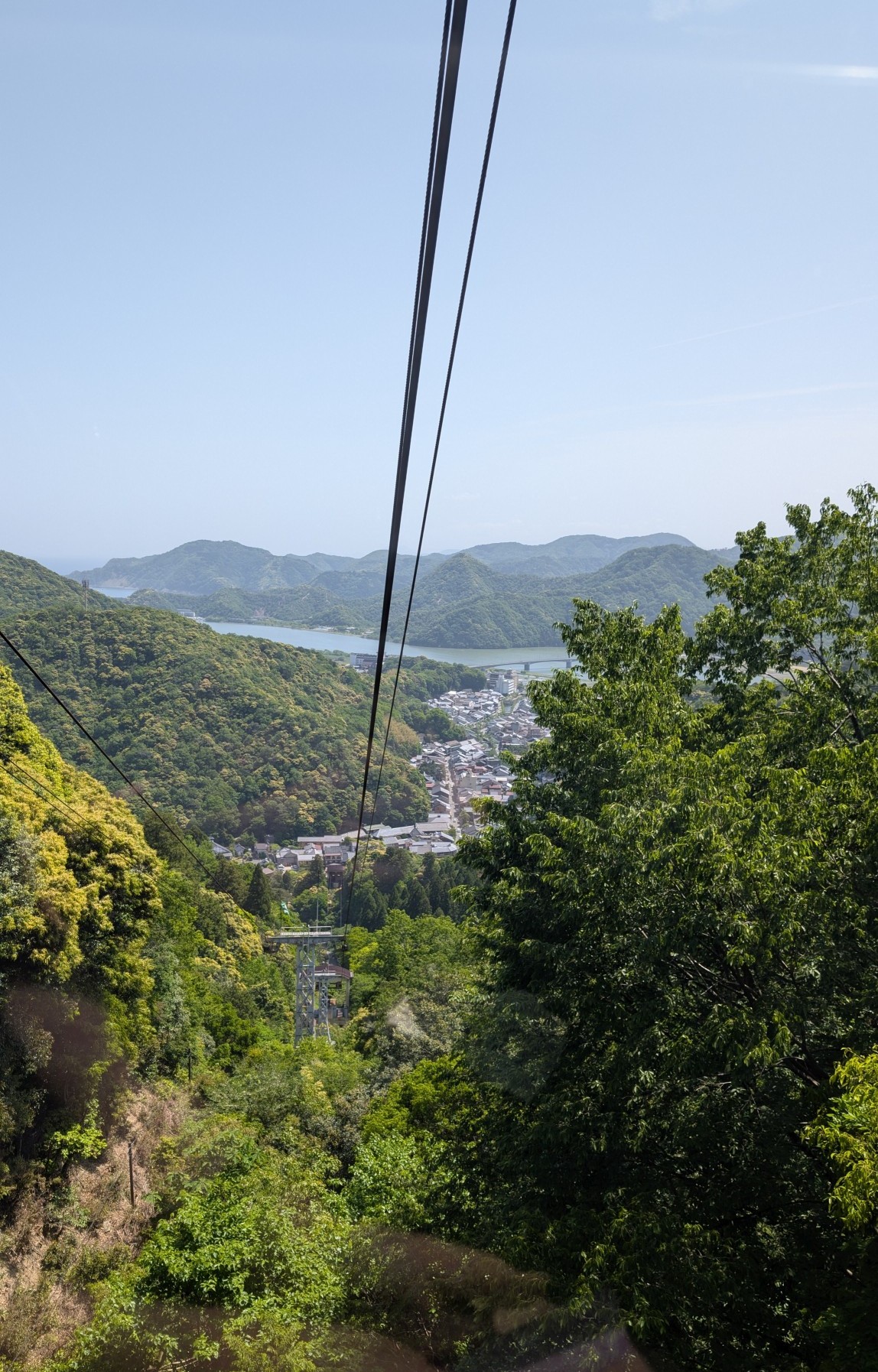
There is a small restaurant up the mountain where we enjoyed our morning coffee with a really great view. The coffee and hot dogs served were great, too. After walking up to the edge of the mountain, we went back down to do some shopping.
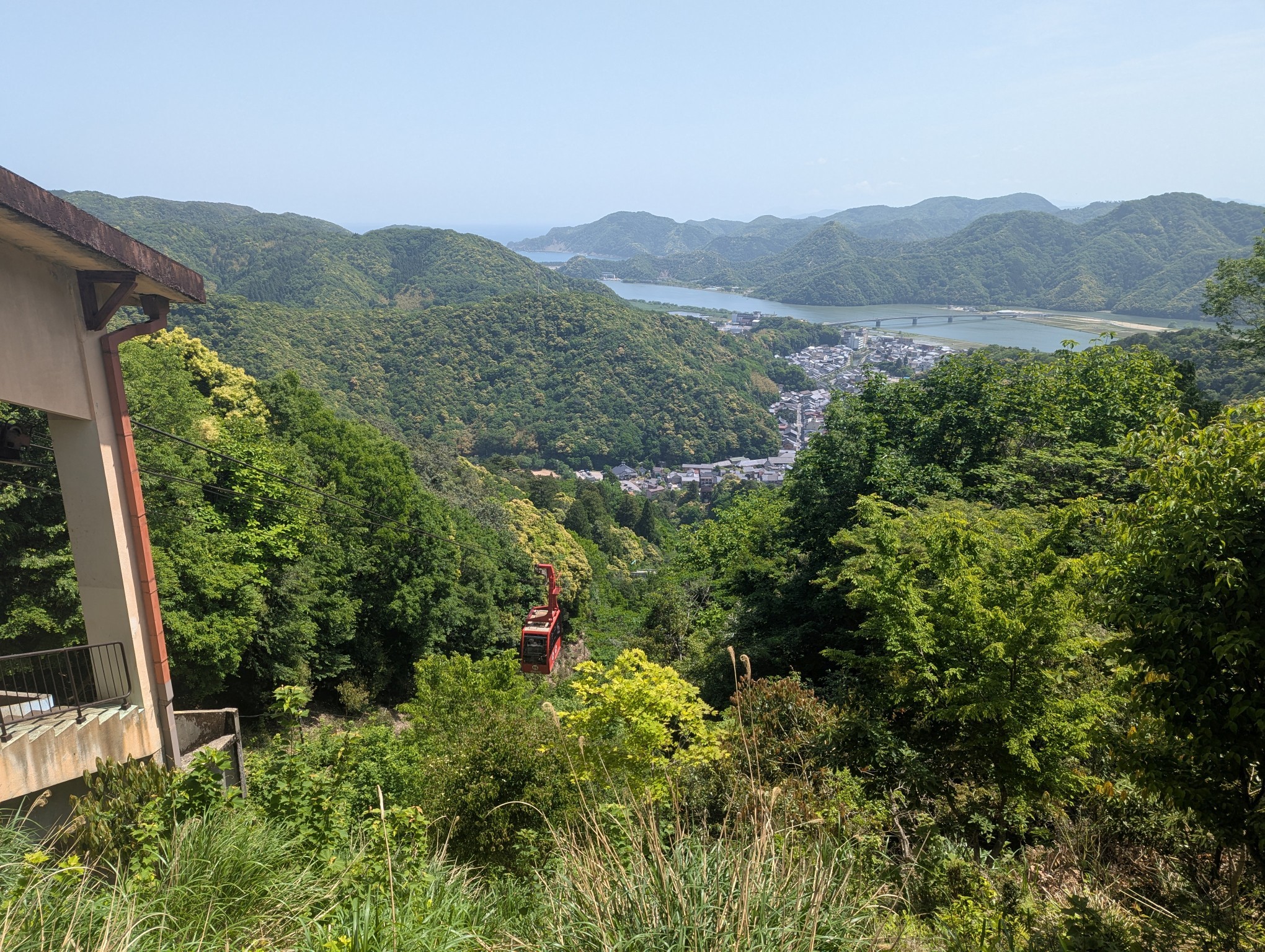
Back down, I decided to split up from our group and head to an onsen to shower after this ride, as I came prepared and packed my towels for the trip.
The second public onsen I visited was also rather small, with only a couple of shower stalls and an outdoor hot pool and an indoor bath. The outdoor pool was small, but the surrounding garden was lush.
Feeling refreshed, I went back into town to meet up with the rest of the group, who had found pyjamas and shoes. I spontaneously decided that I needed a pair of geta too. Upon returning to the ryokan, we prepared our clothes for washing, arranged the lunch options for the following day and planned how to handle our luggage for the next trip.
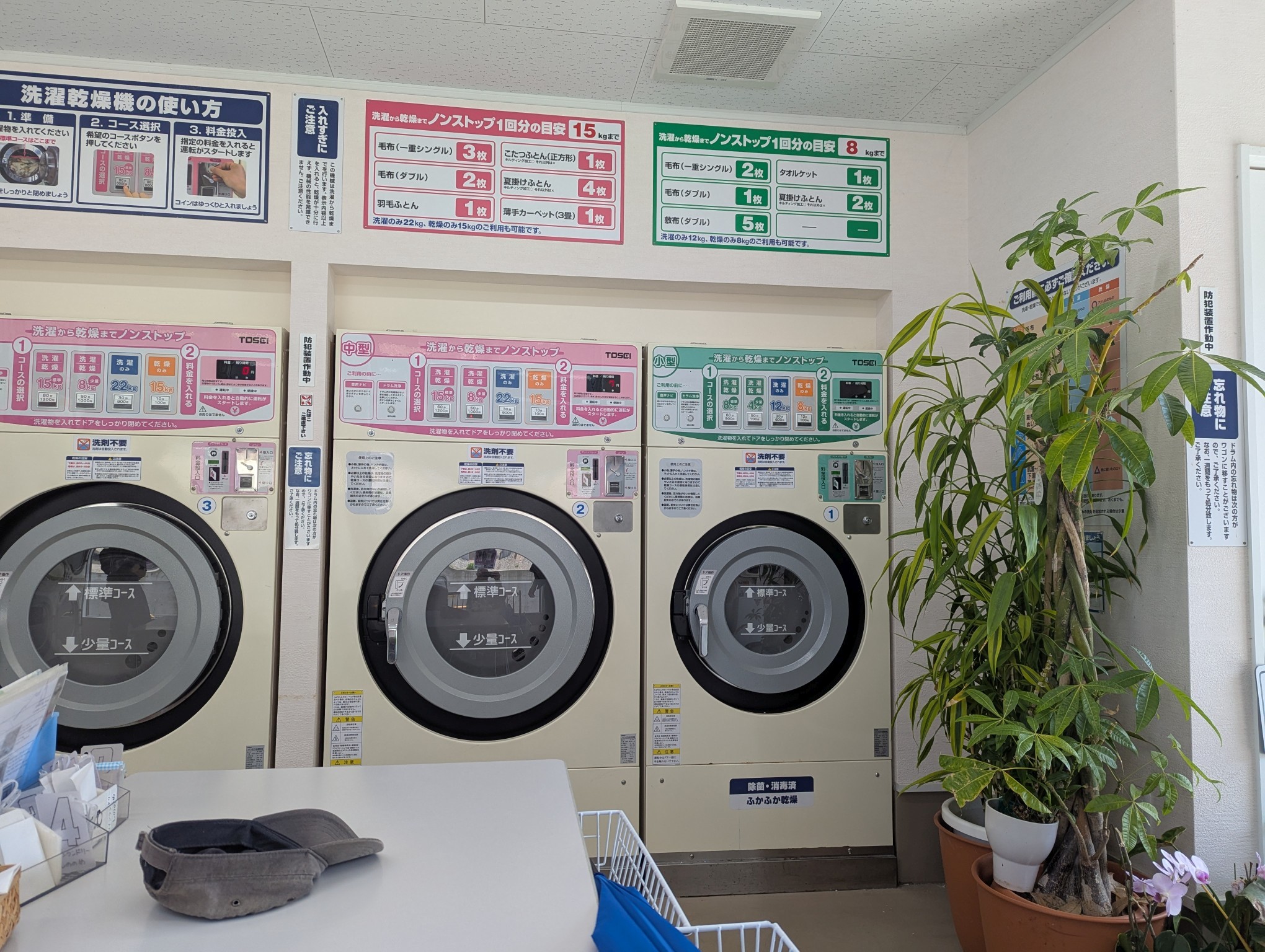
Once we had finished washing, we headed back to our hotel to stow our luggage and relax in the shade for a while. The mountain restaurant and the liqueur shop next to our hotel sold regional beer, interestingly with German titles. This naturally invited a taste test.
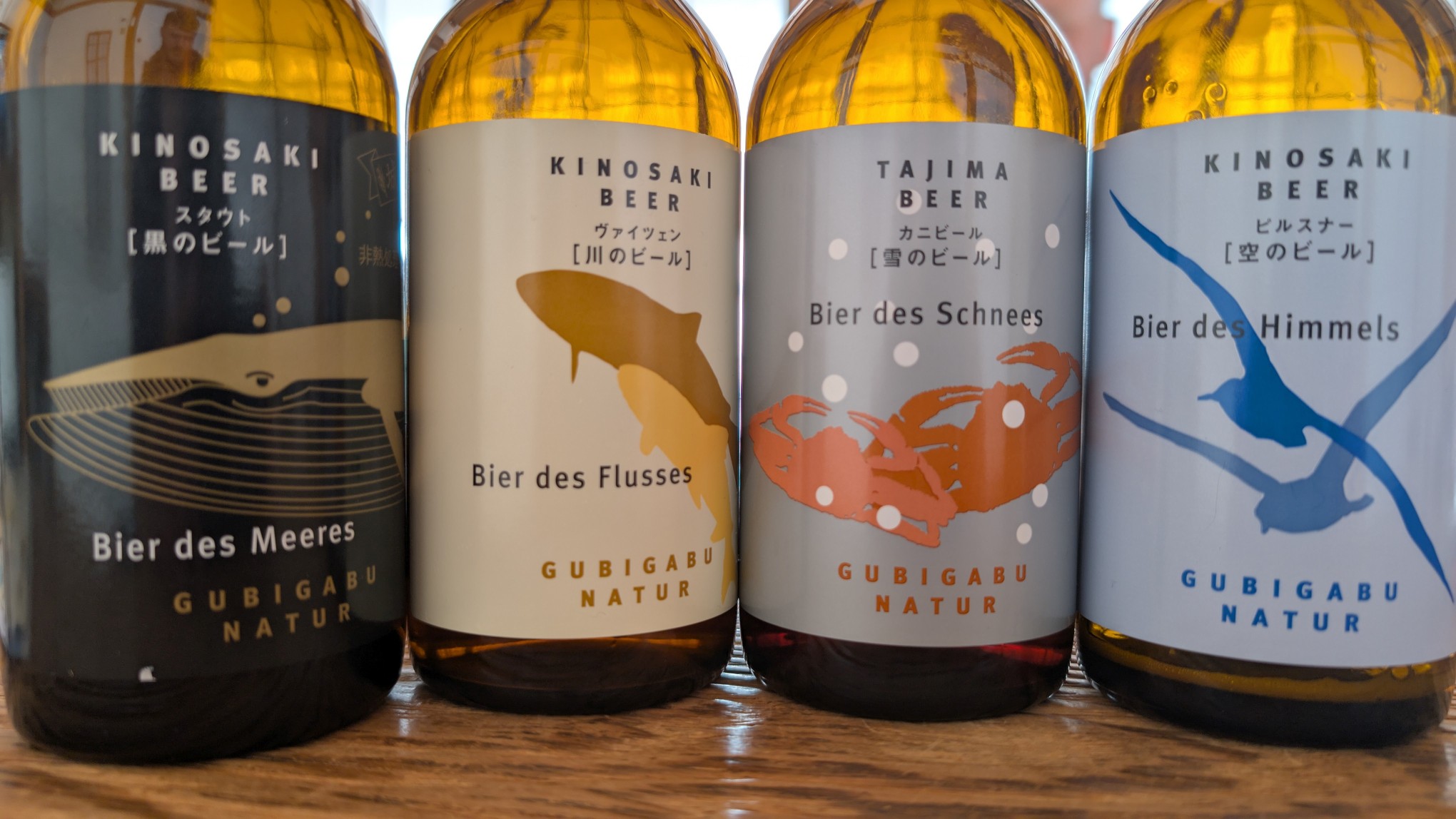
After some time, we decided to go out, take a foot bath and book a massage. There are several outdoor foot baths in town that can be accessed without entering any of the public onsen establishments. As it happens, there is one right at the train station. The water was really hot, which felt unusual as the ponds I’m used to are normally cool, even in the summer. After the foot bath, we headed to the nearby tourist information center to find out where the local massage place was.
After booking a spot for the next day, we headed back to our hotel to meet the rest of the group. The plan for the evening was to visit two other onsen, one of which was hotter than the others and the other of which had two bathing tubs. After the bath, we went into town for lunch. This time, we went to a place that served grilled meat on sticks. We had a delicious meal of meat sticks and rice served with a raw egg.
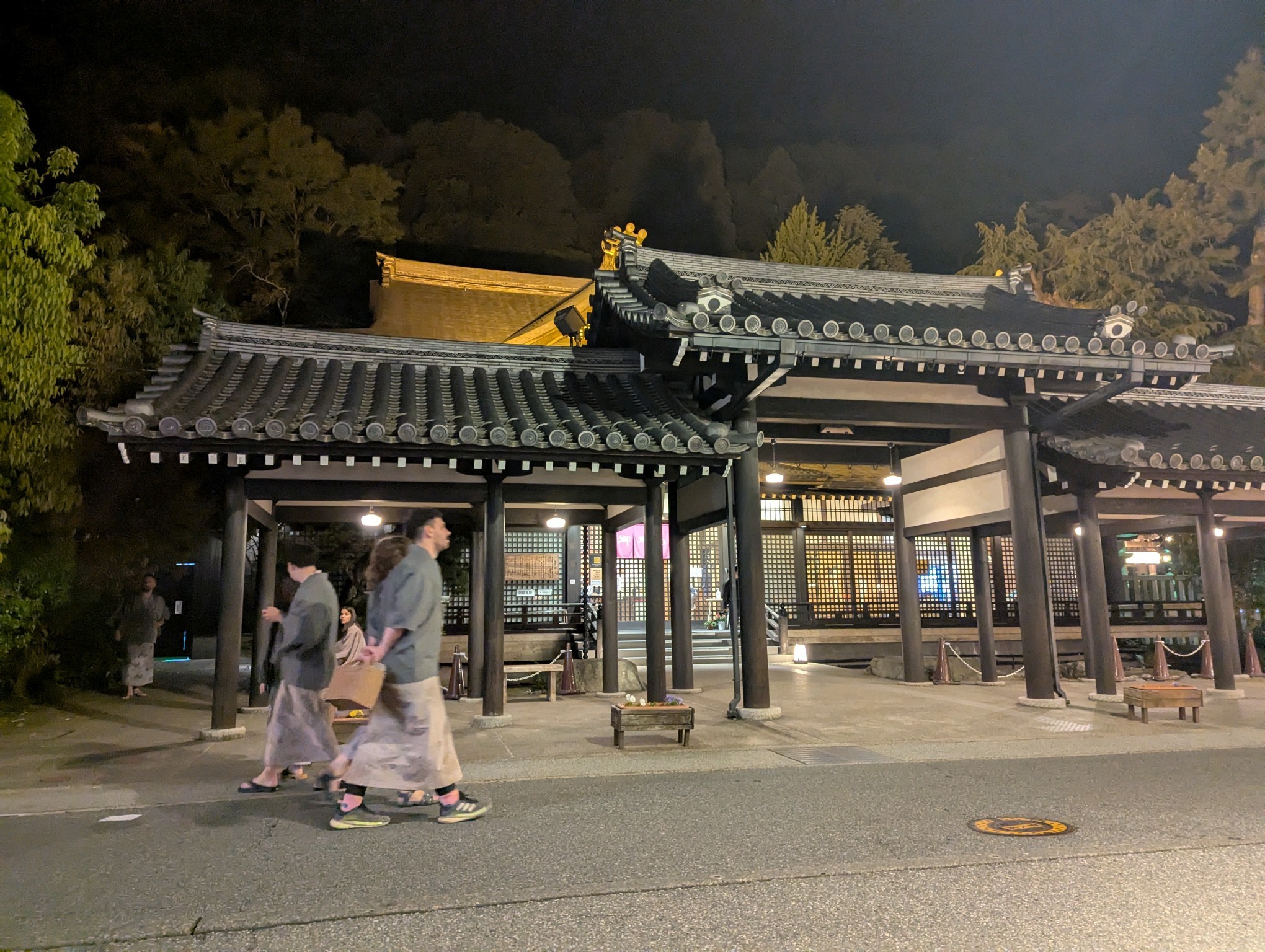
As we ate our meal, we discussed the different onsen and noticed that the one I had visited in the morning was closed the next day. So, we spontaneously decided to visit a third onsen. At night, the garden is lit and provides a beautiful setting. This rounded out our evening bathing session.
Kinosaki Bicycle Day
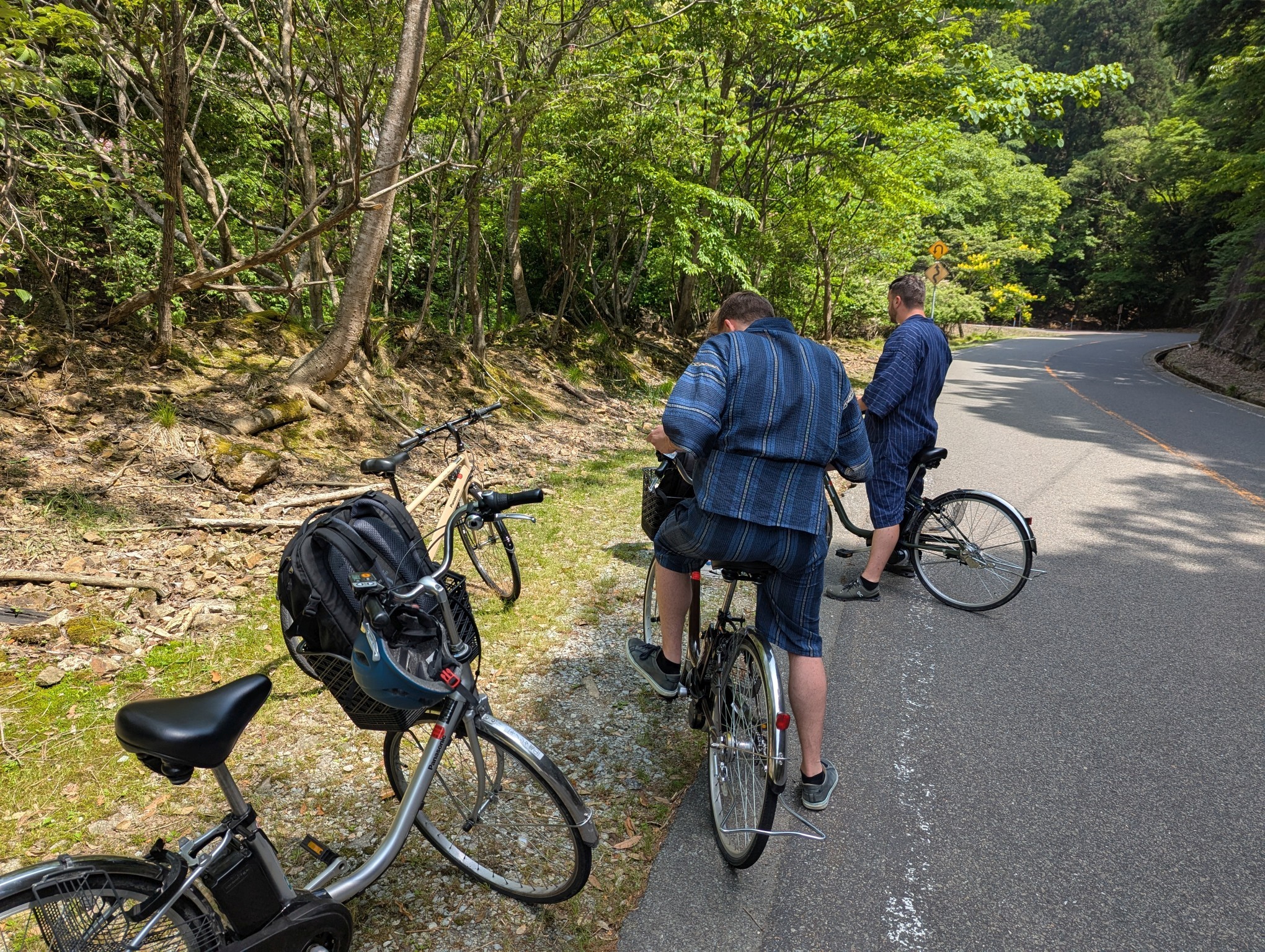
Today, we reserved some bicycles to check two items off our shared to-do list. First, we wanted to ride bikes for a while in Japan. Second, we wanted to reach the ocean and walk along the coast. In Kinosaki, we accomplished what we could not do in Onomichi. We rode bikes.
The route to the ocean led through the forest and up a small mountain road. Fortunately, there was not much traffic and since we had booked bicycles with electric support, the incline was not an issue. After reaching the highest point of the route, we passed through a tunnel carved into the mountains. It was refreshing after facing all the Asian heat so far.
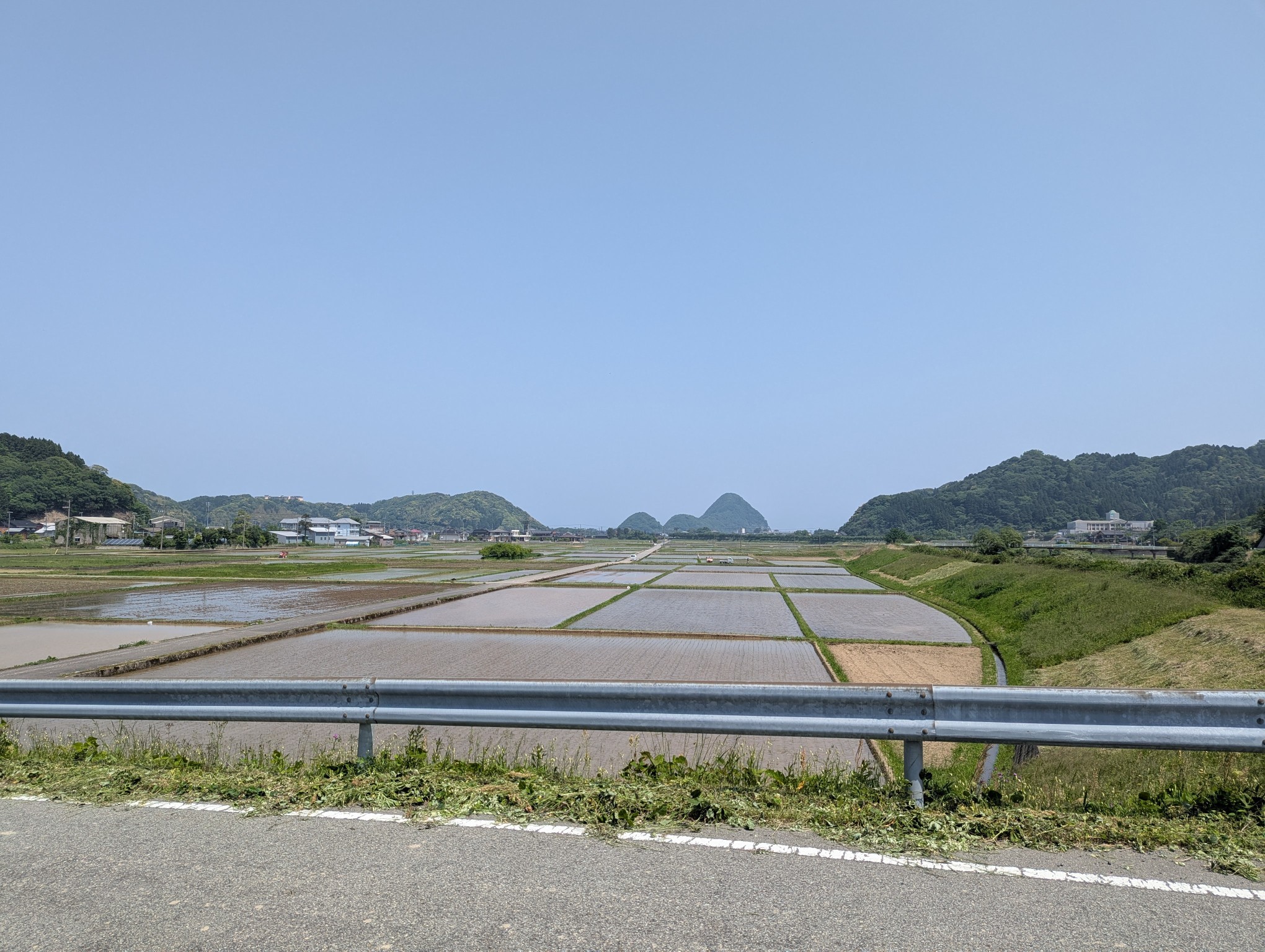
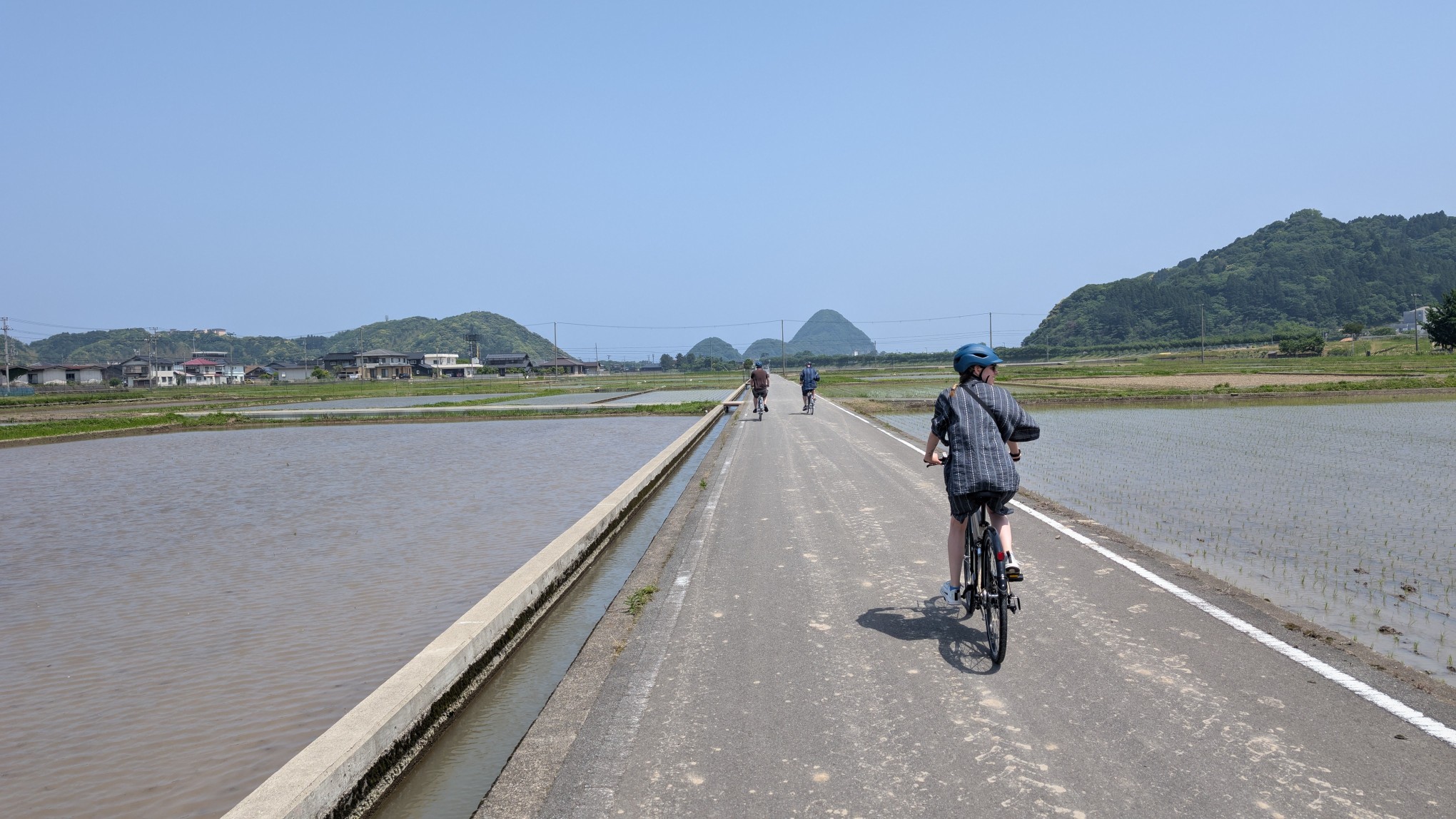
As we came down the mountain, the valley opened up to reveal rice fields and a river flowing into the ocean. After some contemplation, we decided to deviate from our planned route and take a shortcut through the rice fields because the road was paved and had less traffic.
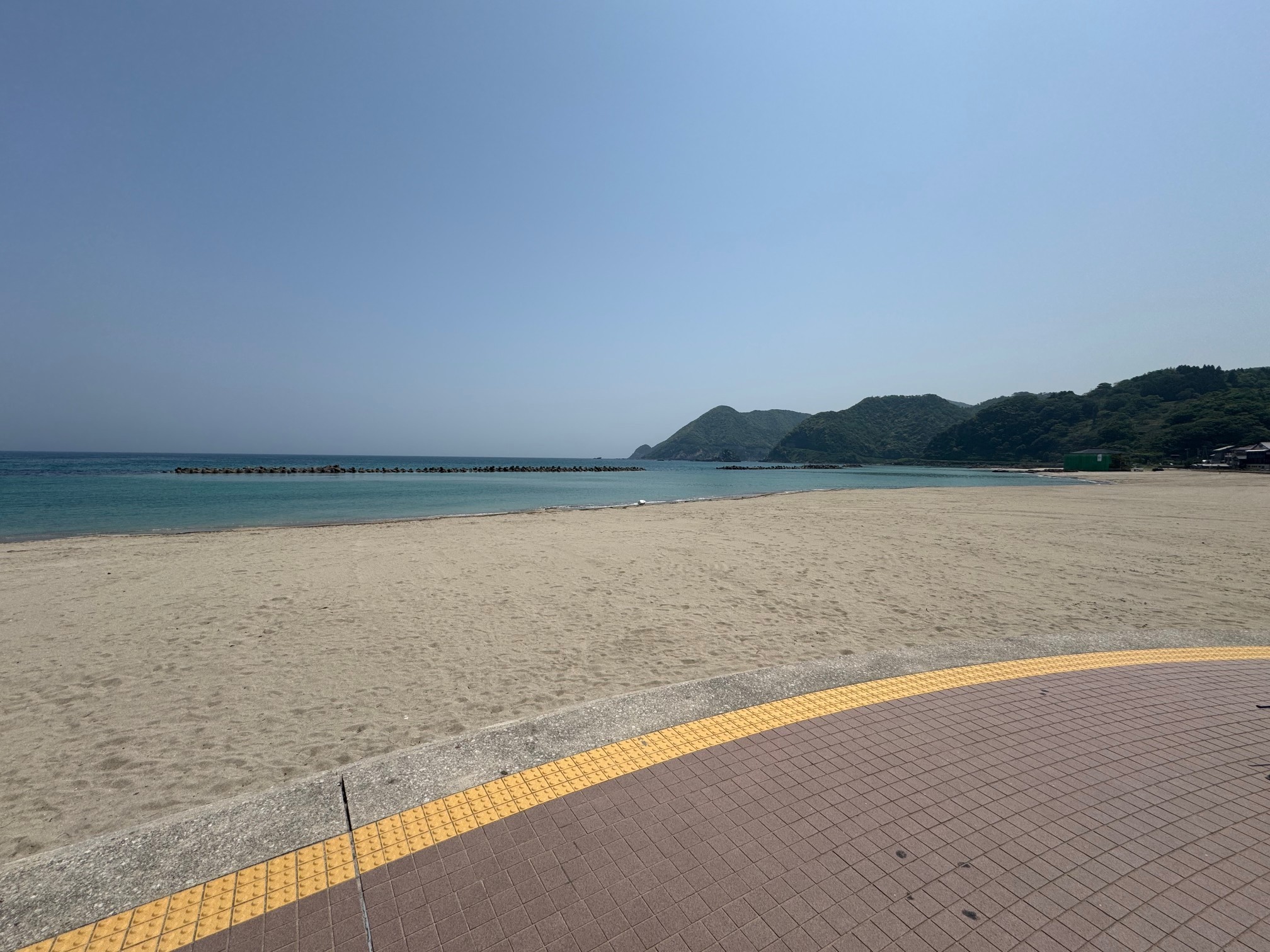
The beach was part of a small town that we had to pass through first. Since we were traveling out of season, the town was mostly abandoned and the beach was almost empty. We parked our bikes, took off our shoes and walked to the ocean. My cousin went into the water, but I was fine just wetting my toes.
Once we had cooled off, we went back to our bikes and rode along the beach path. We spotted some fishermen working on a large net, a class of students receiving a lecture about the ocean and an excavator driver who appeared to be busy shifting sand around on the beach. Comb the desert. Strangely, despite the sunny day, there was nothing else going on at the beach or in town. It must be out of season.
On the way back into the coastal town, my cousin looked for a regional postcard for his scrapbook. Then, we went back the way we came. This time, we took a different route toward the mountain passage, as it looked more promising and we wanted to see something new.
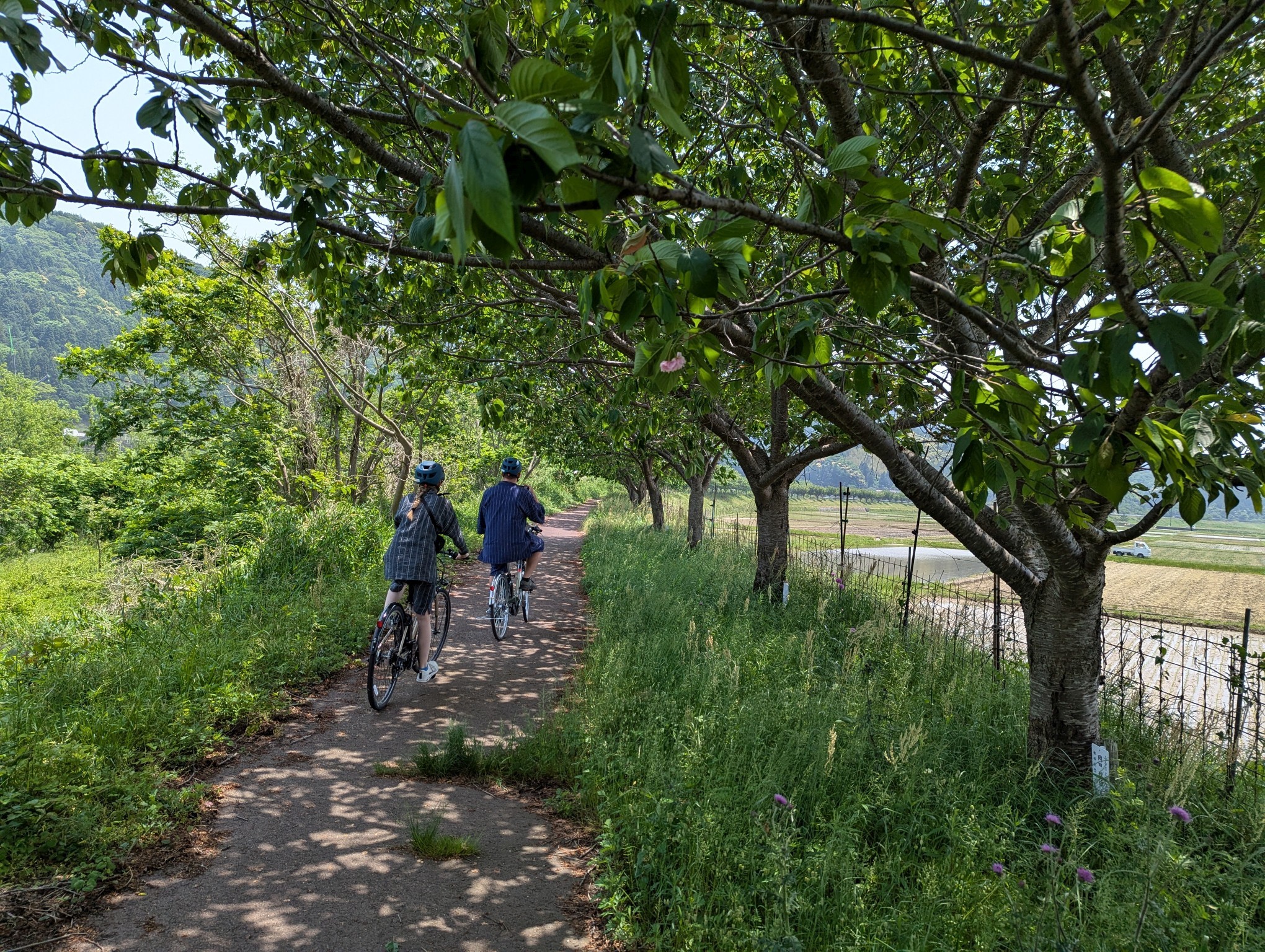
The ride was about eight kilometers one way and took us about 50 minutes, with a few stops along the way.
After we returned or vehicles it was time for dinner. Me and my friend wanted to try out soba noodles served cold. The place was just around the corner and was recommended by my cousin who had dined there the previous day.
This restaurant serves soba noodles cold with a pot of dashi (fish stock) in a jug. First, you pour some dashi into the pot, then dip the noodles into the broth. Then, the noodles can be eaten or rather, slurped. This process is repeated until all the noodles are gone. The broth can be enhanced with wasabi, spring onions, white sesame seeds, some grated white yam and a raw egg. This meal was great because it cooled us down on that hot day.
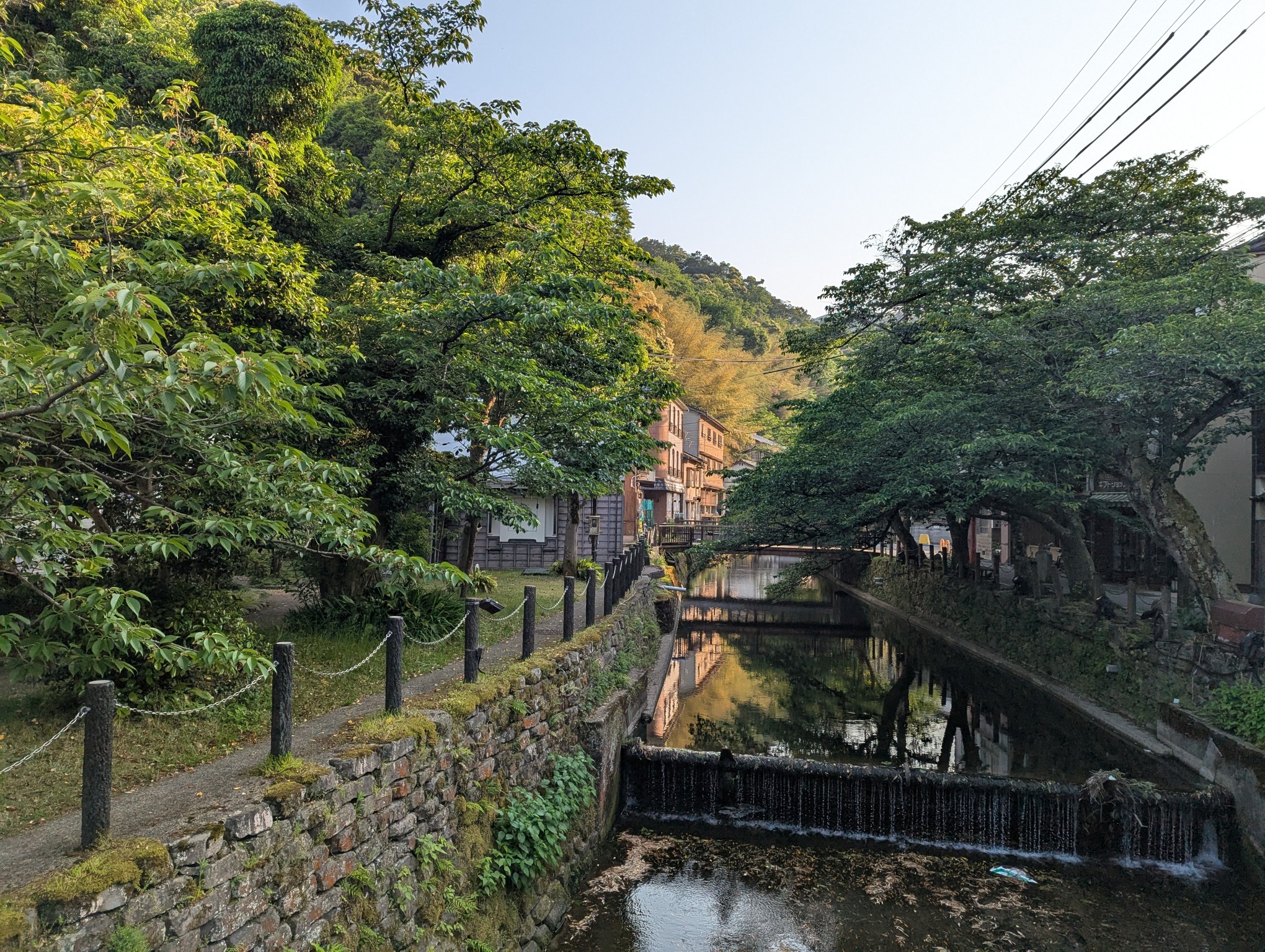
After finishing the noodle dish, we headed back to the hotel to prepare for the massage. First, we packed everything we needed for the onsen bath, which would help ease our muscles and prepare us for the massage session. To do so, we selected the hottest onsen, which we had not yet visited. It had a similar setup to the others, but inside there was only a small pool of hot water. Naturally, we only lasted a couple of minutes in the water, but it was still an interesting experience.
We then went to the massage place. For me, this was my first experience and it was not what I would have imagined. I thought the massage would be performed with exposed skin, but here we were all wrapped up in blankets and the massage happened below the sheet. Overall, it was a great experience, though not something I would do every week. However, I could see myself doing such sessions once in a while.
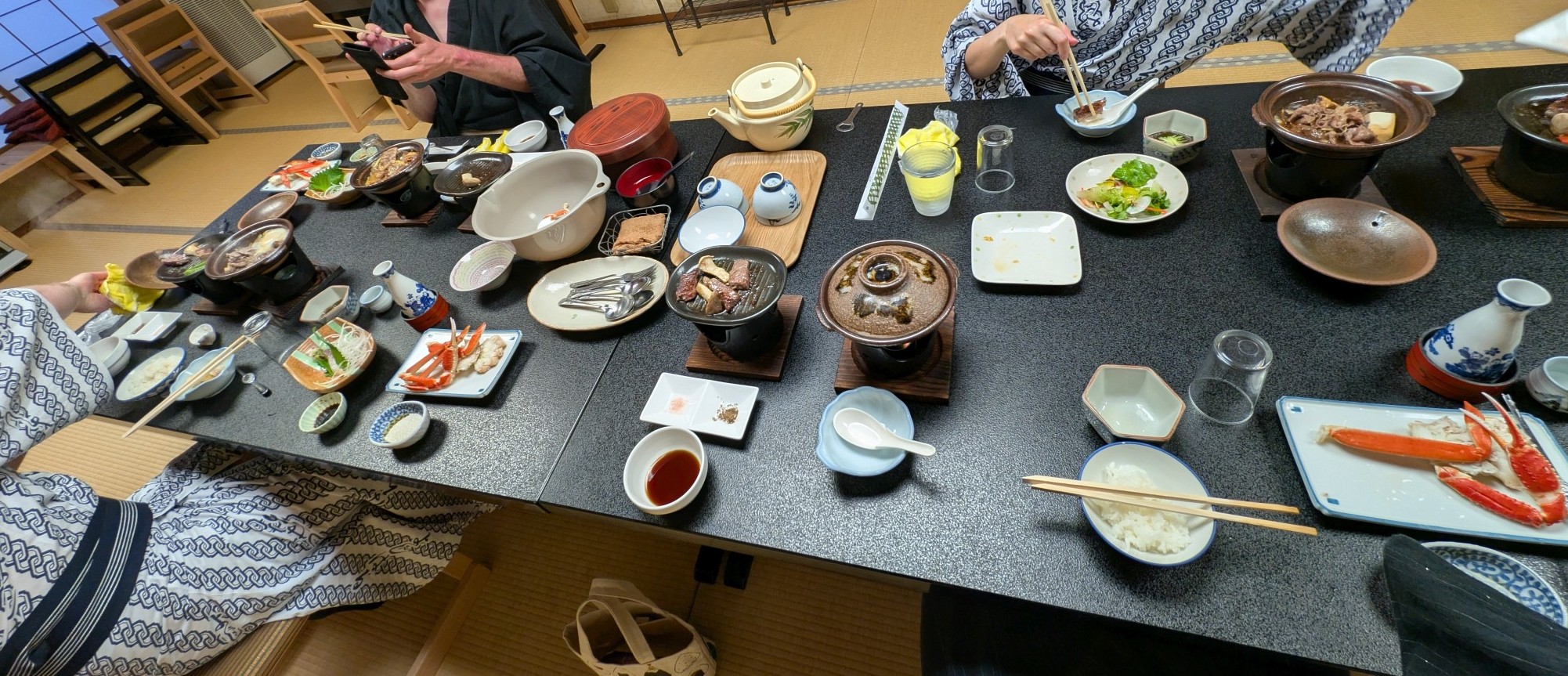
Kneaded thoroughly, we headed back to the ryokan, as today was our last day and the special dinner we had booked the previous day was tonight. Now, the issues mentioned in the translation came back into play. When the meal was served, we noticed the mistake. As a reminder, we ordered three times without fish. We got three times with fish. To avoid embarrassing anyone, we went along with it and still enjoyed the meal. I ate the fish, which was good: salty and with different cuts of various fish. It’s not something I would eat all the time, but it was still a meal I could enjoy. The only thing I skipped that evening was the crab meat.
Besides the fish, there were other small dishes prepared in various cups and bowls, so no one would go to bed hungry that evening. To give you an idea of what was served: Obviously, rice; some nabe stew in a heated bowl; wagyu beef; raw egg; a really delicious miso soup; and soba noodles to soak up the juices. As desert, a sweetened fruit salad with strawberries and pineapple. For this dinner, we wore the yukata provided and were seated in the ryokan’s dining room.
After dinner, we went out front to take some pictures to commemorate the evening. We even got the staff to join us for a photo.
Travel day Kinosaka to Otsu
Sadly, this was our last day. For travel, we had already booked a limited express train to Kyoto and arranged for our luggage to be transported back to Tokyo.
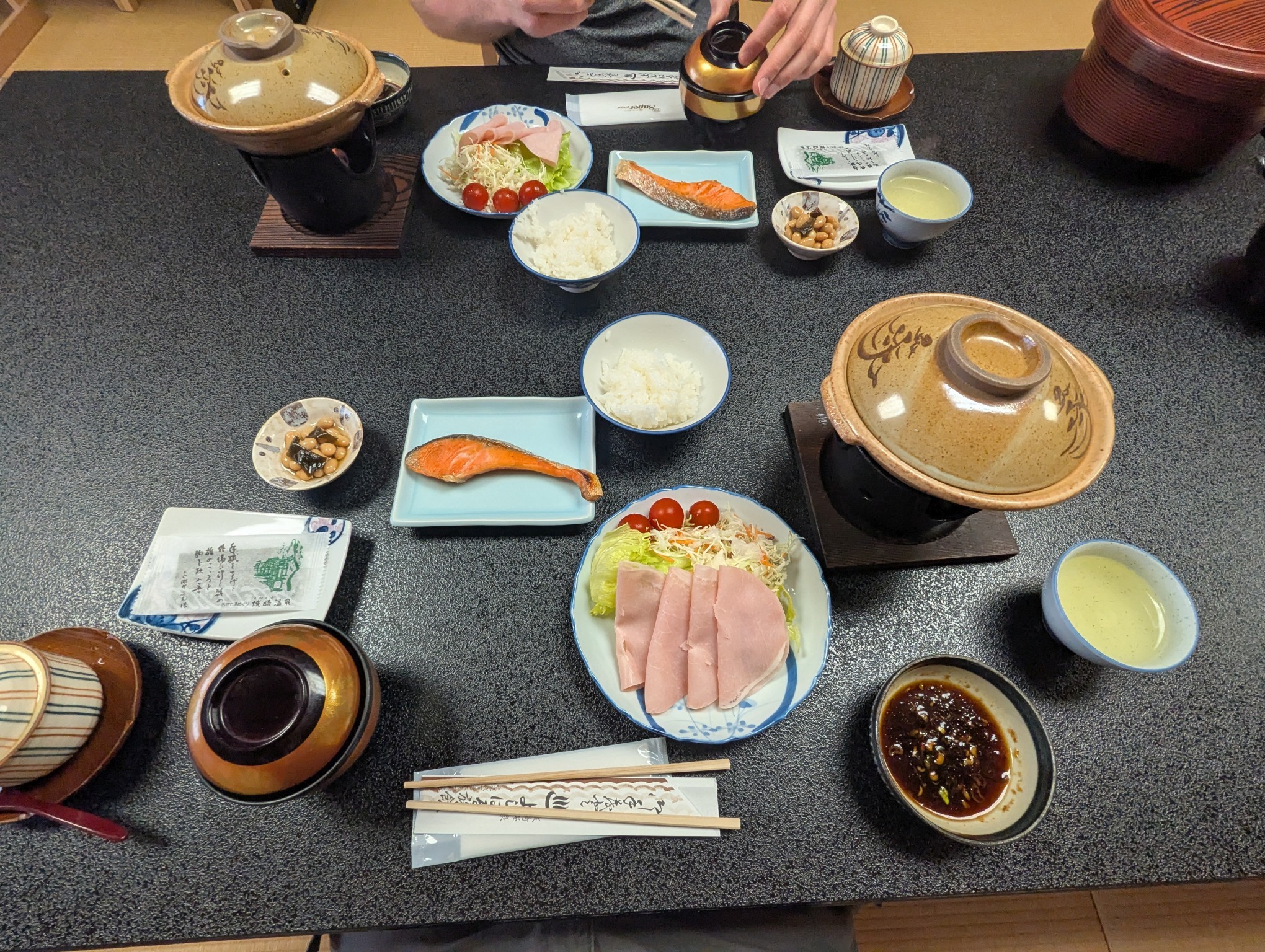
We also booked breakfast at the ryokan. As with dinner, the meal was served in several small bowls and was different from the evening’s selection. On the left was egg custard, next to a small miso soup. In the center was a small salad with tomatoes and ham. On the right was soft tofu that you could dip into two small bowls of sauce. On top was a small bowl of rice next to a piece of fish and sweetened beans. For dessert, a small bowl of pudding was served. Breakfast was plentiful and not too filling. I liked the fish, beans and soup. My companions did not like the tofu’s jelly-like consistency, I slurped it anyway.
After finishing our meal, we said our goodbyes. We brought some sweets from Germany as a way of showing our gratitude and the staff was pleasantly surprised to receive them. Then, we went to the shipping company in town and shipped our luggage. Our plan was to skip traveling with our big luggage to our next stop in Otsu and travel light. The Tokyo hotel accepted our luggage and stored it until we arrived.
Once the luggage was sorted, it was time to head to the train station and wait for our train to depart.
Pingback: Part 6 with Tokyo