
I was asked how I plan to share my travel experiences and whether I would post on my blog. So why not?
Here is a summary of our trip to Japan. I started writing a draft while traveling to collect my thoughts and organize my experiences, but I quickly realized that I wouldn’t have the time or energy to publish while traveling. I’m currently reviewing these notes on my flight back to Germany, and I’ll add pictures and get someone to proofread once I’m back home. I will split the trip into the regions where we stayed, so you can expect six posts in total. The first will cover our first days in Tokyo. But first:
Getting there
We took the Deutsche Bahn from Stuttgart in the early afternoon. To be honest, I was more worried about issues with the train schedule than with our flight. Would we arrive at the airport on time, and would everything go well? However, since we chose a direct train starting in Stuttgart, there were no delays, and we arrived on time.
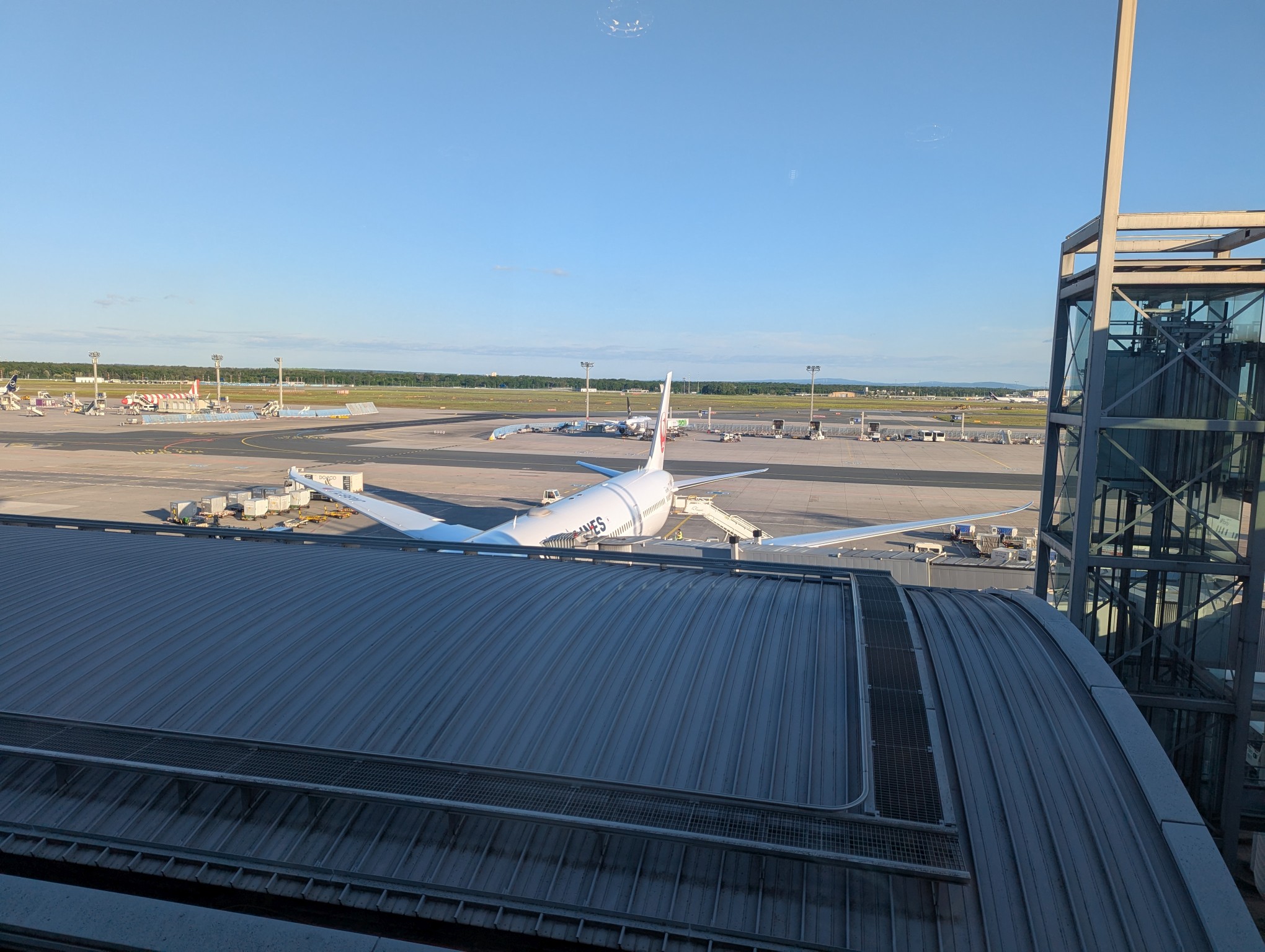
We had three hours at the airport before the plane took off. This gave us enough time to reach Terminal 2, check in, and pass through security. Overall, the entire process was painless since we traveled on a Tuesday with fewer activities at the airport. The only downside was that the shop behind the security checkpoint was not open yet, so we were unable to quench our thirst.
While we were waiting, we took the time to make some final preparations, such as selecting an e-SIM card for the mobile network. Using the e-SIM is, in theory, hassle-free, but we somehow failed one automated step and had to configure network access manually at our first hotel.
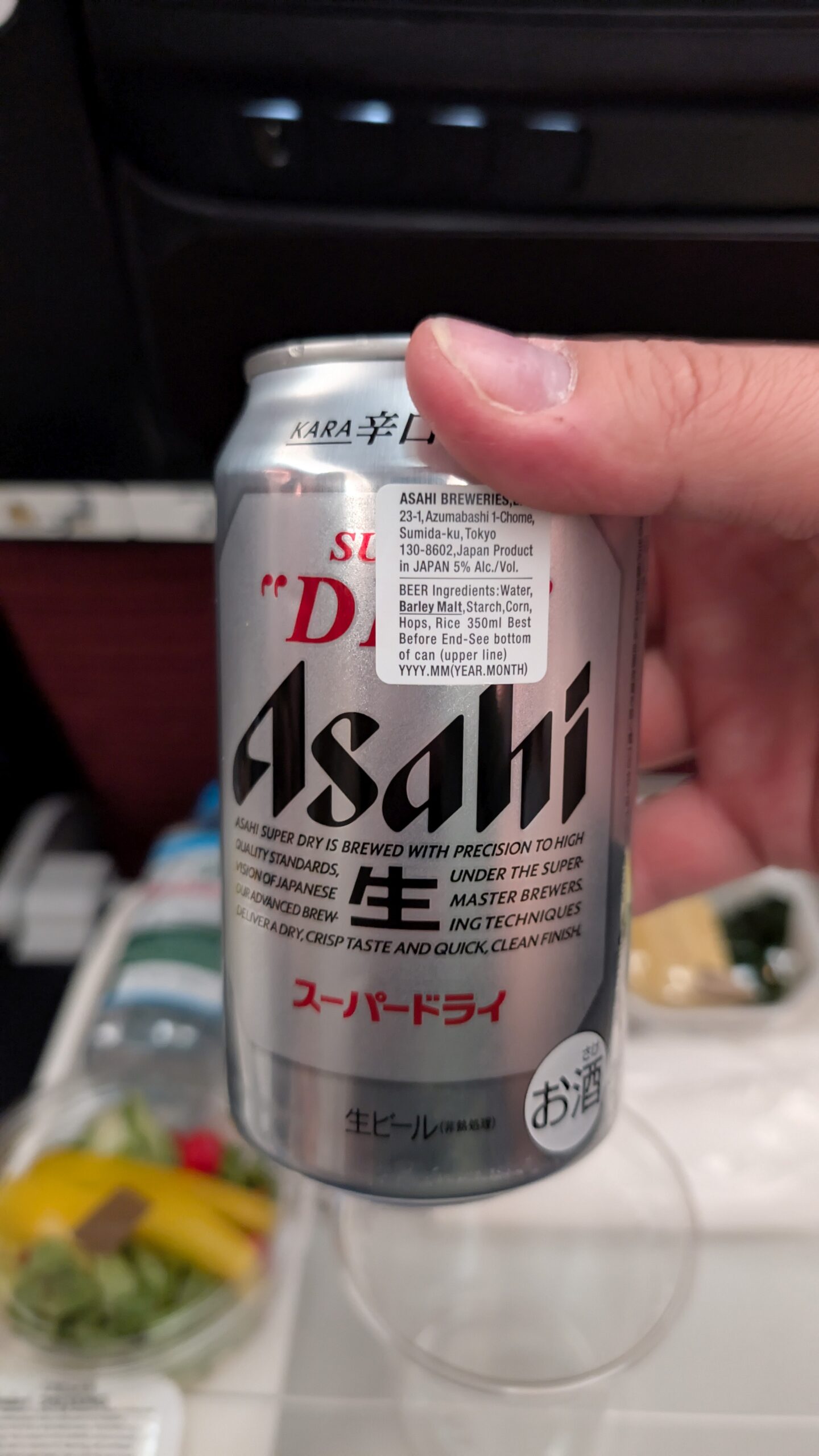
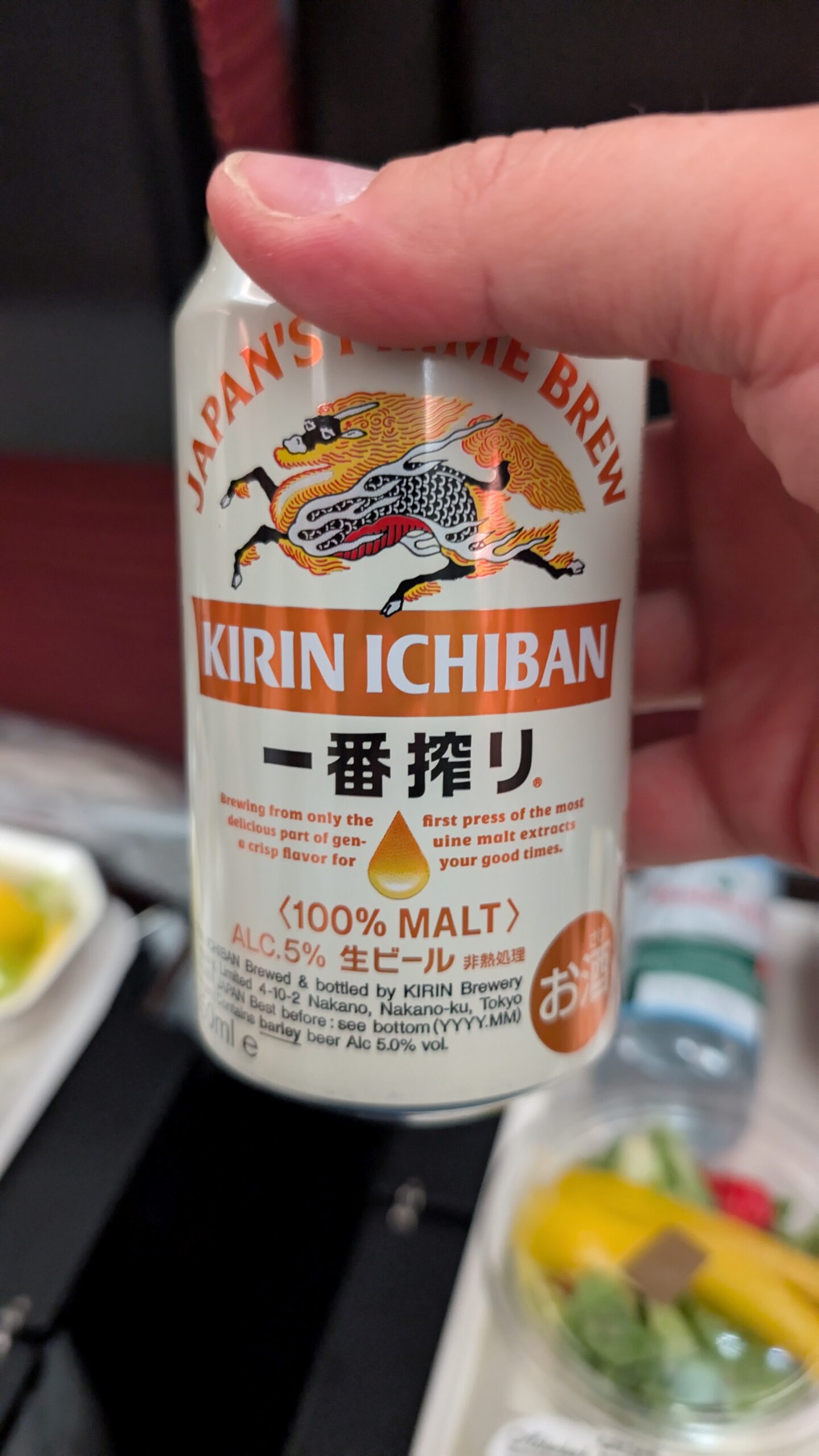
The flight itself was good, but long. It took us 13 hours to fly directly from Frankfurt to Narita Airport. After receiving the dinner menu, it was time for a nap because our flight went against the time zones, so we were landing on a different day. The sleep was short and interrupted by me waking up.
Landing, sleep-deprived, the next few hours went by in a flash. The first step was to enter the country. Before entering, we filled out the customs form on the plane. Since there is a visa on arrival, getting in just required waiting for a while. Luckily, we spotted the „Drop your fruits here“ bin before we got in line; otherwise, we would have risked a fine. Raw vegetables are not allowed at the border, and I had brought some apples with me from my apartment.
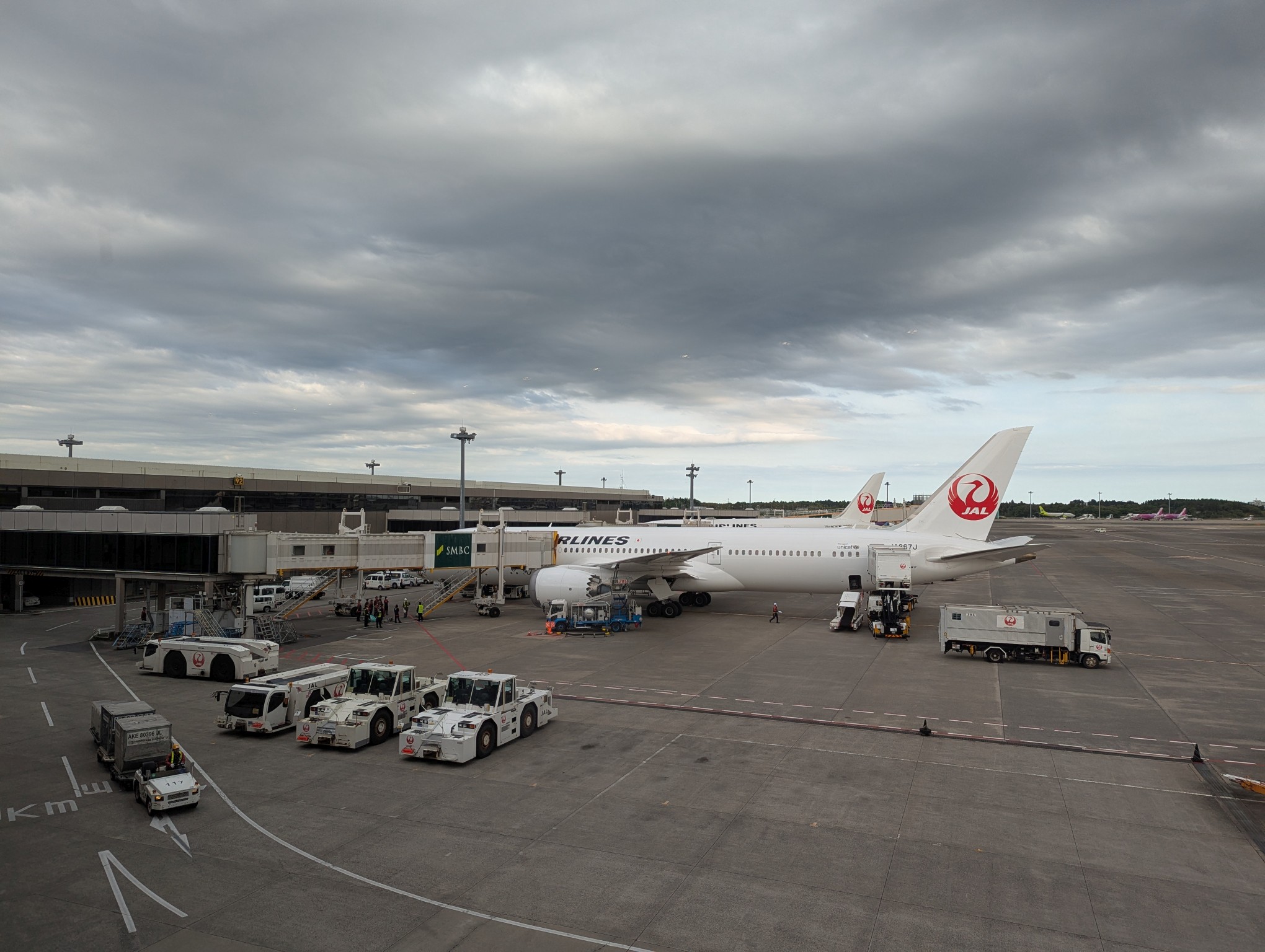
Once we completed the entry procedure, we collected our luggage and passed through customs. This process was luckily faster than the entry queue.
While waiting, I tried to set up my mobile plan, but, as I mentioned earlier, I was unable to do so. I was frustrated by the process, especially in my sleep-deprived state.
Regardless, the next task was to purchase an IC card, also known as a „Welcome Suica“ card, for train travel. This card is used to check in and out at train gates and works for buses, local trains, subways, and even regional trains. You can purchase a card at the airport, and it is valid for one month. The only downside is that you can only top up the card with cash, which is always subject to a transaction fee.
Then, we had to decide on the right train to take to get to the hotel. Since things were a bit confusing at first, we had to ask around to find the right platform. Once the train leaves the underground section of the airport and you can see the surrounding area and villages and start to notice the contrasts of this foreign country. The building styles, rice fields, and train crossings are different from what we where used to seeing in Europe. As in Switzerland, the trains run on the left side of the road. This is thanks again to the British Empire.
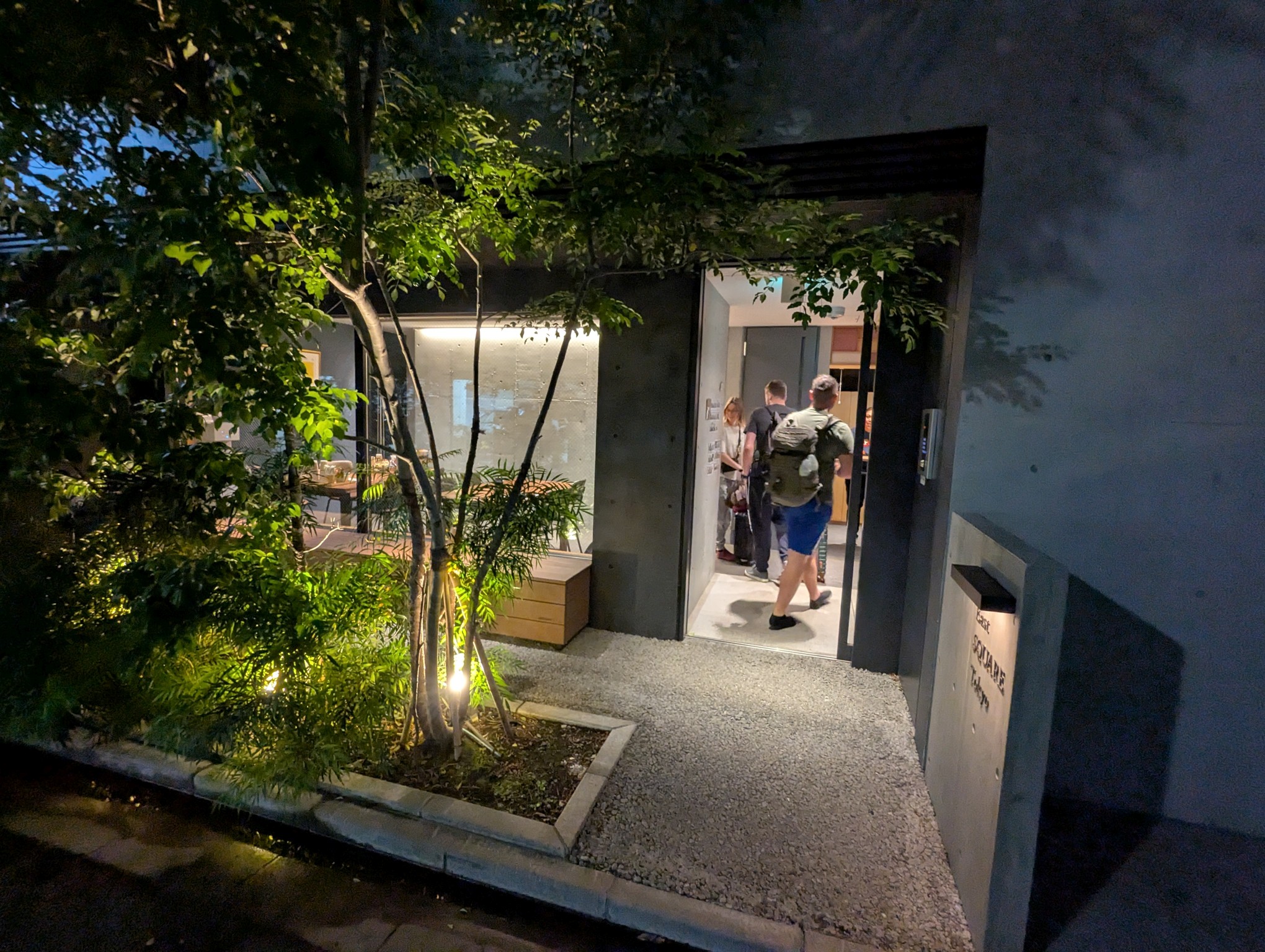
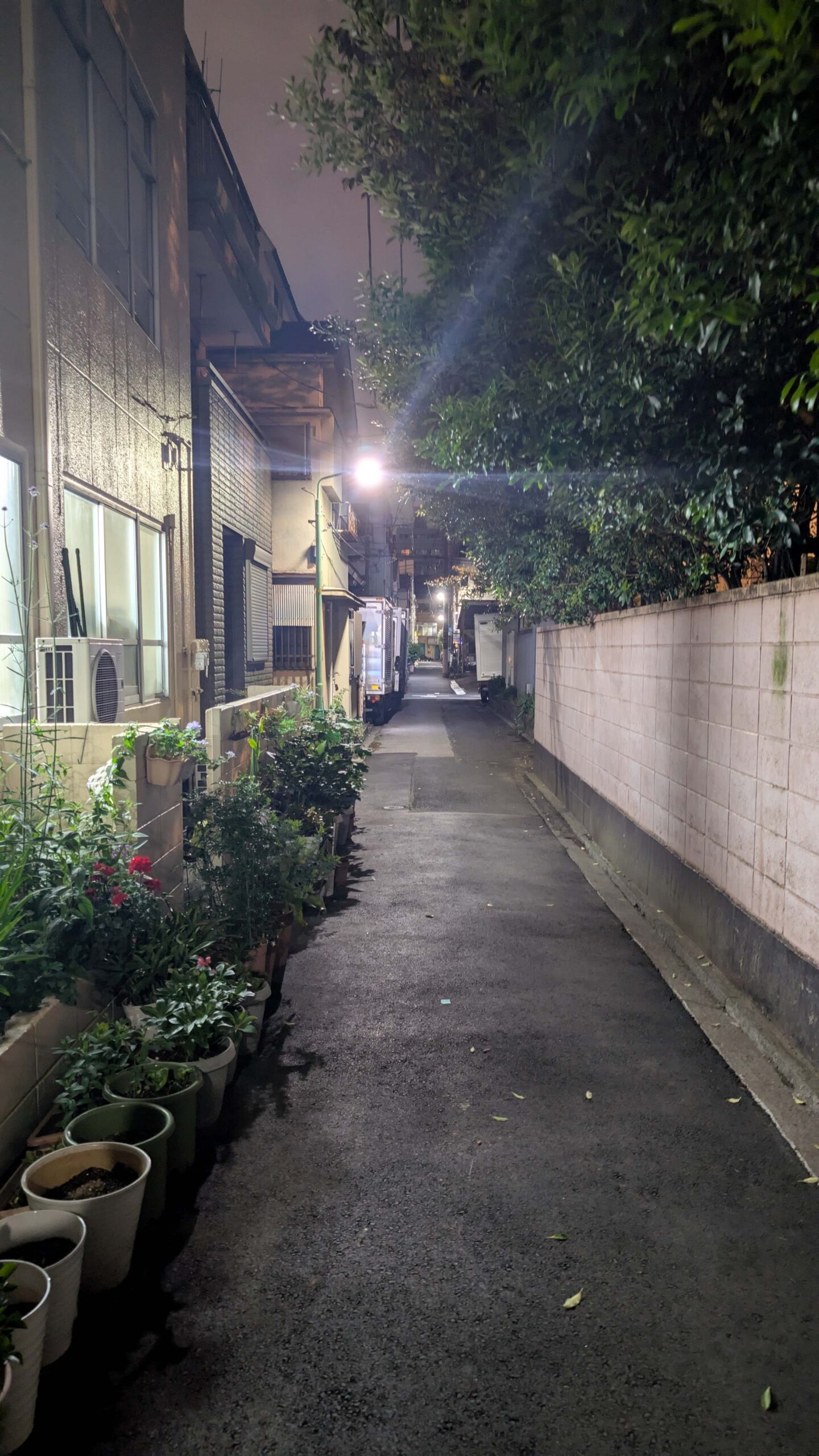
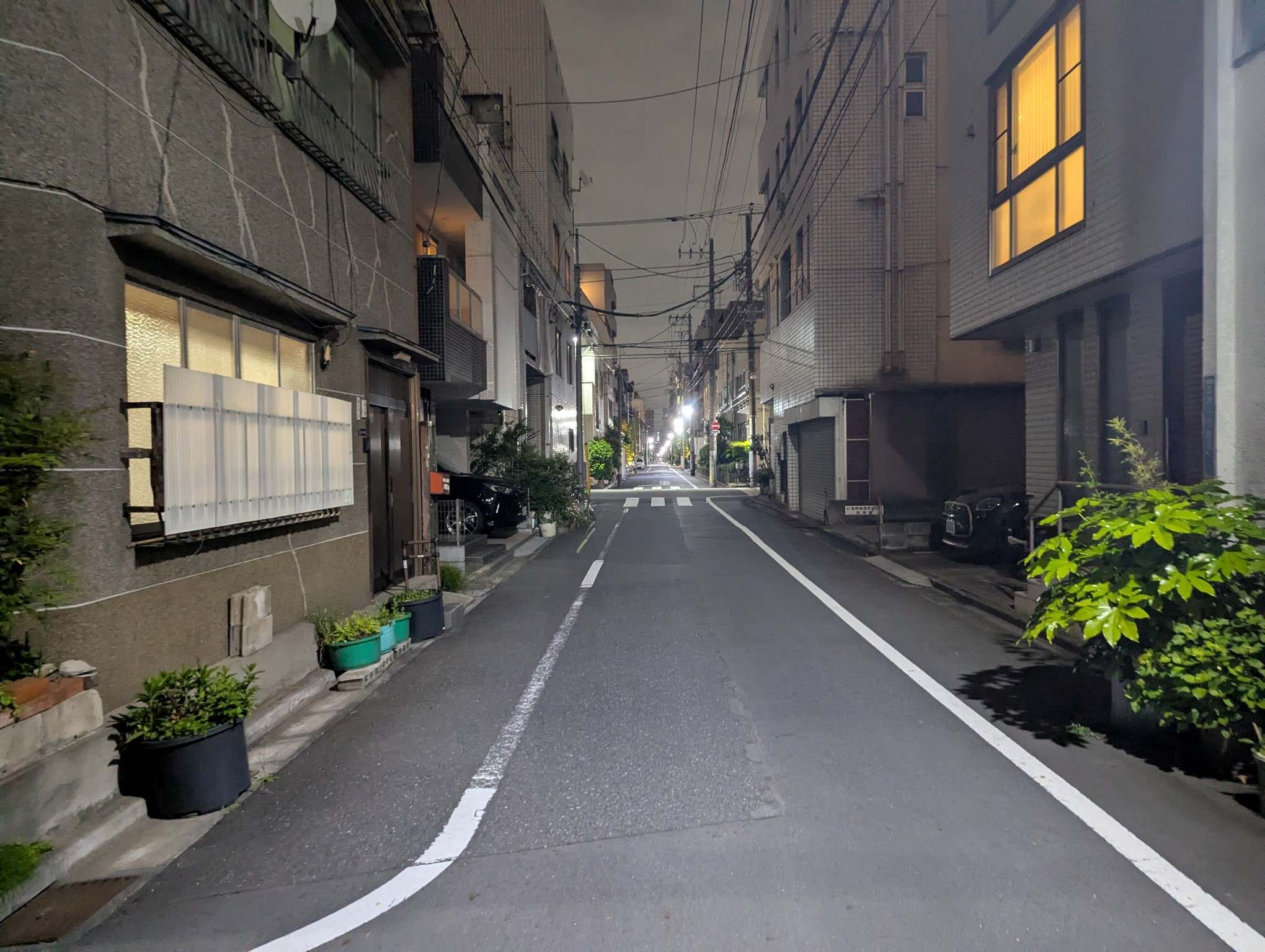
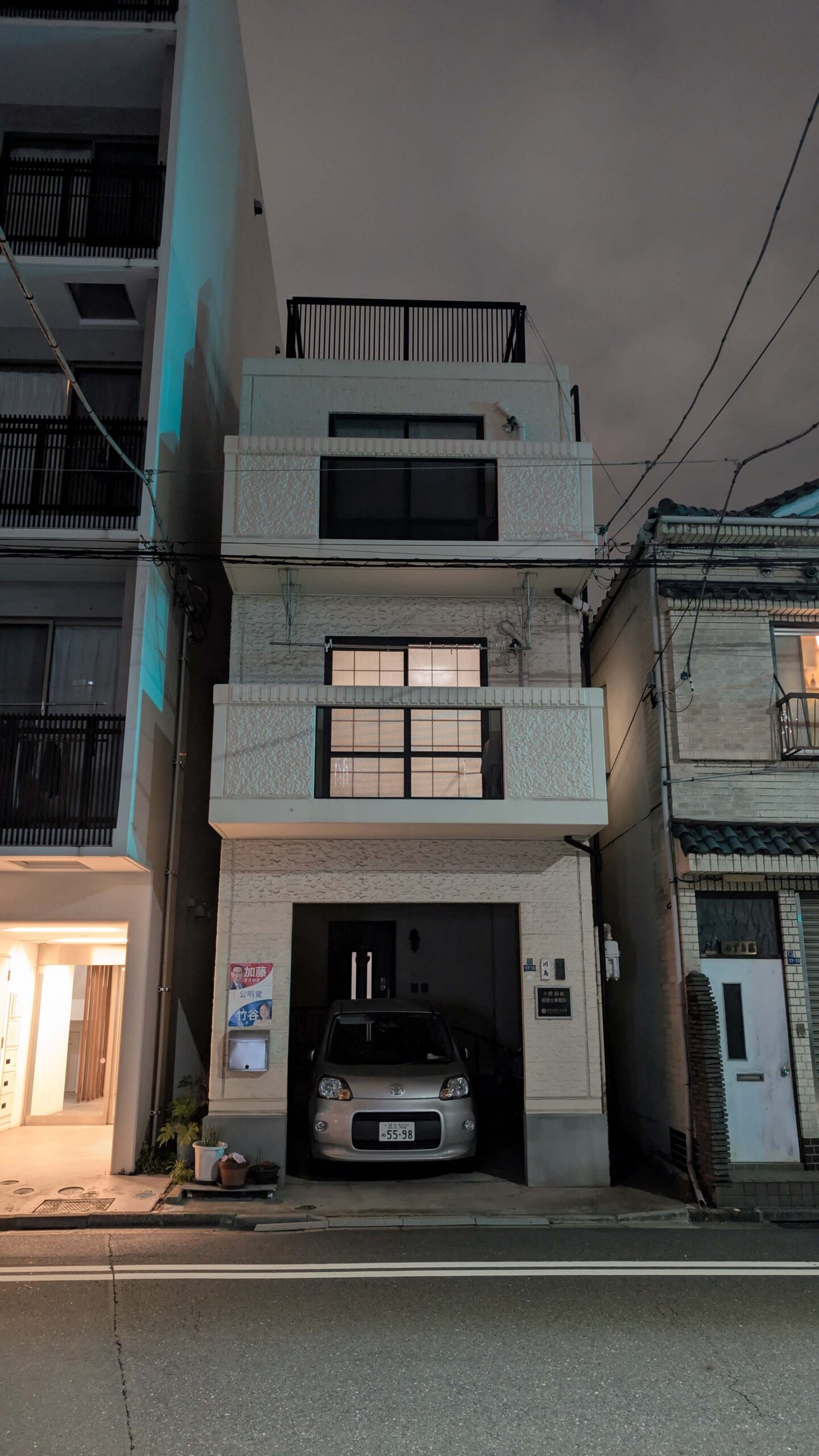
After a long train ride with several line changes, we finally arrived at the hotel. We selected a place next to a station where multiple lines crossed, in a quieter, more residential part of Tokyo. In my opinion, this was an ideal first place to stay.
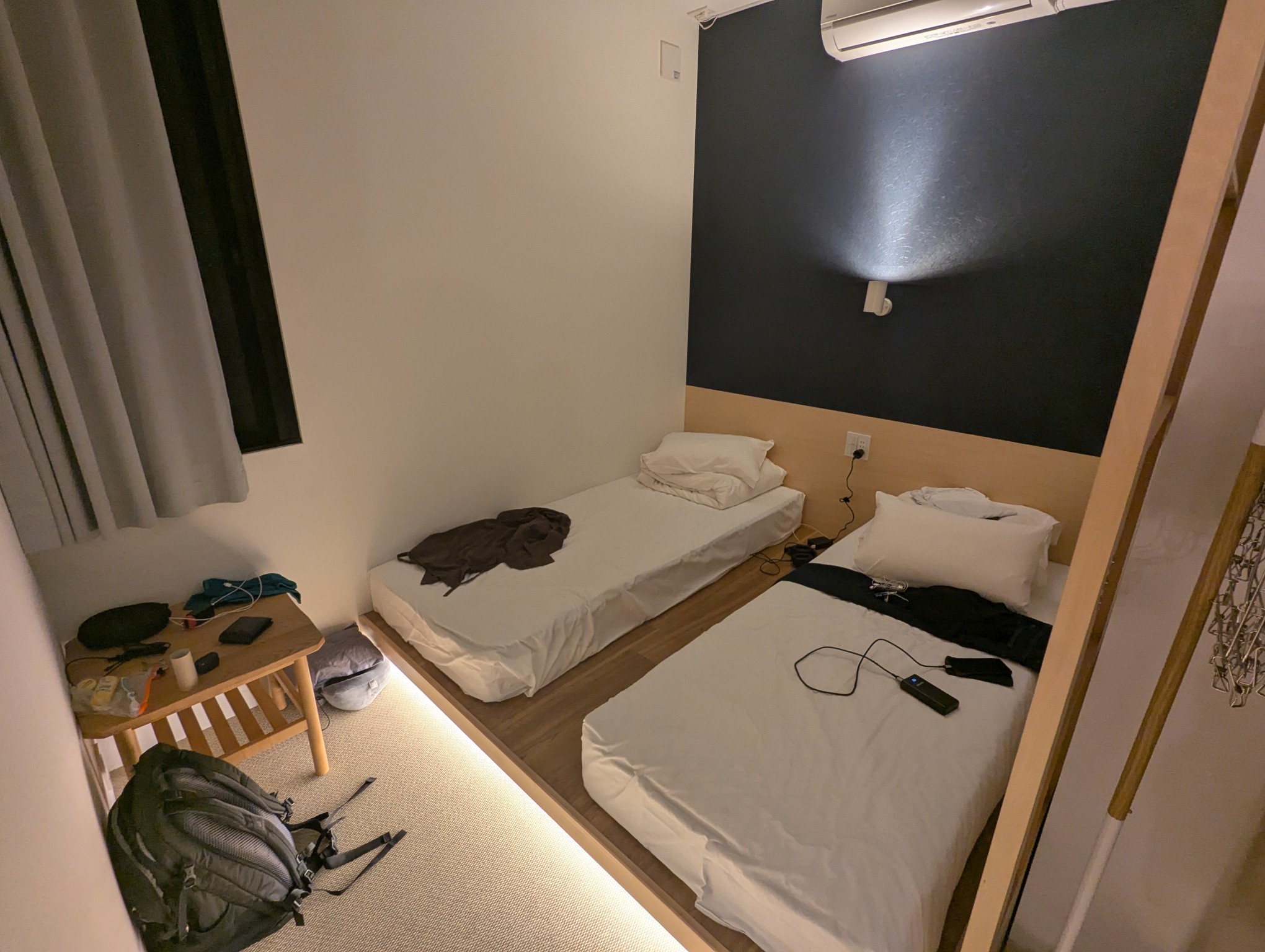
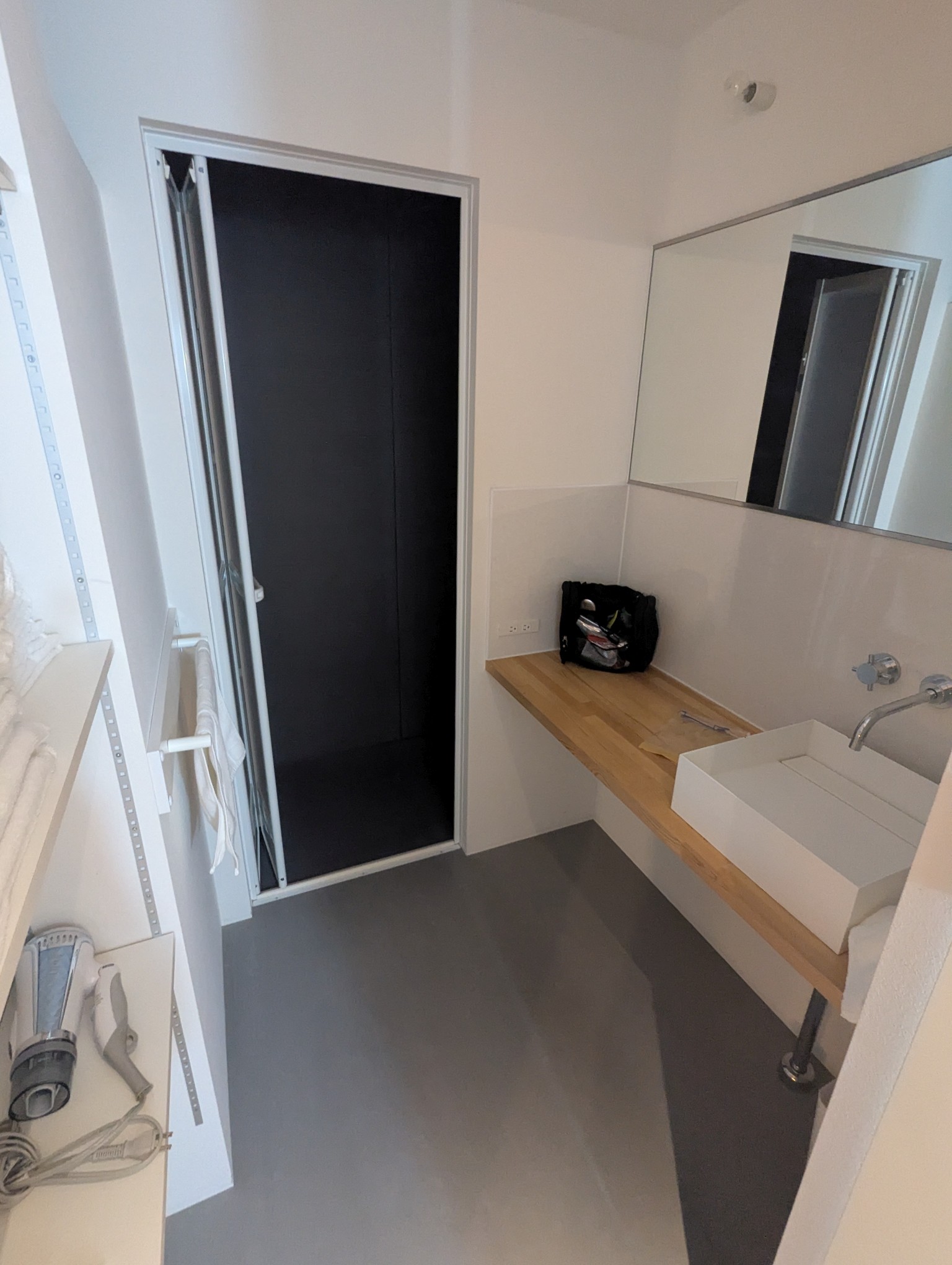
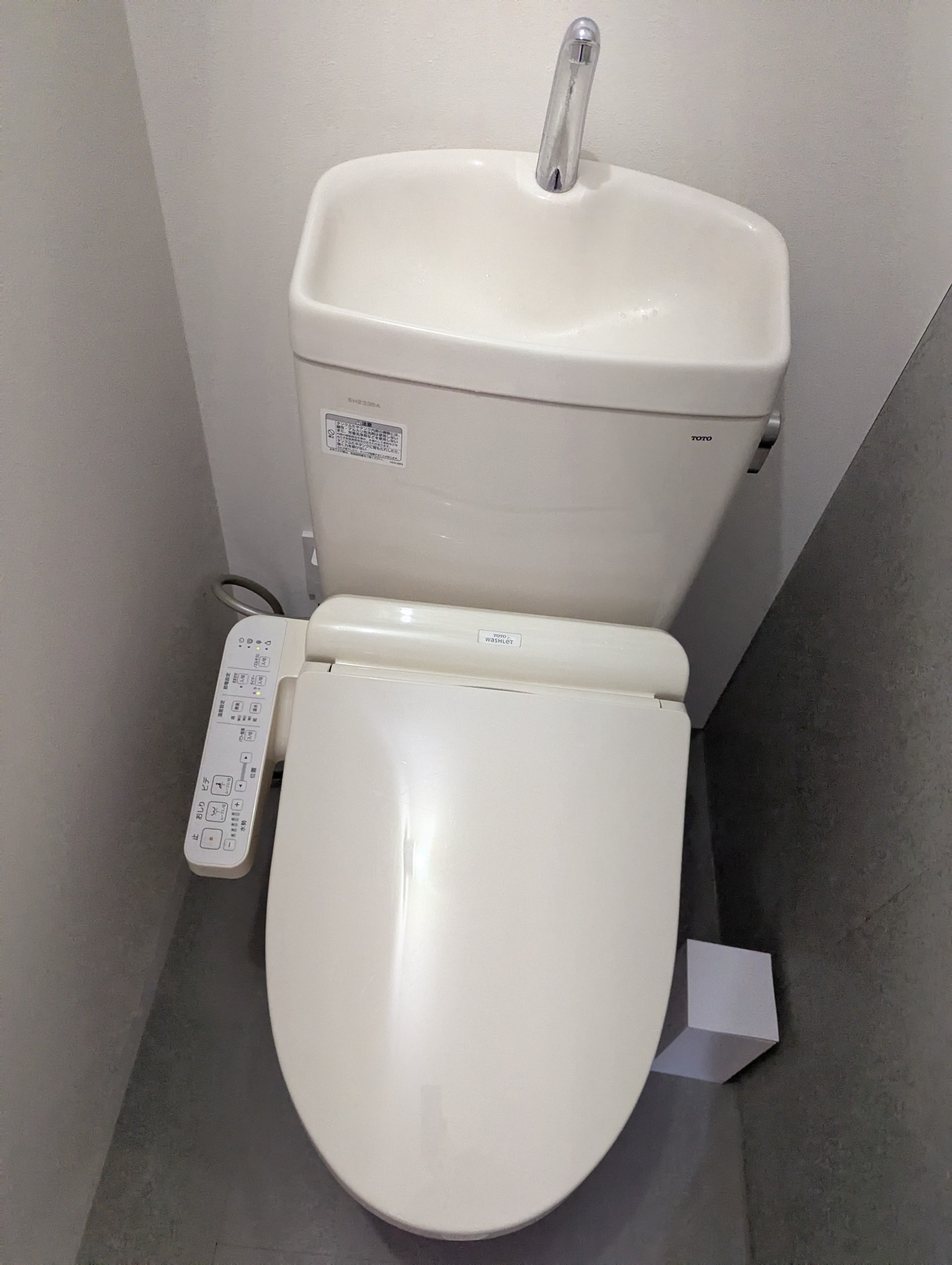
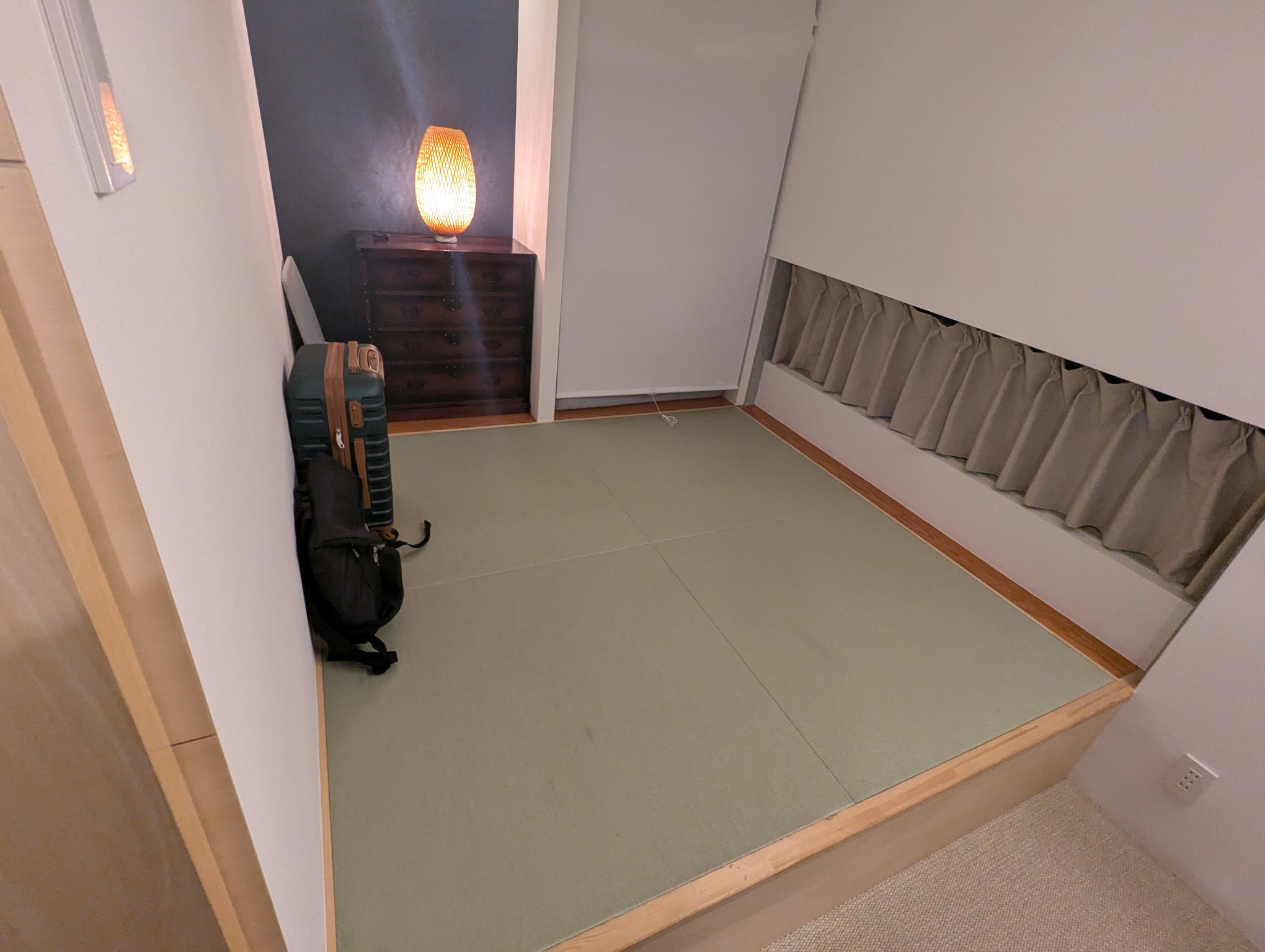
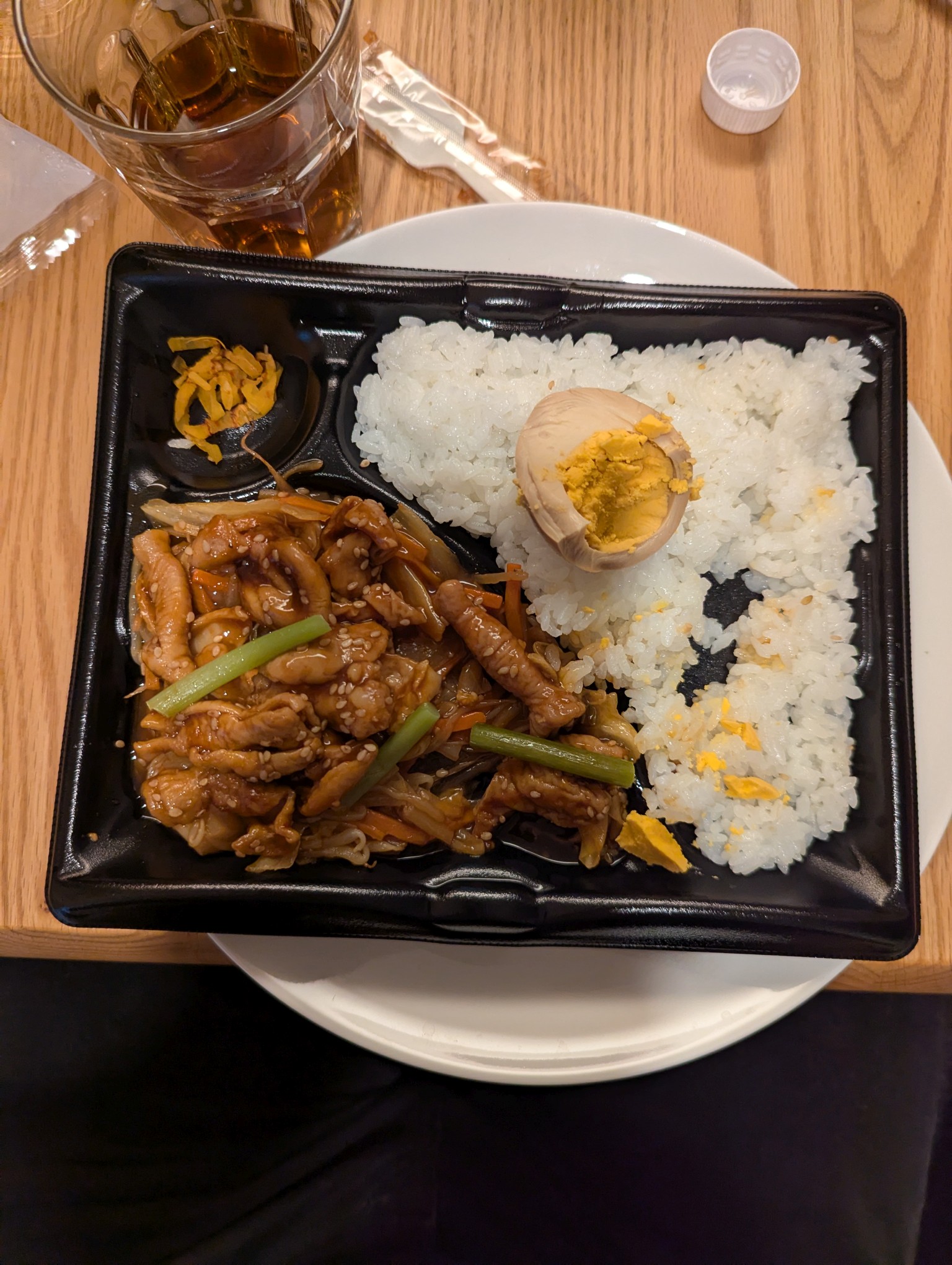
The room we booked was the perfect size for our group and had all the amenities we needed. It had a shower, a modern Japanese bidet toilet, a small balcony, and a kitchen area with a washing machine. For dinner, we went to the nearby convenience store and bought ready-to-eat meals and drinks to end the evening.
First travel day
Still a bit jet-lagged, we took the local train to Akihabara. This is Tokyo’s electronics district, where many electronics stores and arcade halls are located. We soon discovered that most stores, cafés, and restaurants open later. As we arrived, everything was still closed. Still, we took this opportunity to enjoy the area without any crowds.
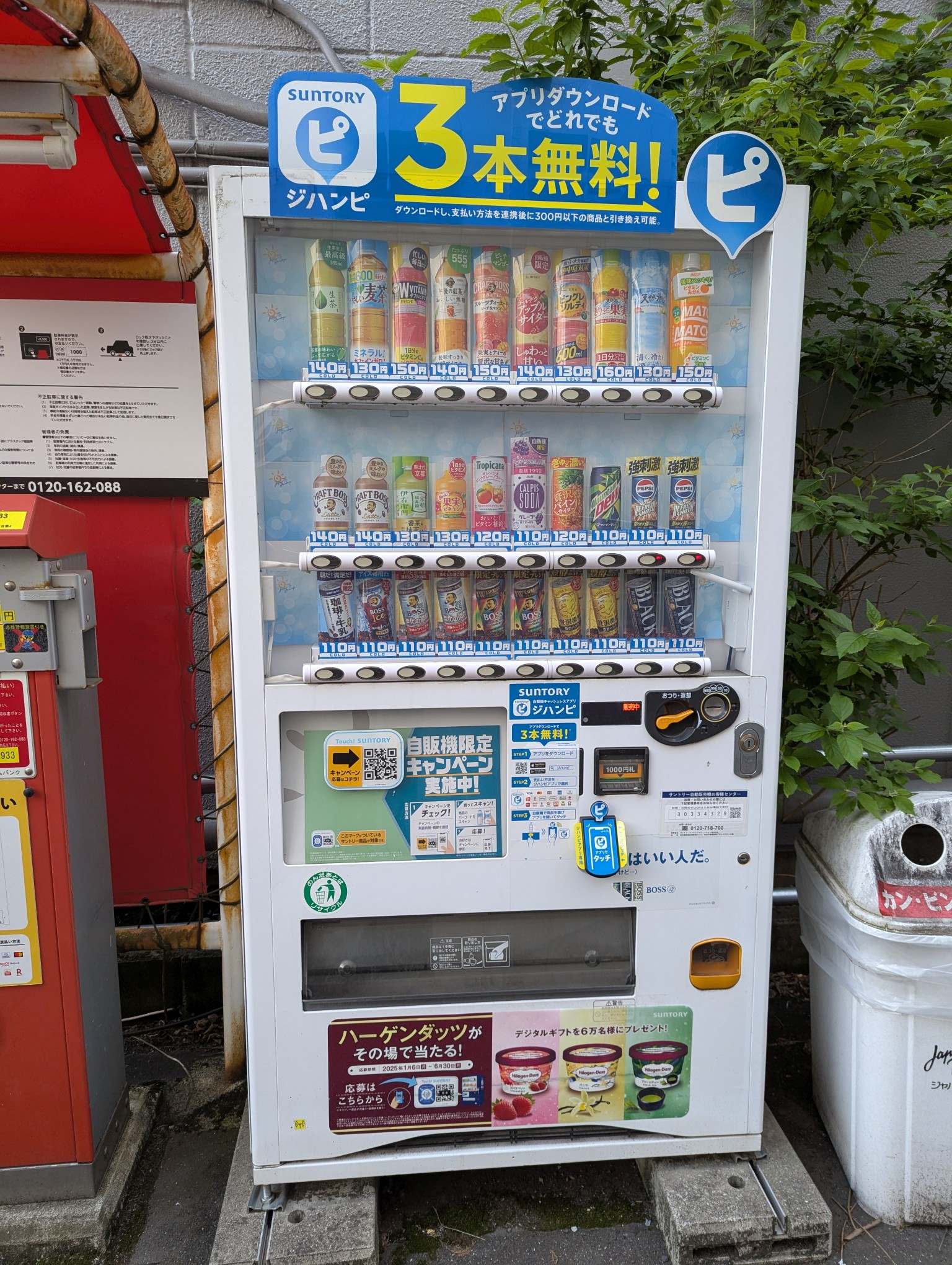
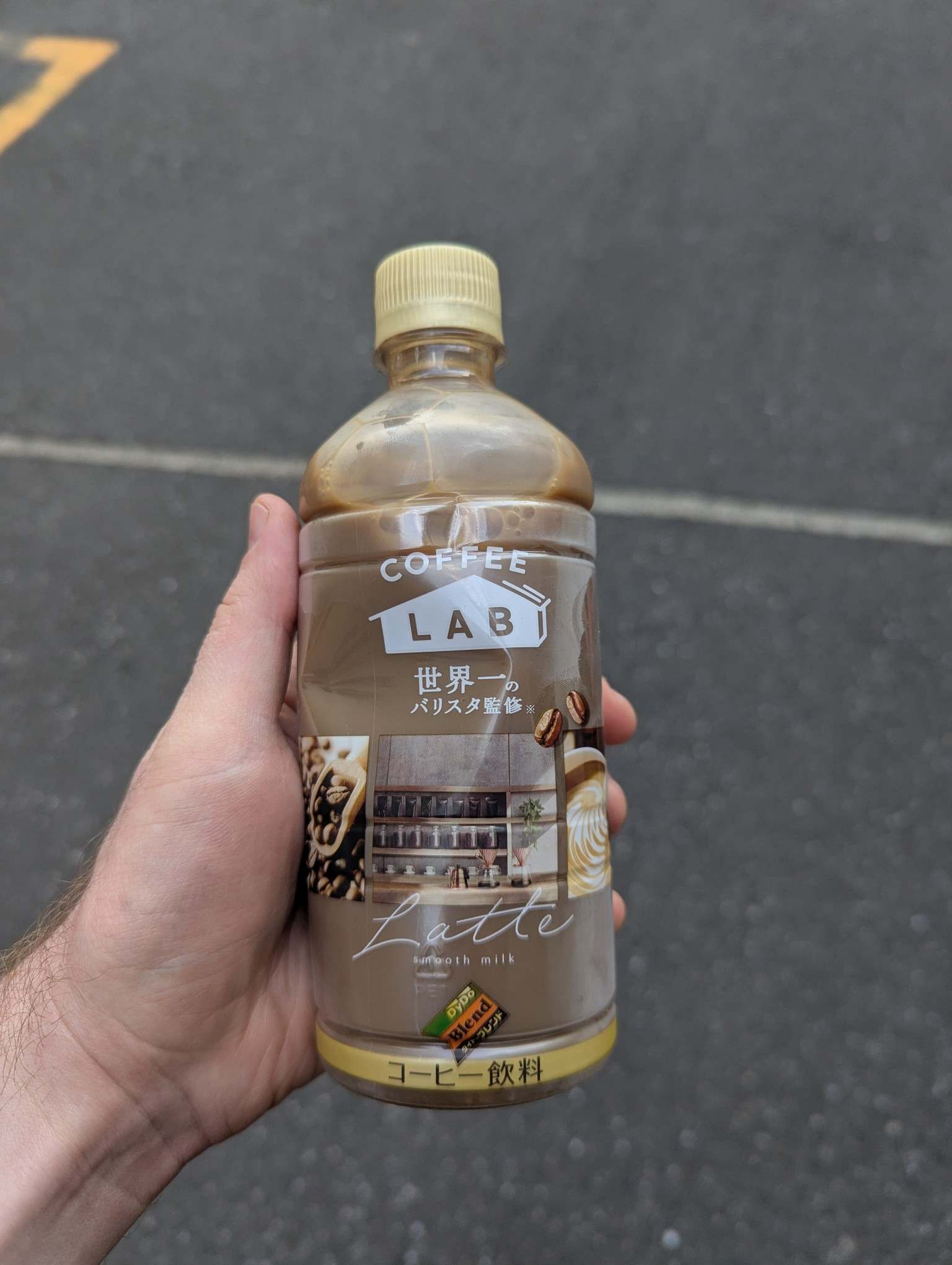
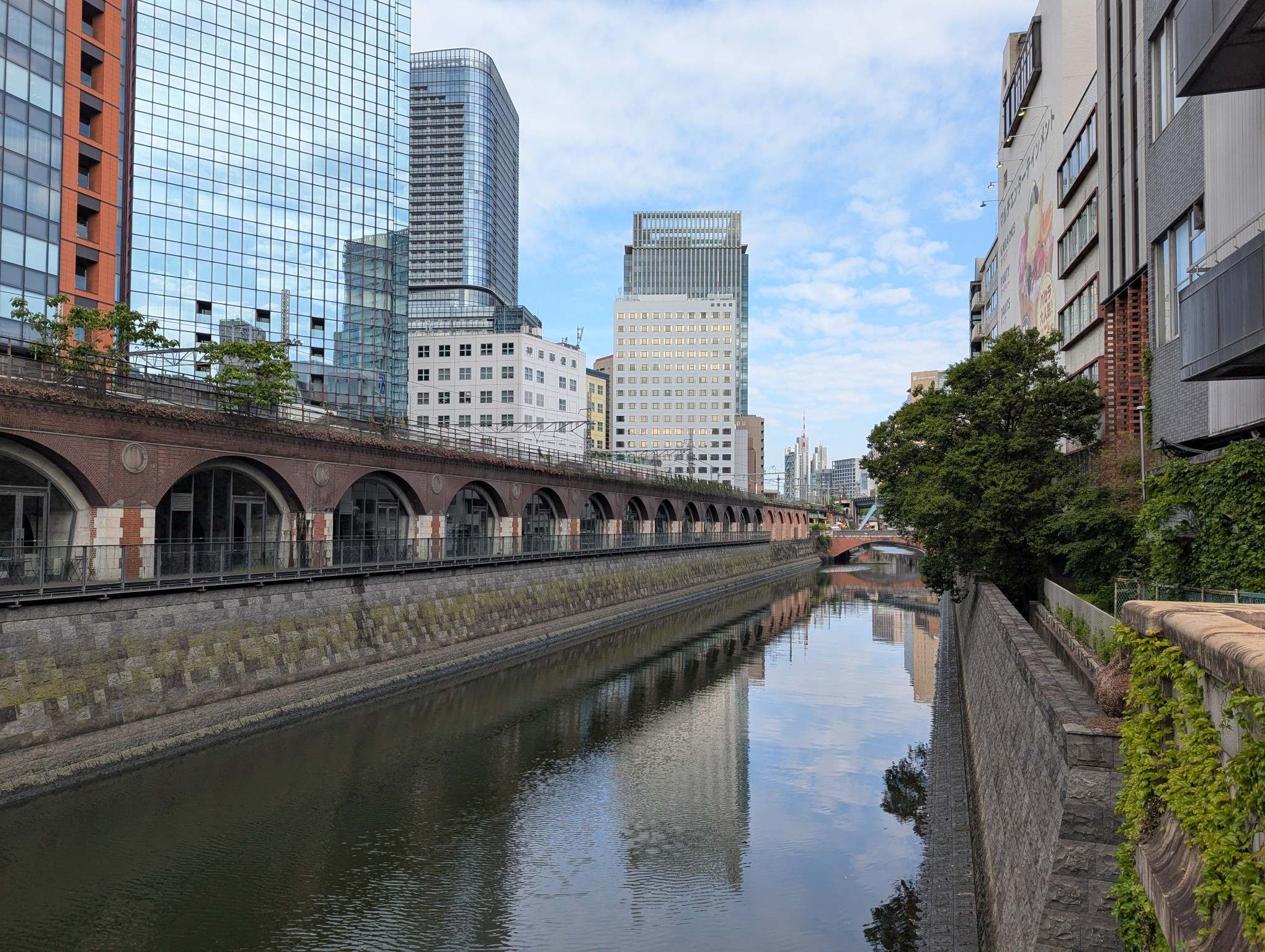
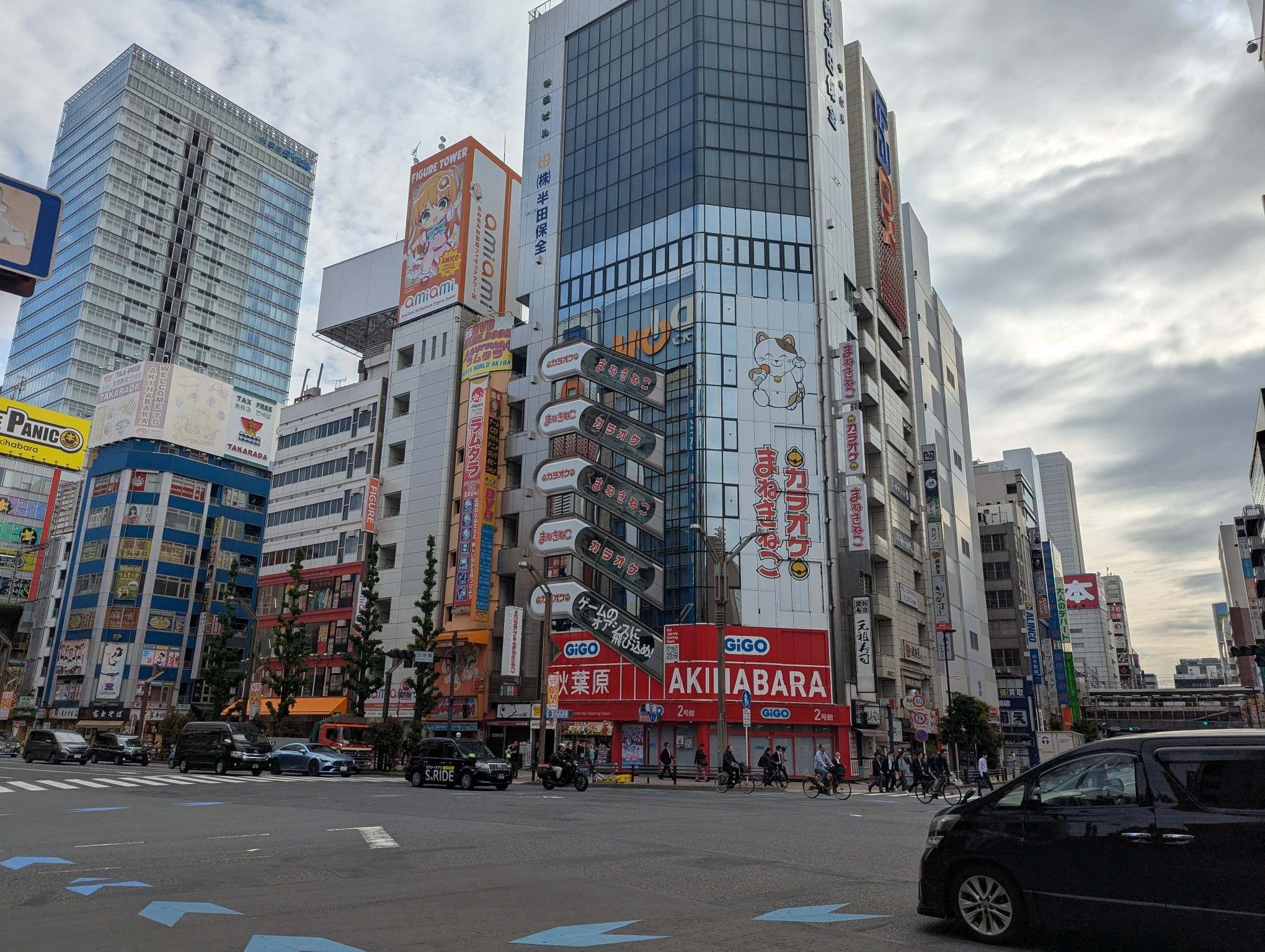
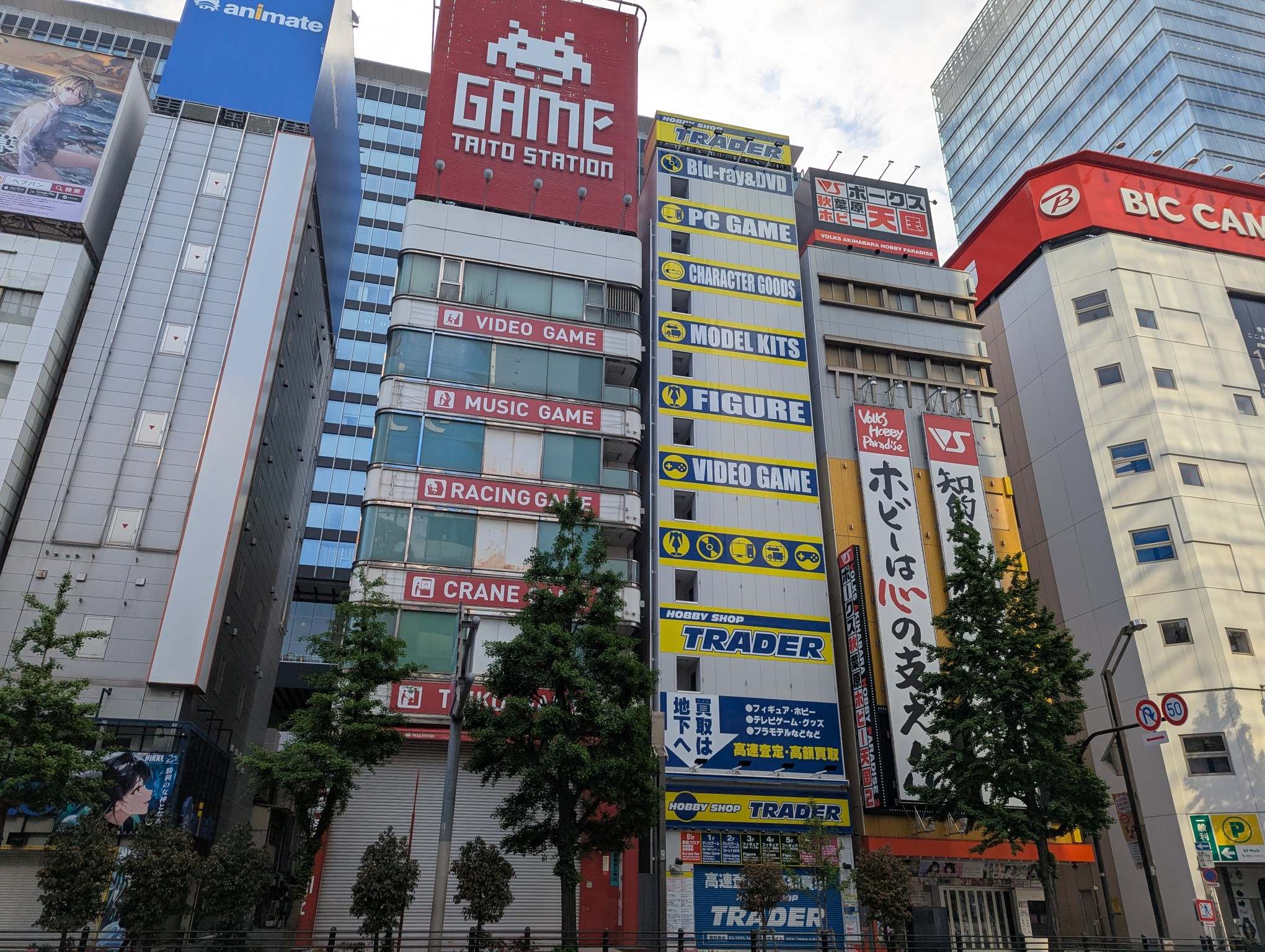
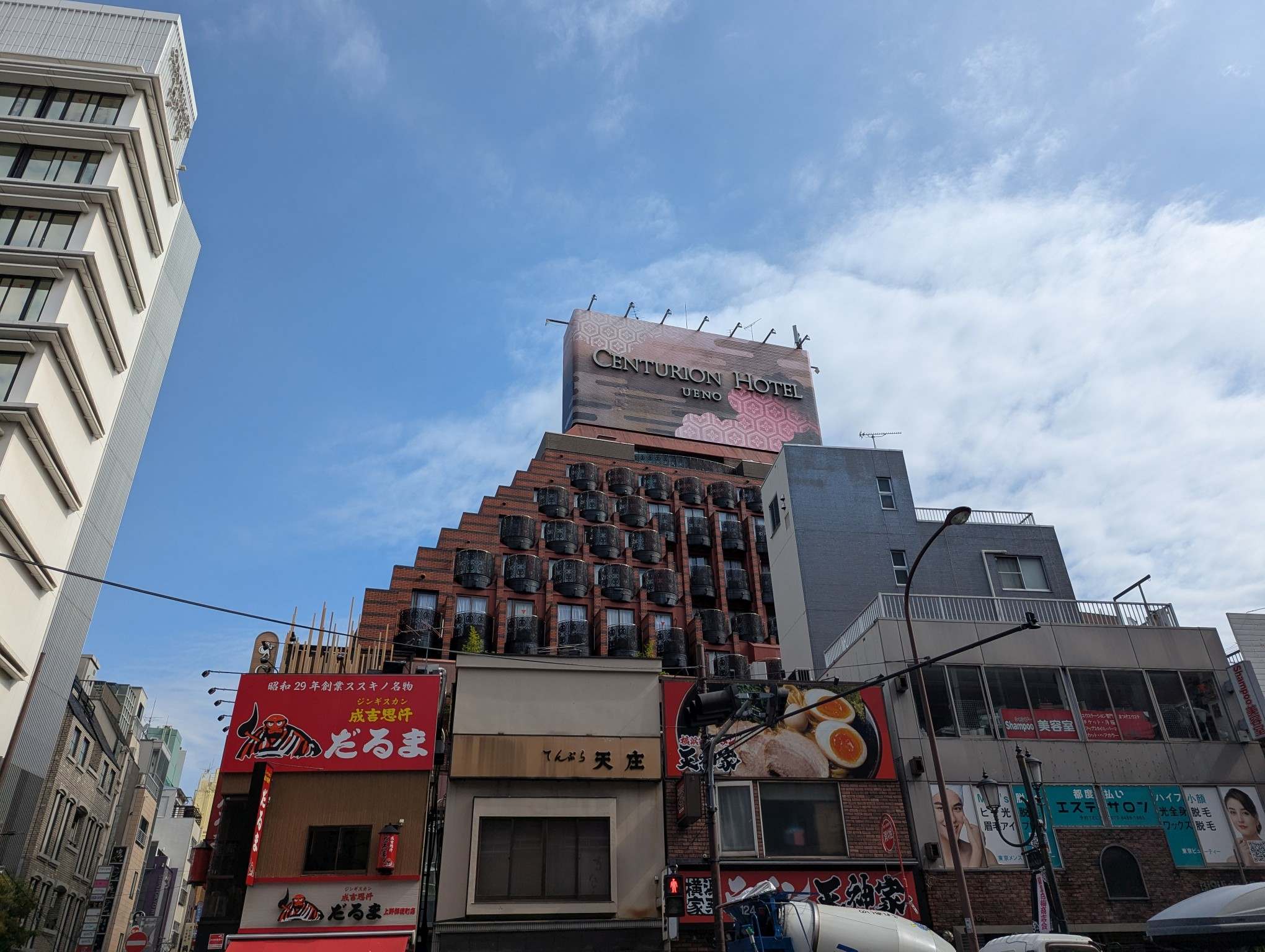
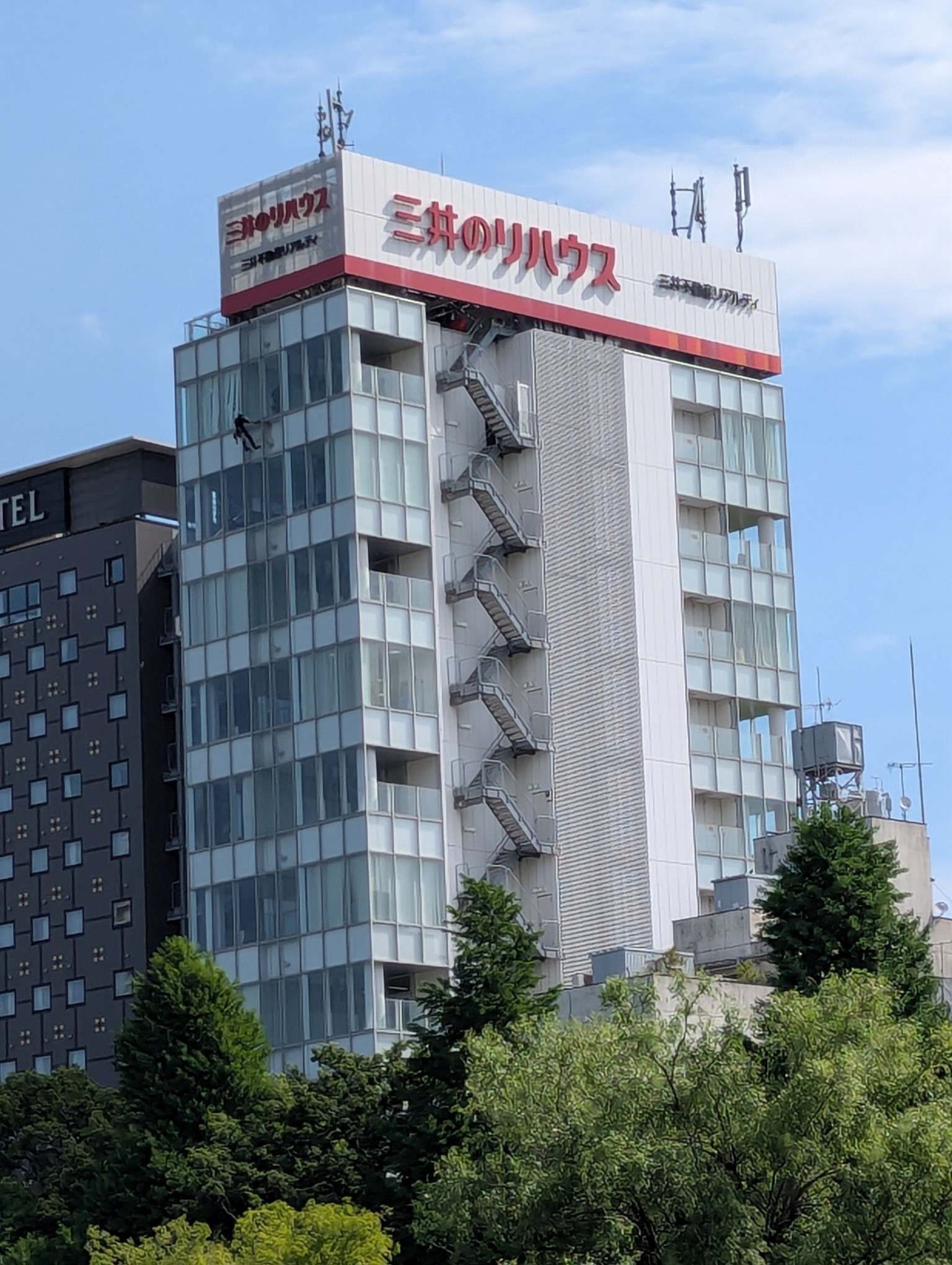
With some discussion what to do next, we decided to walk to the nearby Shinoazuno pond and park. On the way, we stopped at a convenience store that was open for our first lunch break of the morning. These stores are widely distributed throughout the city and are open late at night, sometimes 24 hours a day. You can find all kinds of daily necessities there, such as snacks, ready-to-eat meals, and drinks. Some offer ATM services, and others offer places to dispose of trash, as trash cans are not as common as they are in Europe. Nevertheless, most streets are clean and free of trash because people tend to pay attention to their surroundings and carry trash until they find a place to dispose of it. Such places include convenience stores, some train stations and our hotel.
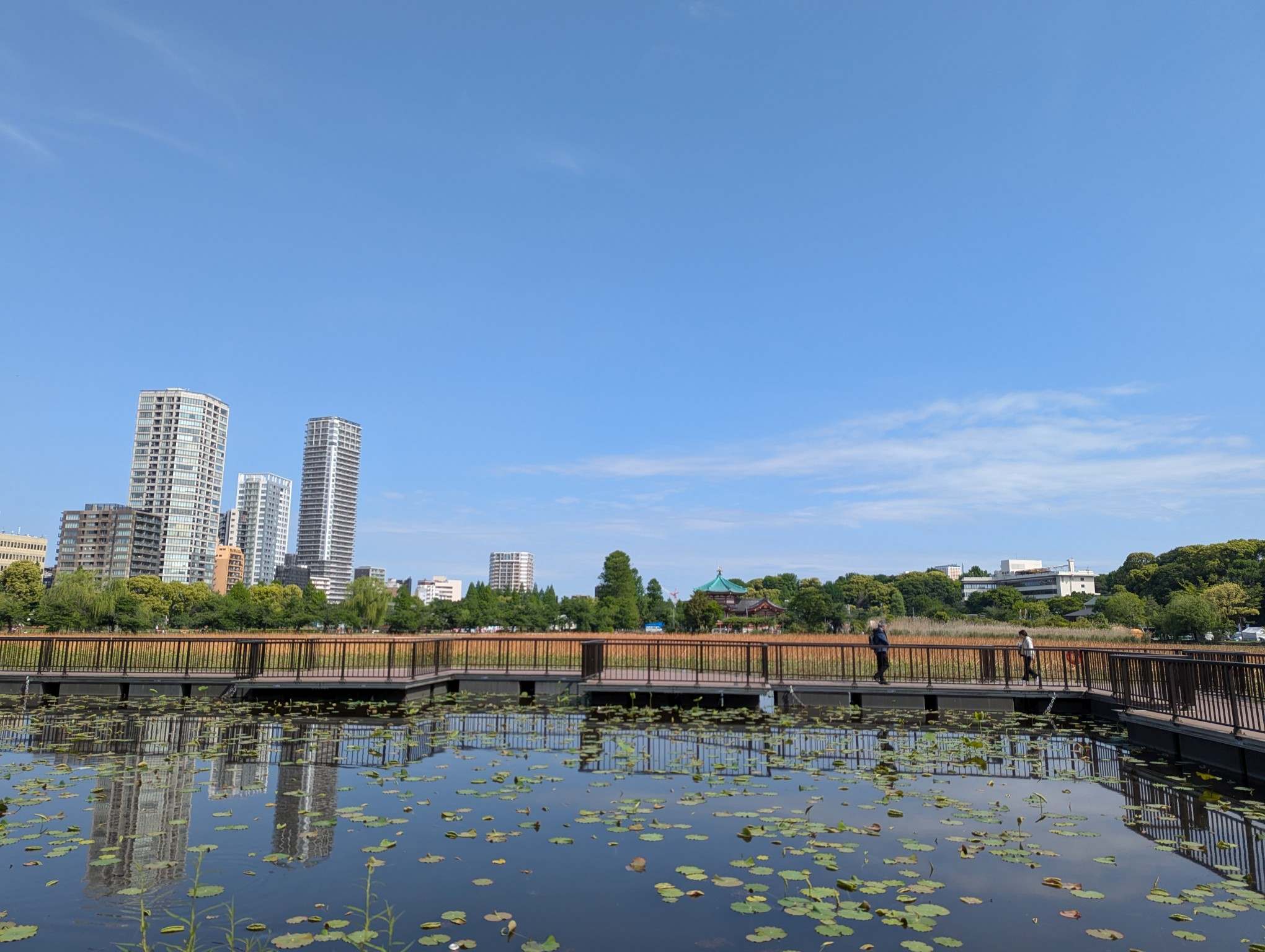
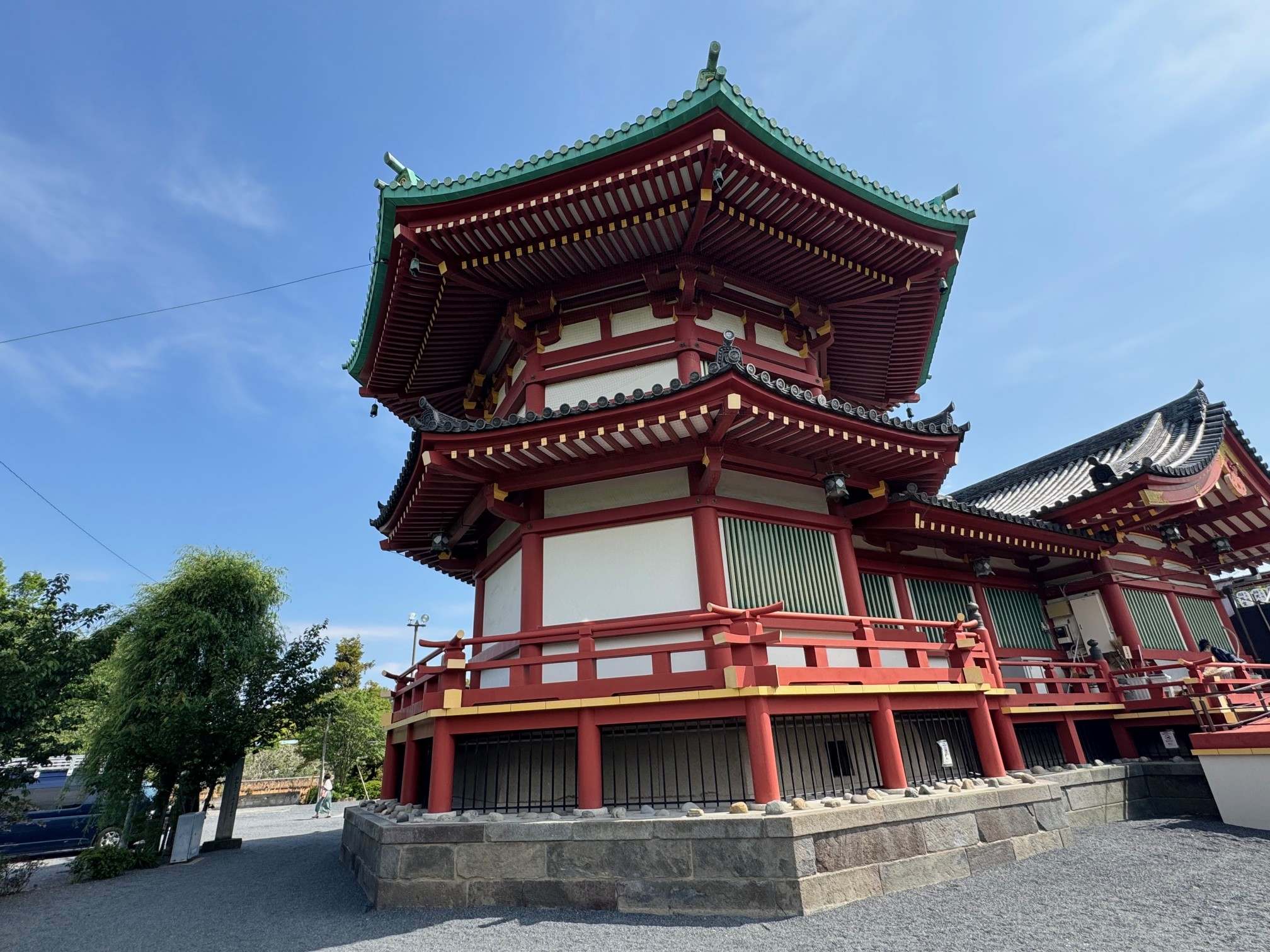
After reaching the pond, we rested on some benches and enjoyed our breakfast. Then, we walked around the pond and visited the Shinobazu Budist Temple in the center. From there, we continued north to Ueno Park.
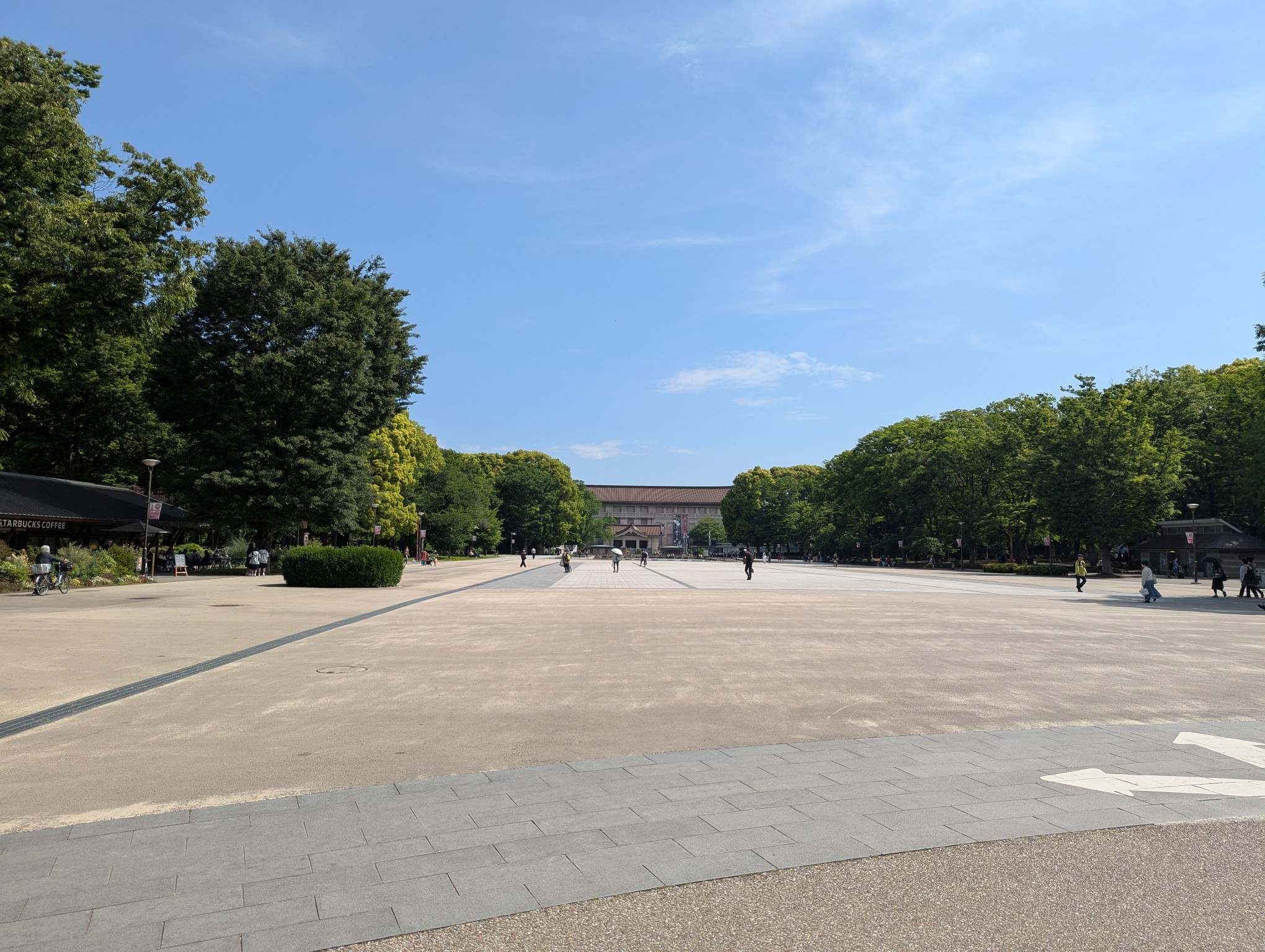
This park features several museums, including the National Museum and the Natural Science Museum. We decided to visit the latter and see the exhibition.
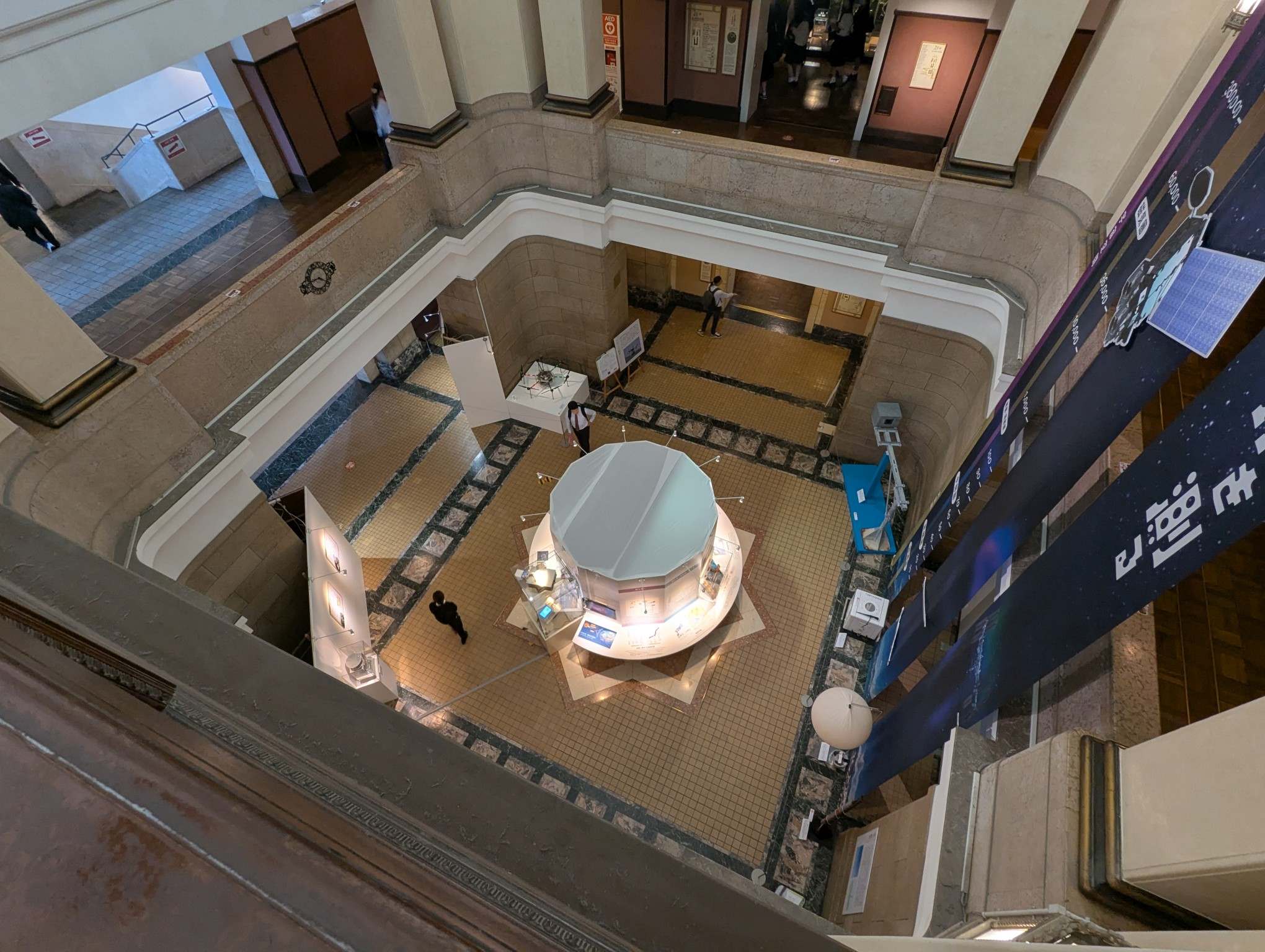
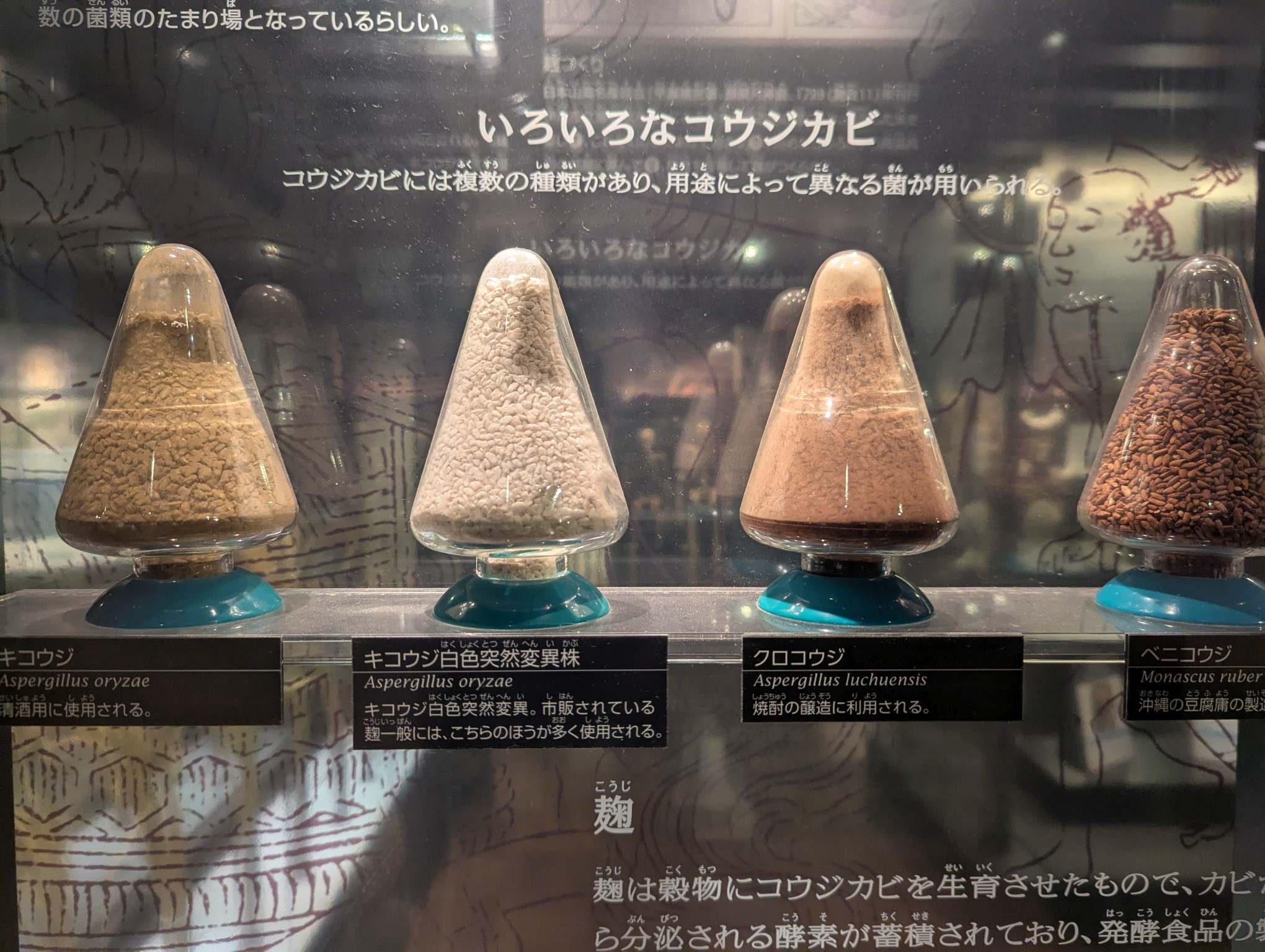
The museum featured various technical systems similar to those found in Europe. One interesting exhibit was a system that used lidar to track the altitude and speed of clouds for weather forecasts. The exhibition was split between an old and a new building, with a great view of the surrounding area from the rooftop balcony.
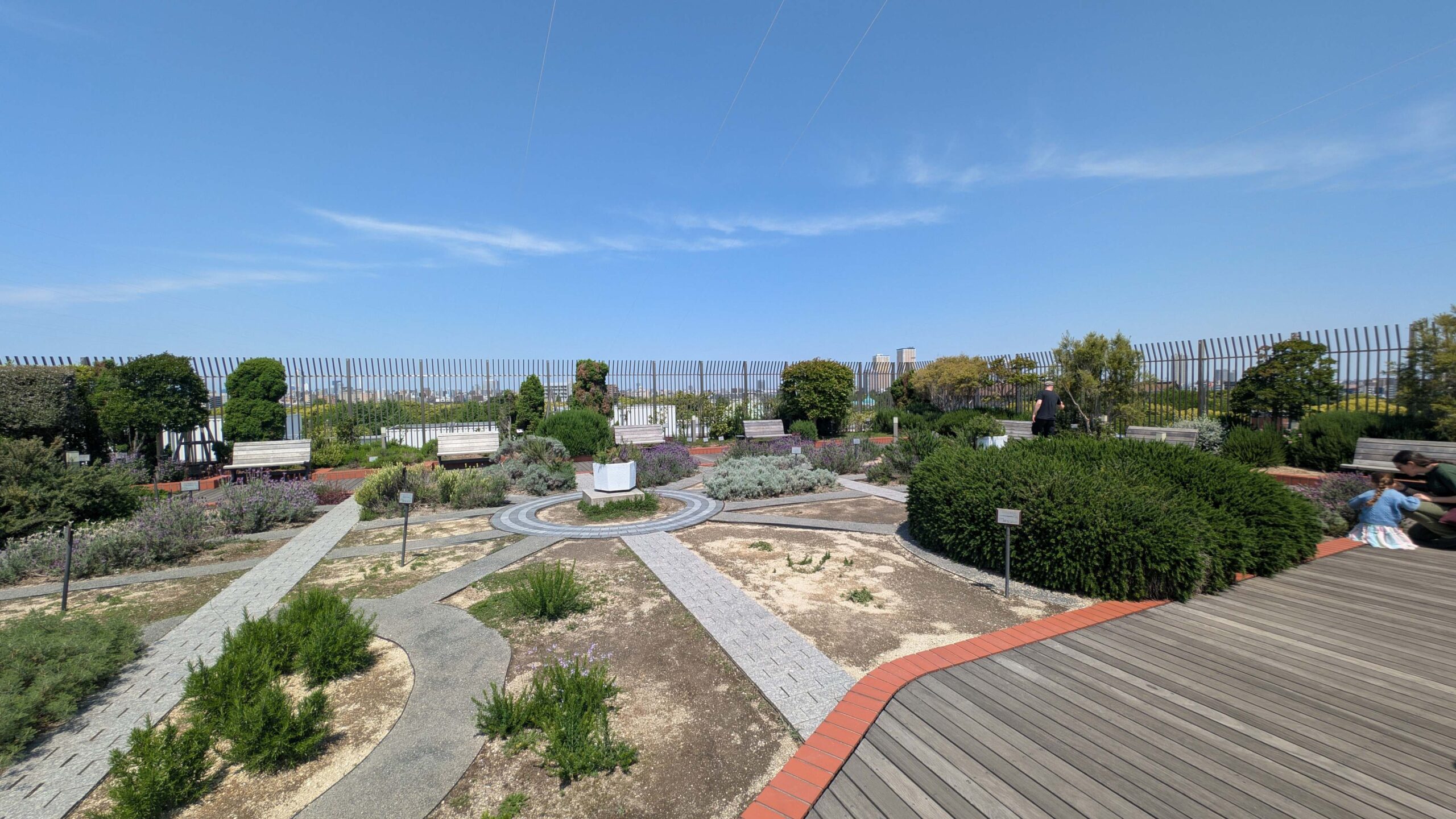
Not everything was written in English, so information could not always be gathered from the exhibitions.
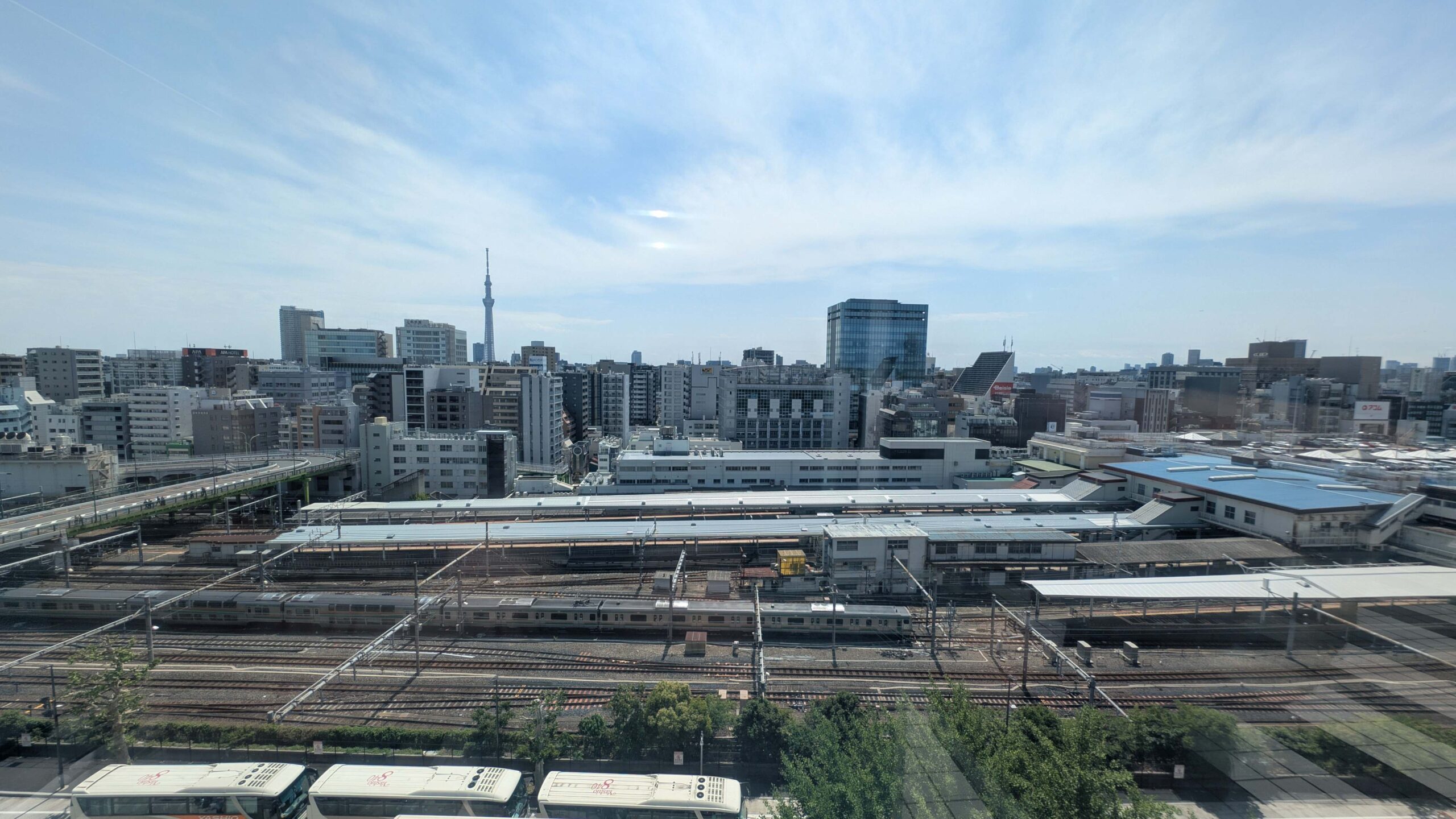
After leaving, it was time for dinner. Using web search, we found a café located below the JR train lines in Akihabara that served egg sandwiches with two slices of toast wrapped around sliced eggs and fries, which were quite tasty. An interesting feature of elevated train tracks is the space generated just below them. In Tokyo, several such rail systems exist, inviting visitors with lots of nice, small restaurants, shops, and cafés.
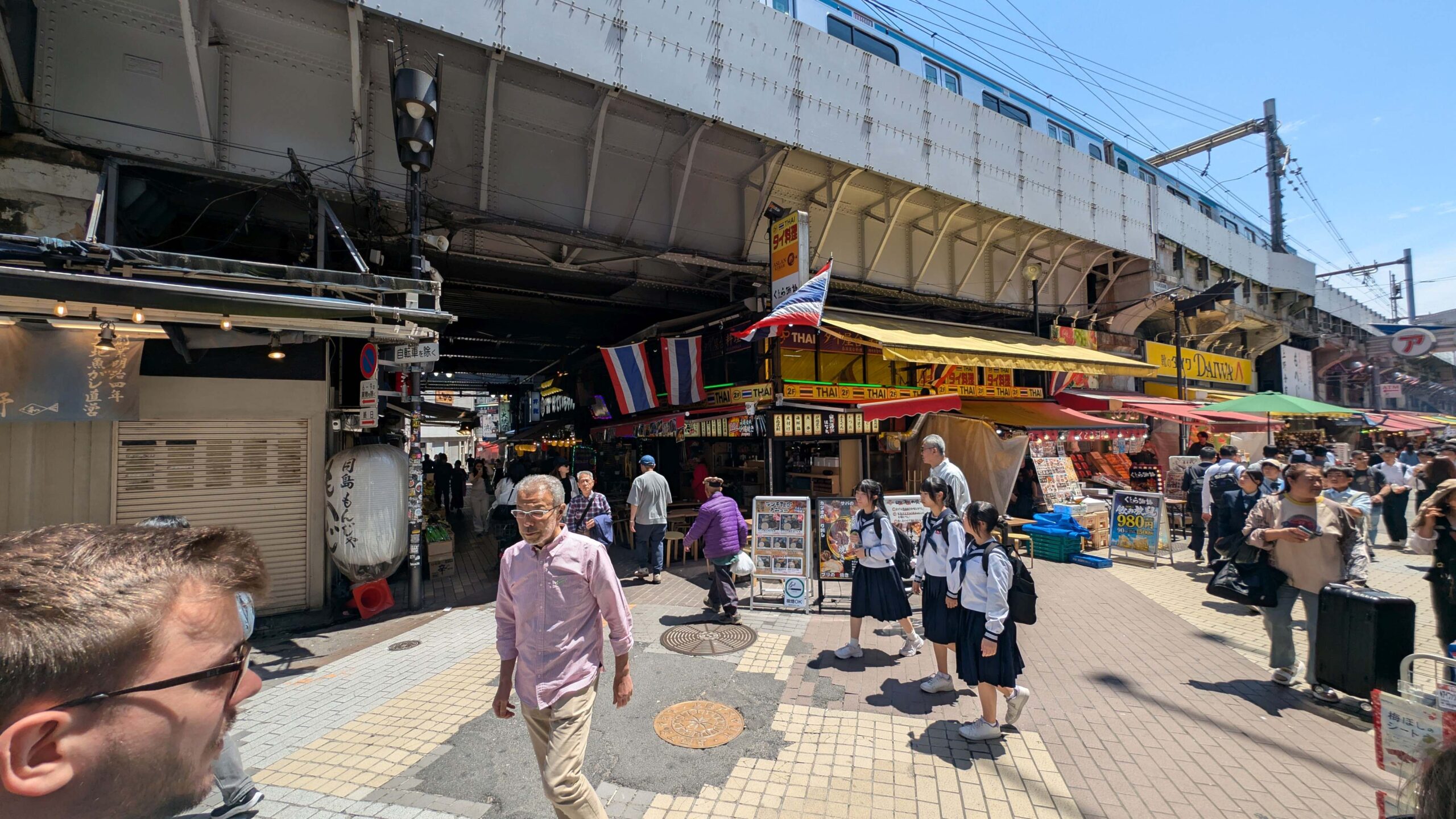
After eating breakfast, we continued exploring Akihabara now that the shops had opened. In one electronics store, we found supplies for crafting our travel books, as well as a portable battery for our smartphones and other items we had planned to purchase for our trip.
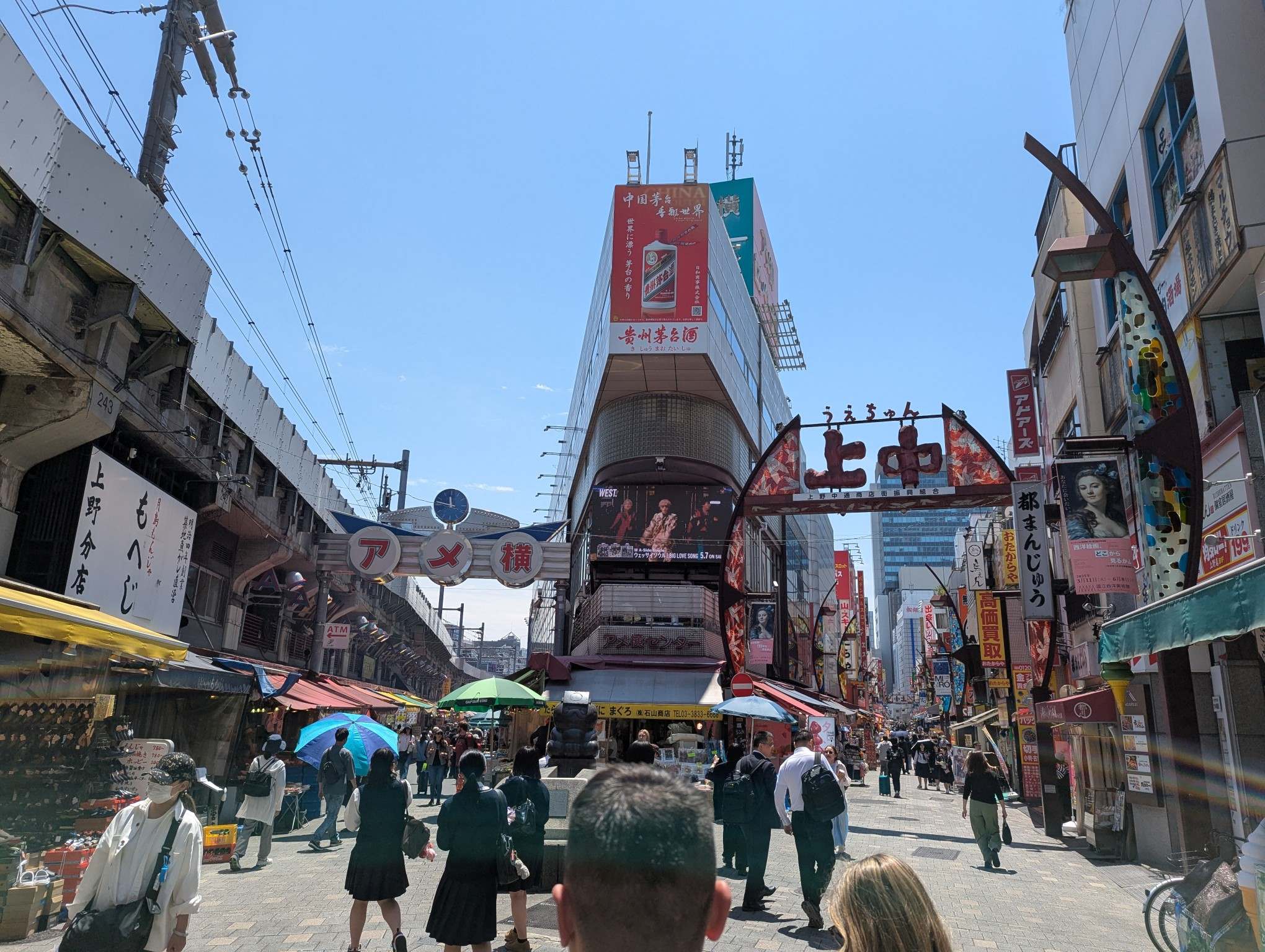
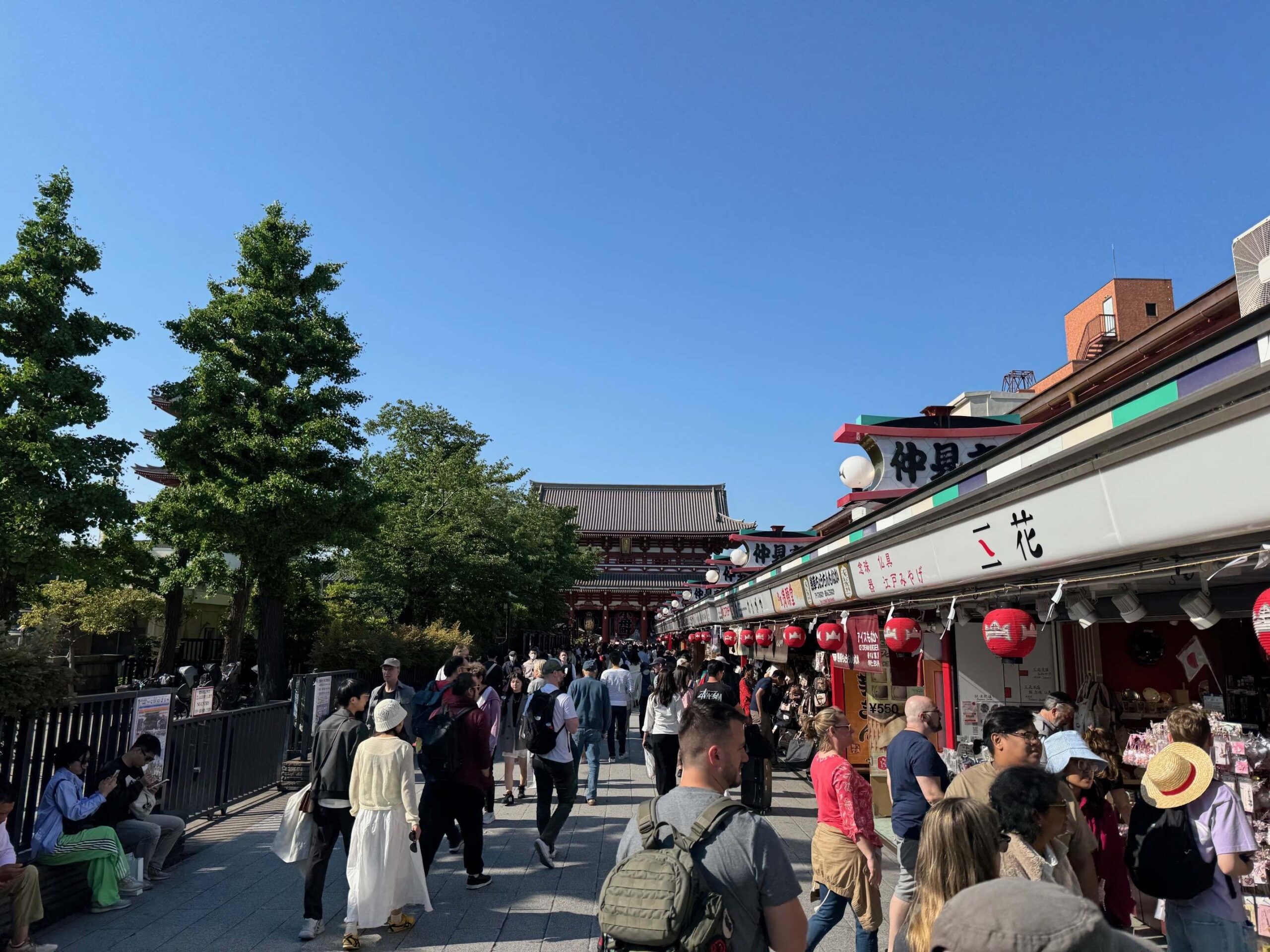
After shopping, we headed to Nakamise and the Asakusa Shrine, another popular tourist spot with a shopping street lined with small shops selling various items. I was looking for ice cream, while my companions were looking for souvenirs and postcards.
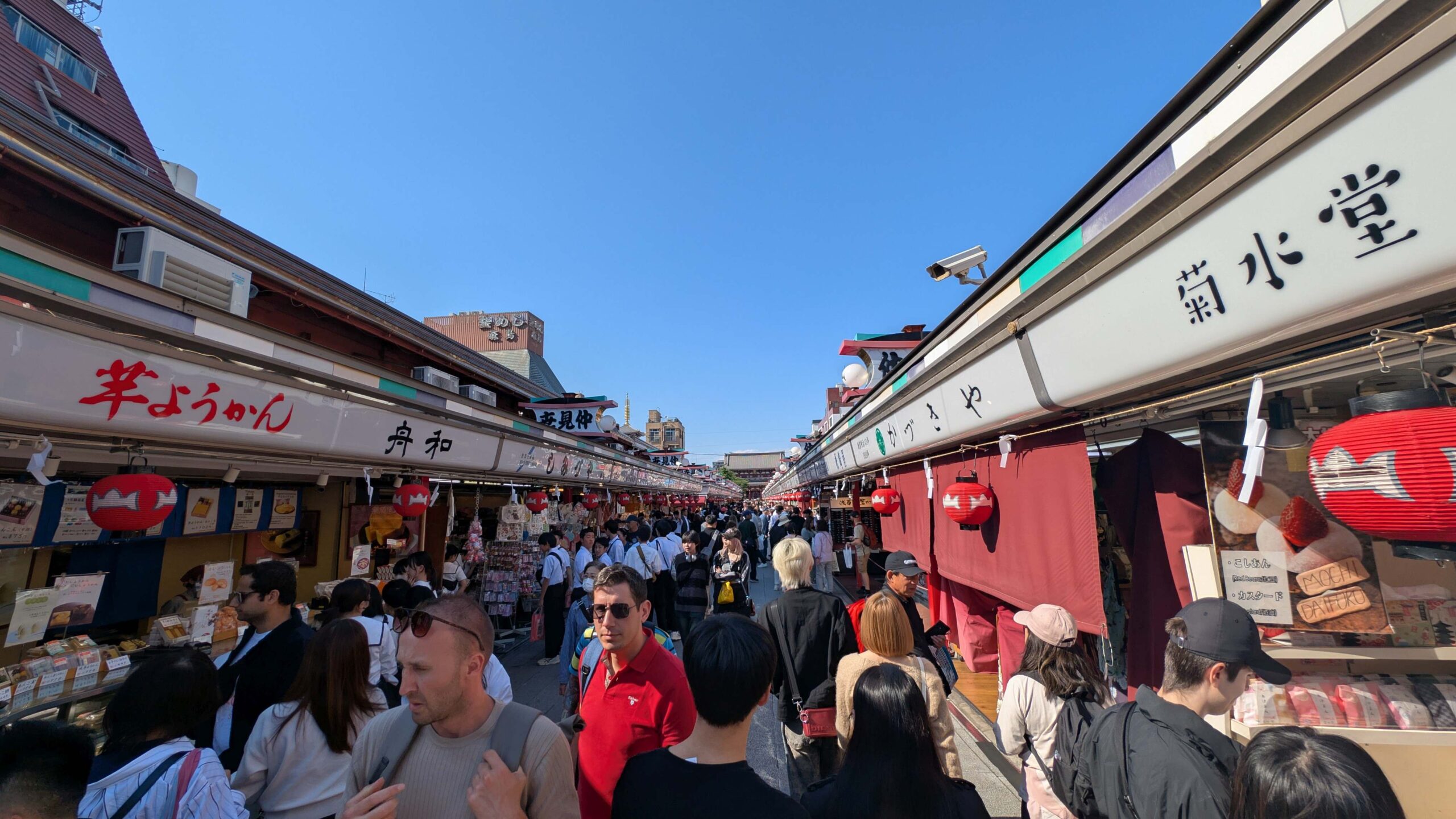
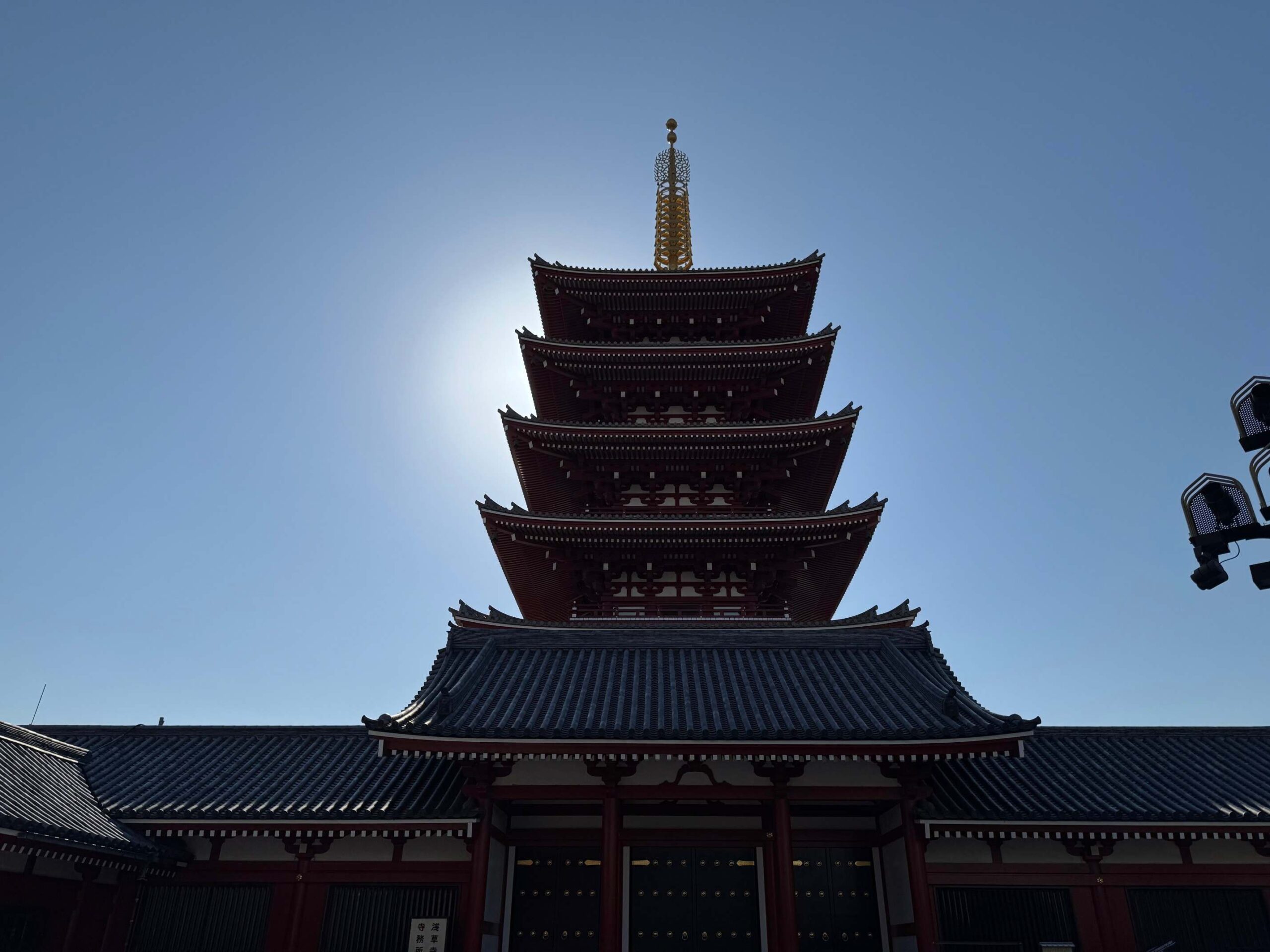
The shrine was interesting to visit, but it was crowded. Many people wearing traditional kimonos roamed the temple area. Overall, these people looked like tourists who were just playing dress up. This was further confirmed by the nearby shops where one can rent a kimono set for a few days, exactly for this purpose.
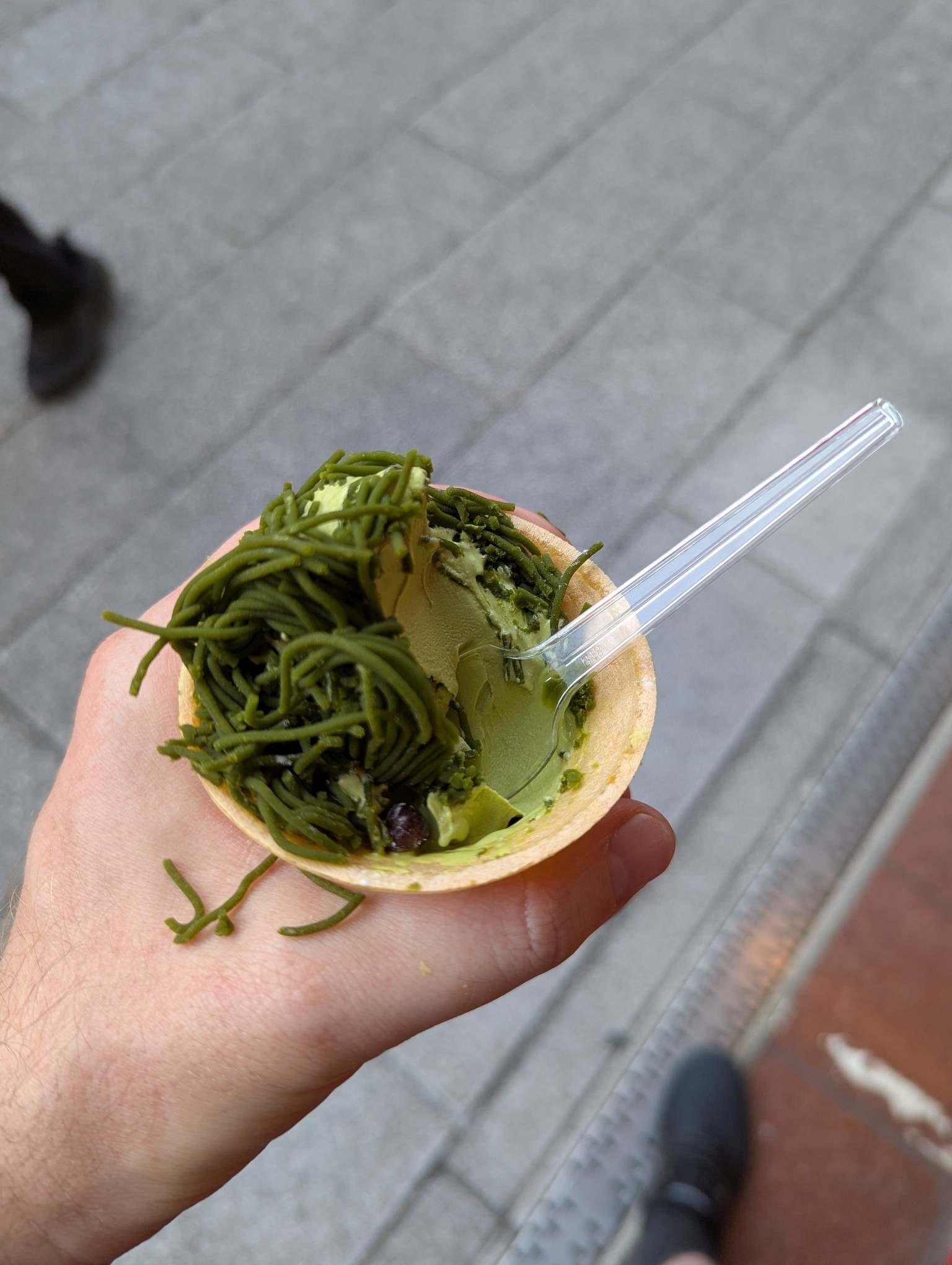
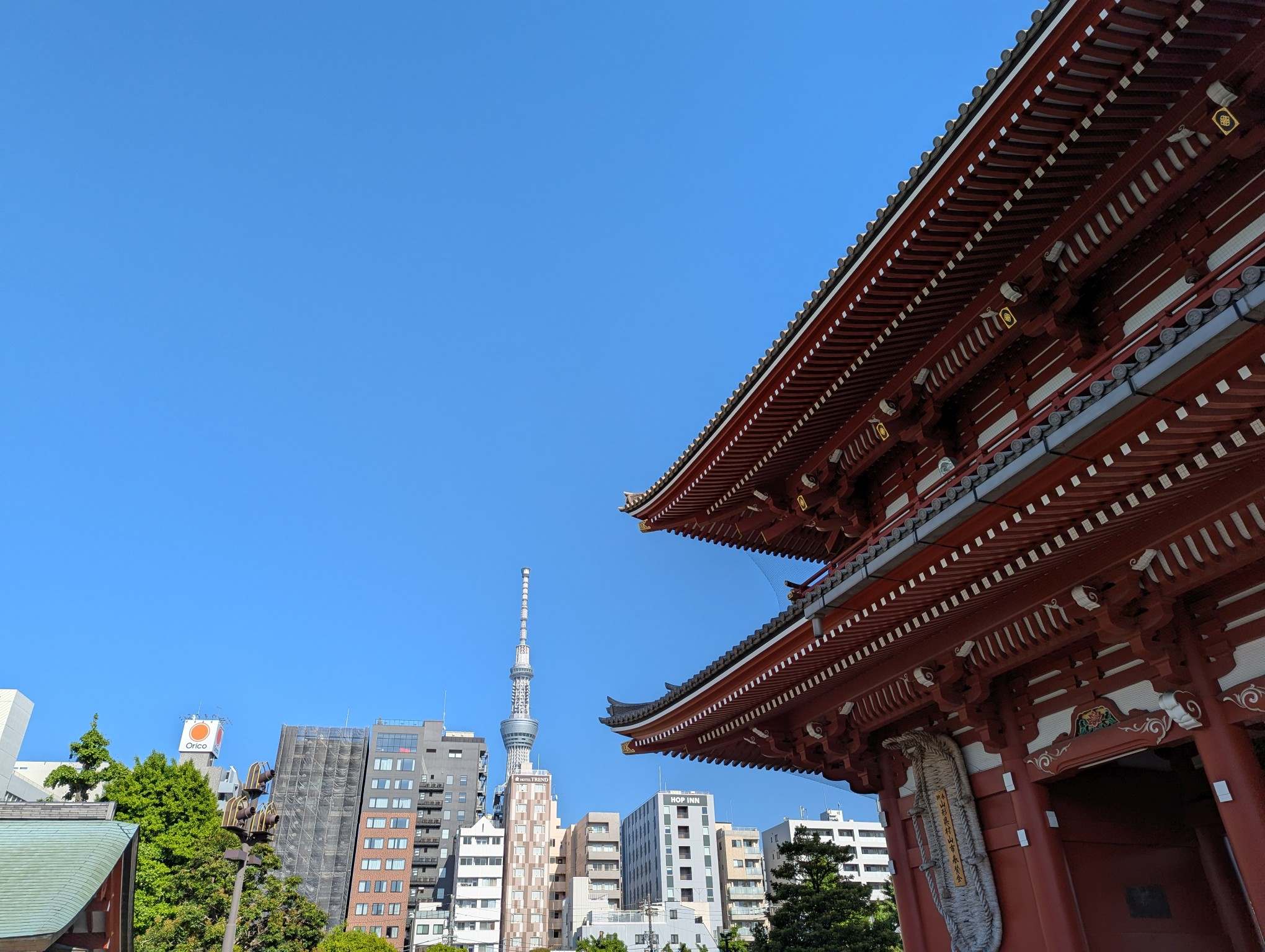
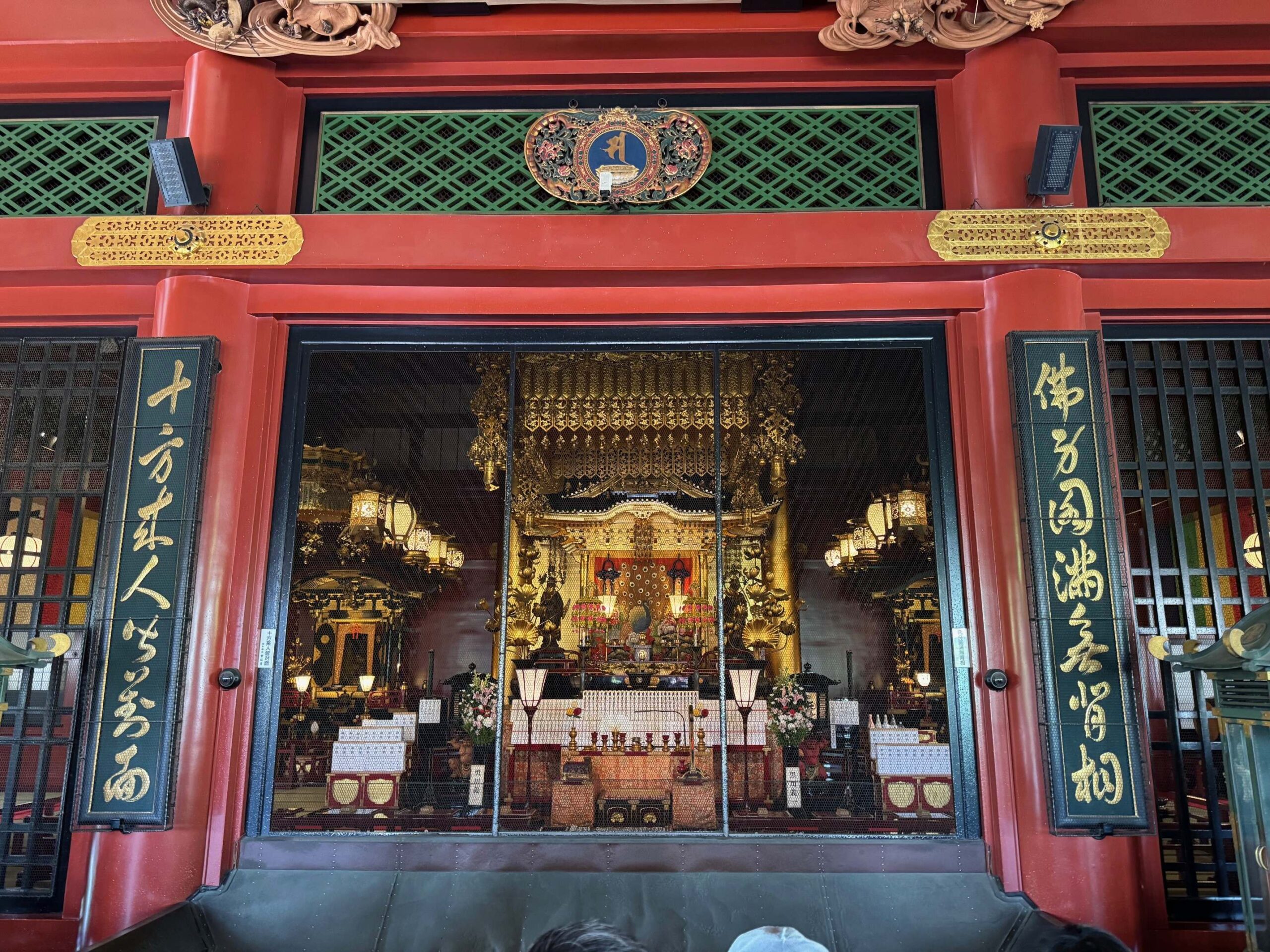
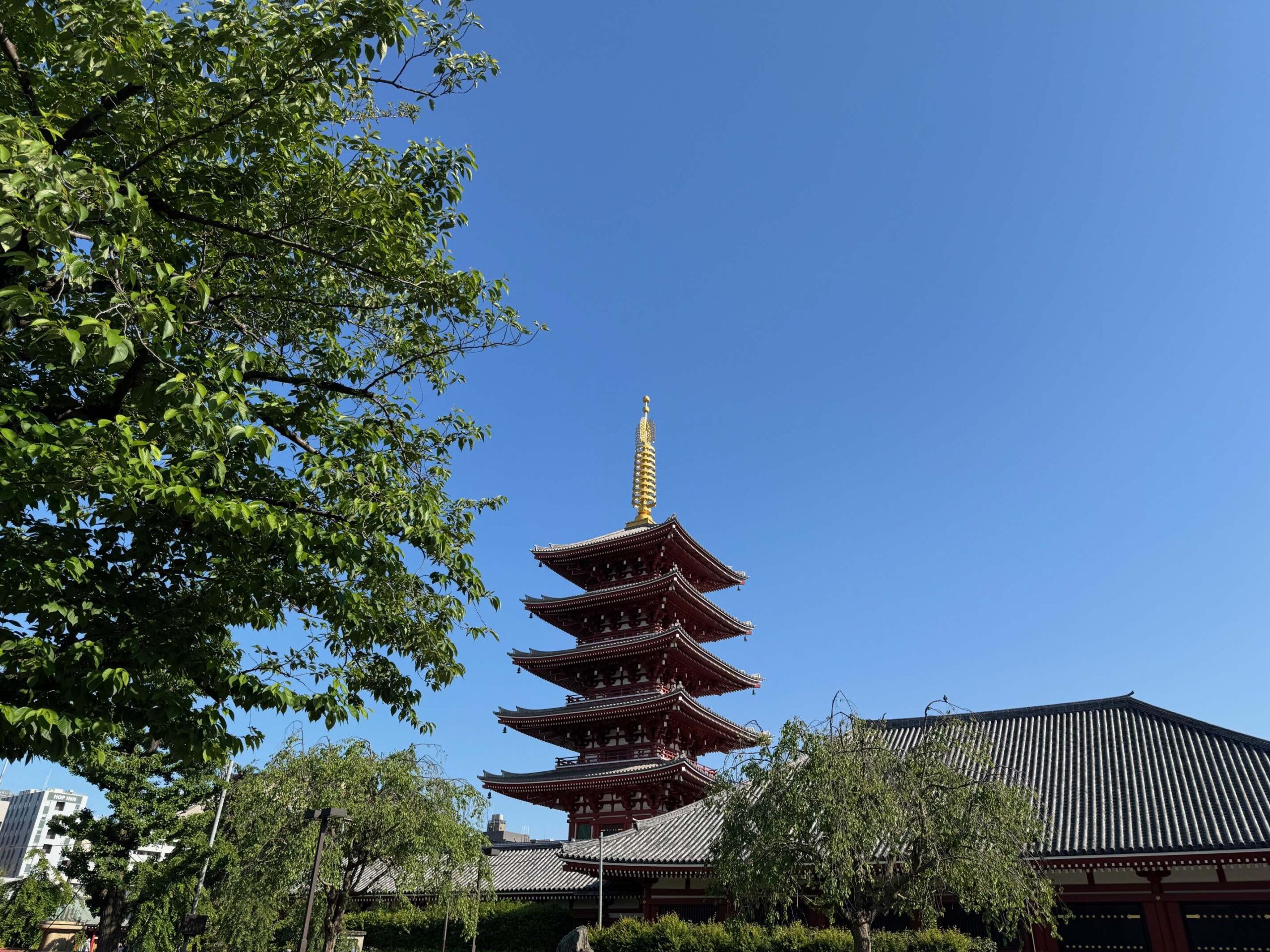
With a quick shopping detour for strawberries, we crossed the river and enjoyed them while taking in the view and surrounding area.
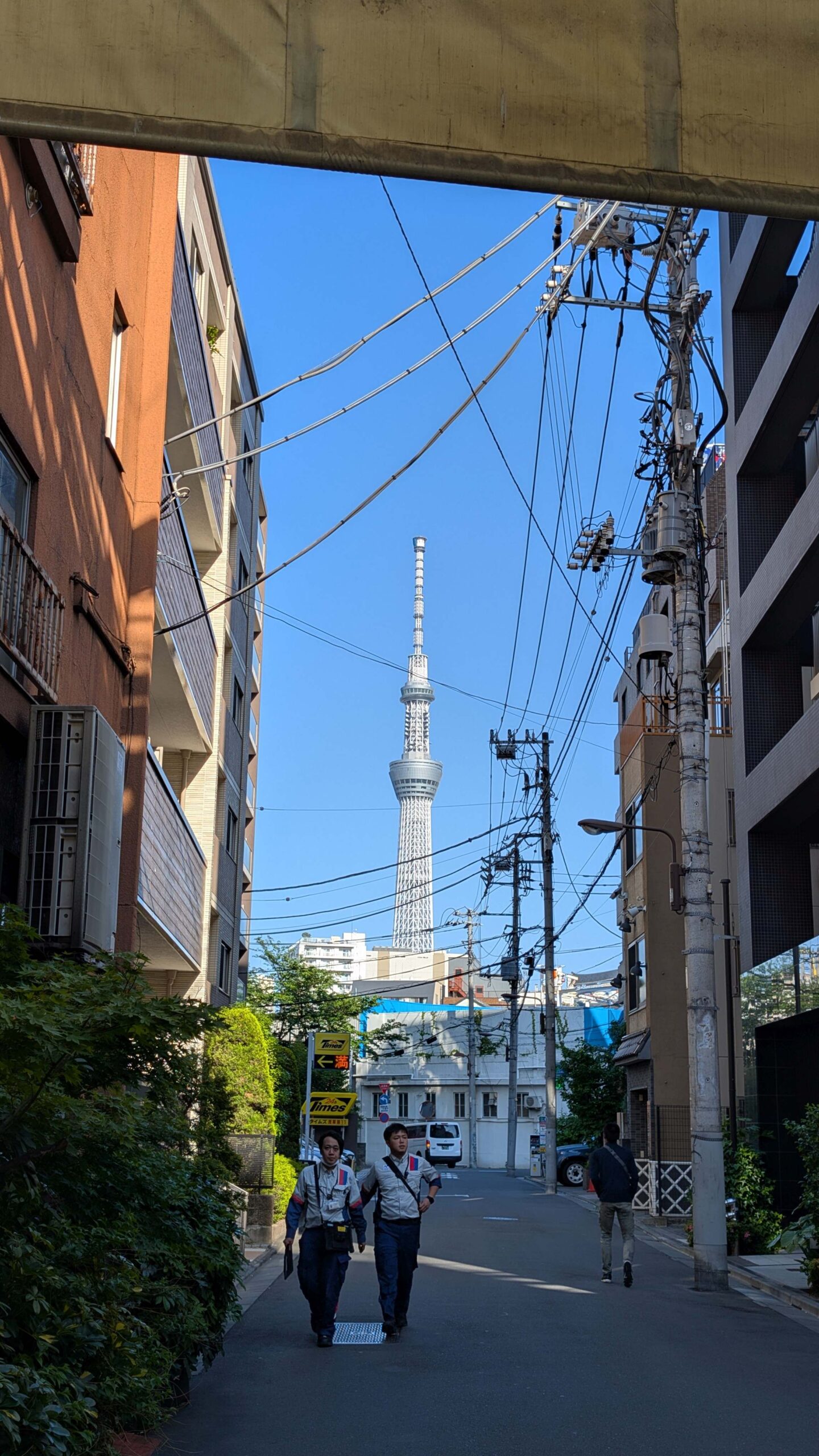
The weather on that first day was ideal for walking around because it was sunny, but there was a cooling wind, so it wasn’t too hot.
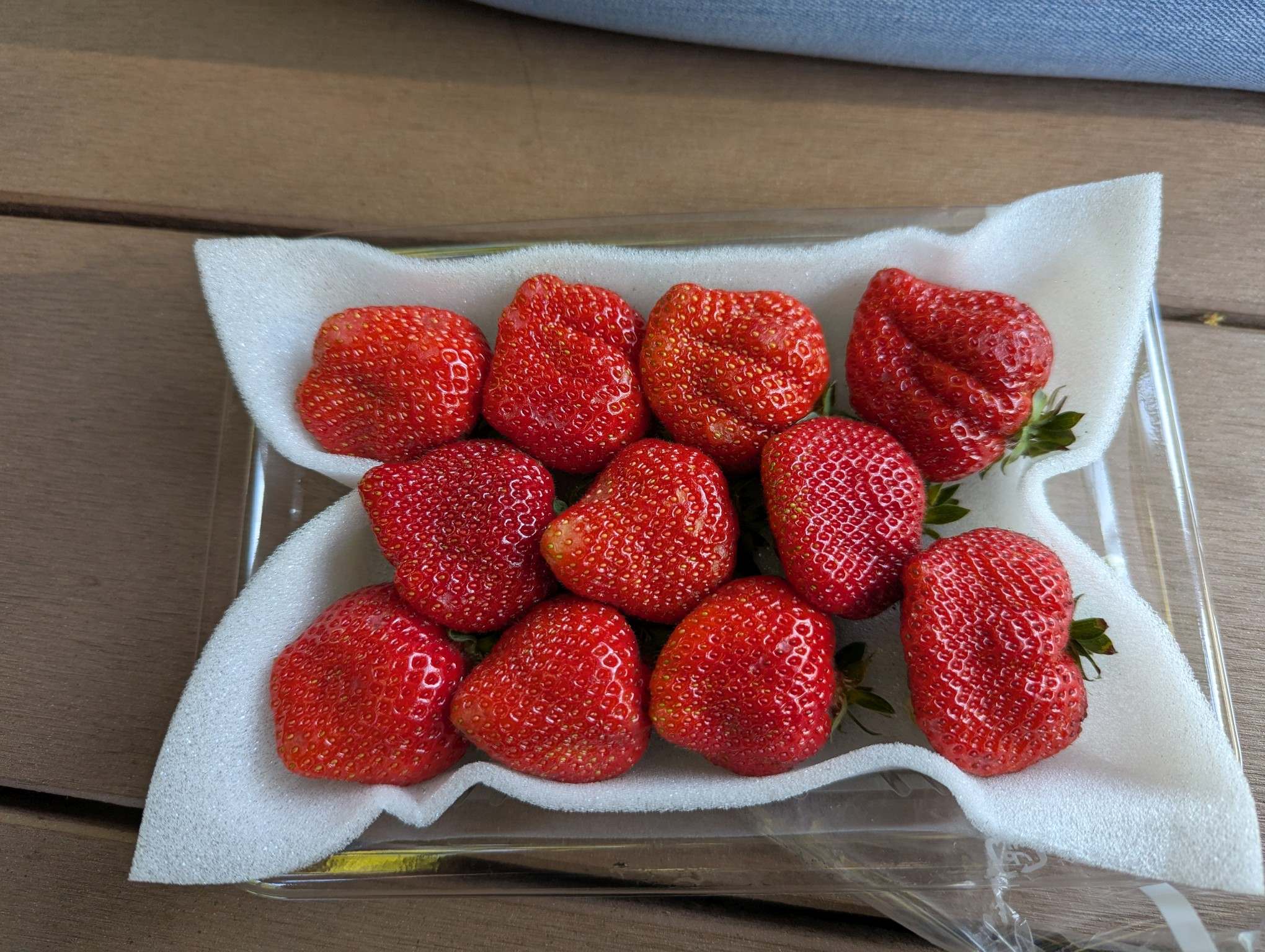
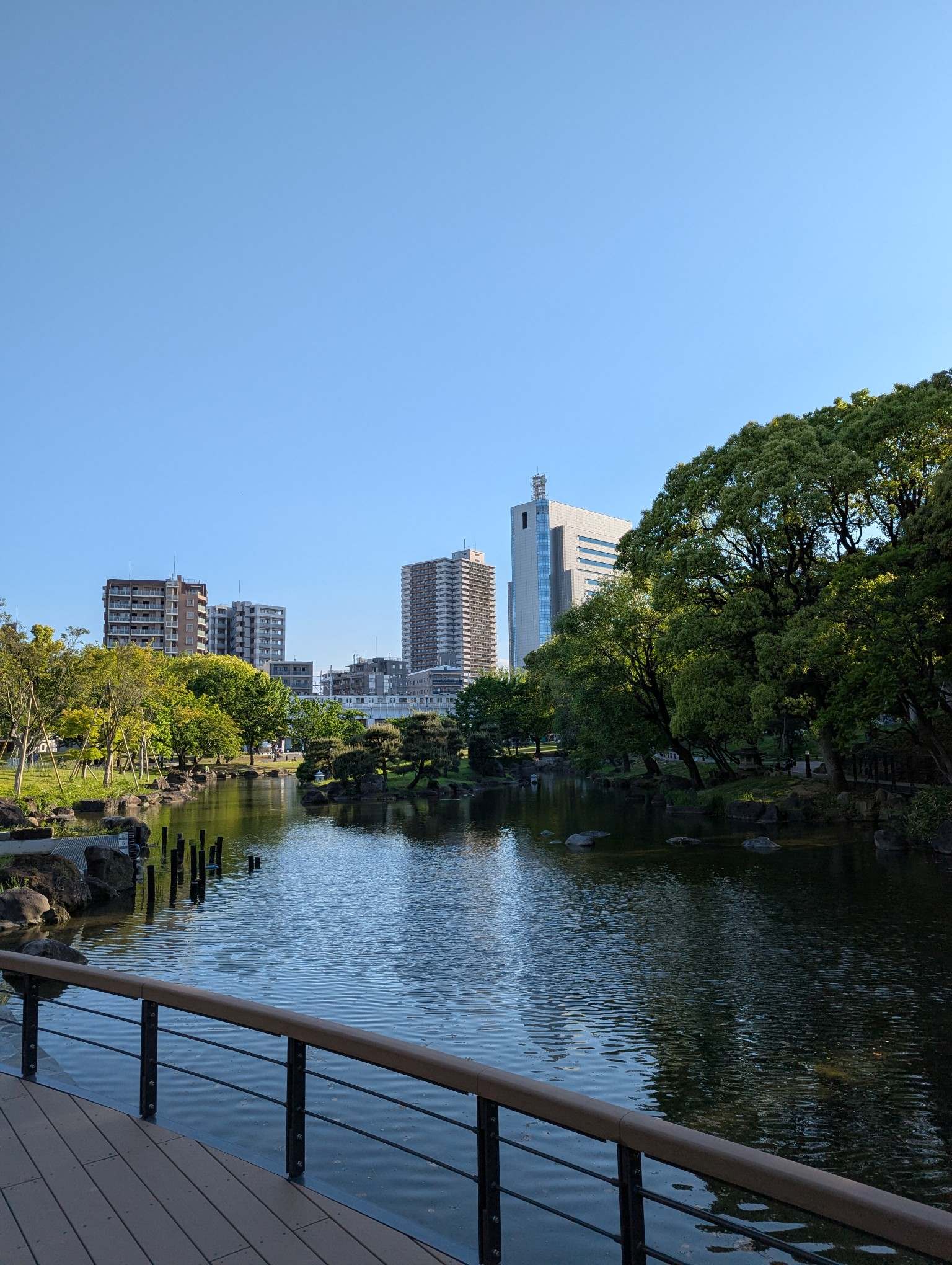
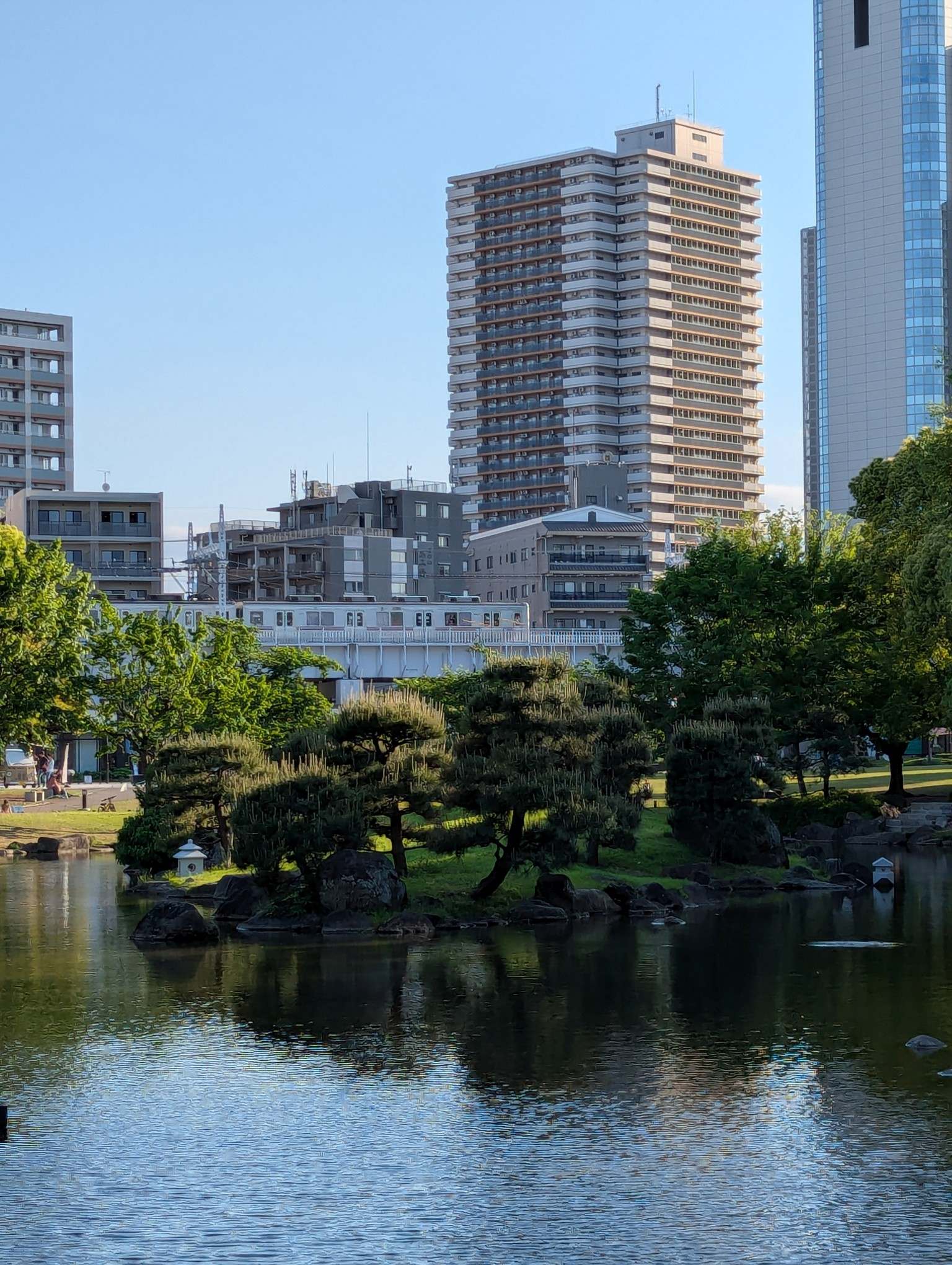
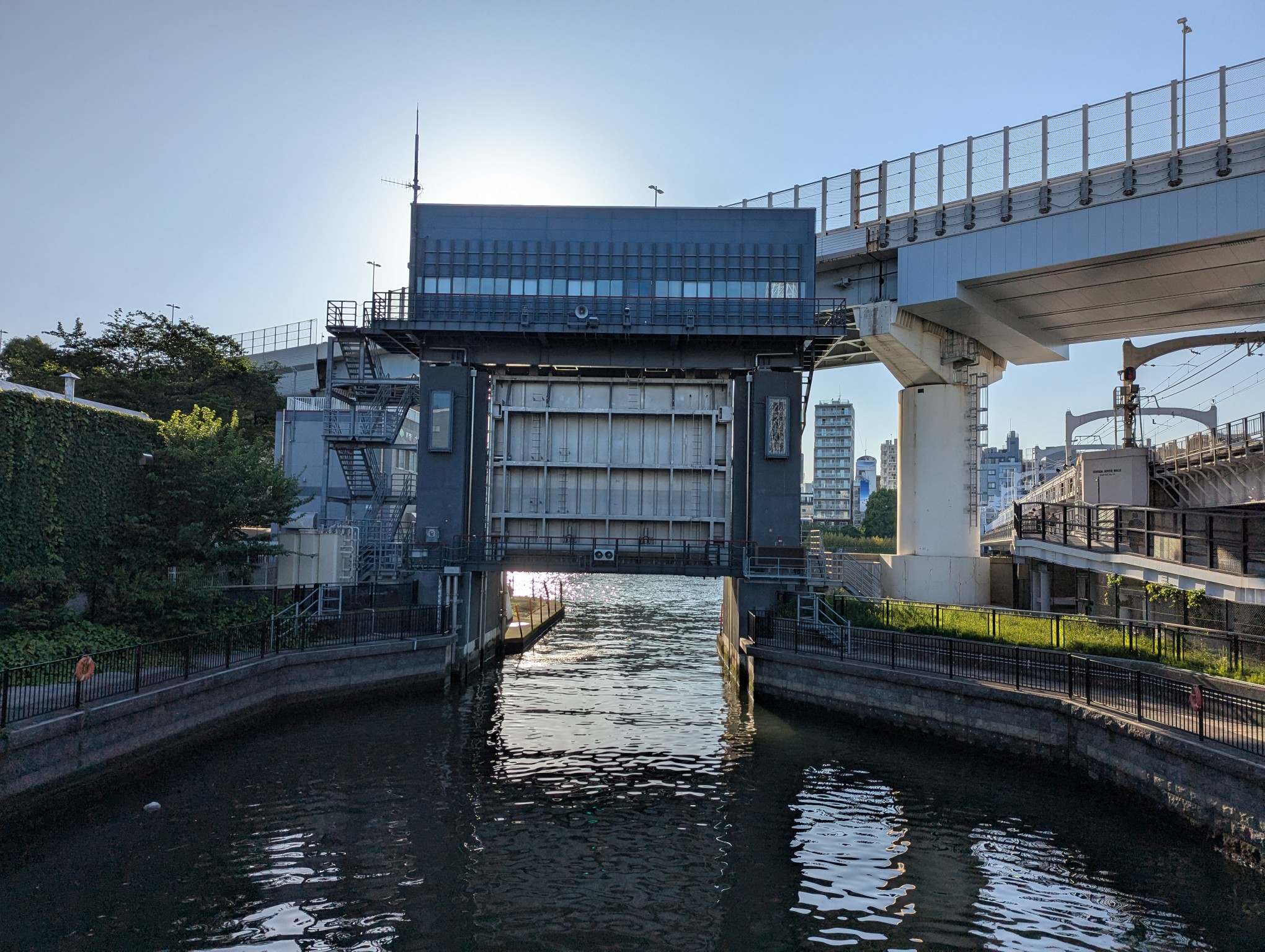
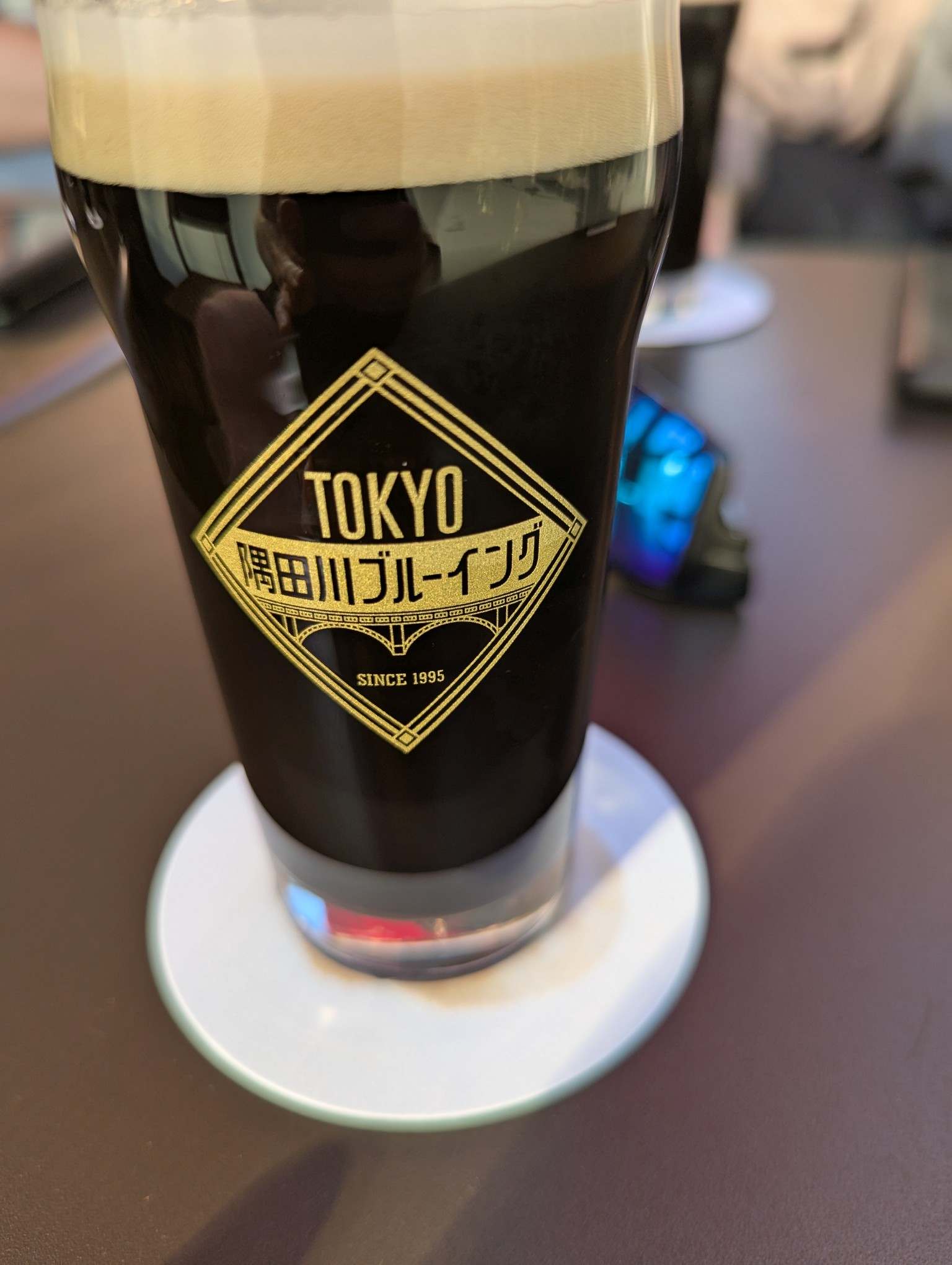
After our brief stay at the park, we decided to visit a brewery recommended by a friend to enjoy an evening beer. The selection wasn’t that extensive, and our glasses were quickly emptied. As the sun set, however, the wind picked up, so we decided to head back with one more planned stop.
Next to the train station in Asakusa is a large shopping center spanning seven floors. There, my cousin was able to check off an item on his shopping list. He bought a yukata, a casual version of the kimono. He got one for himself and one to surprise his girlfriend with.
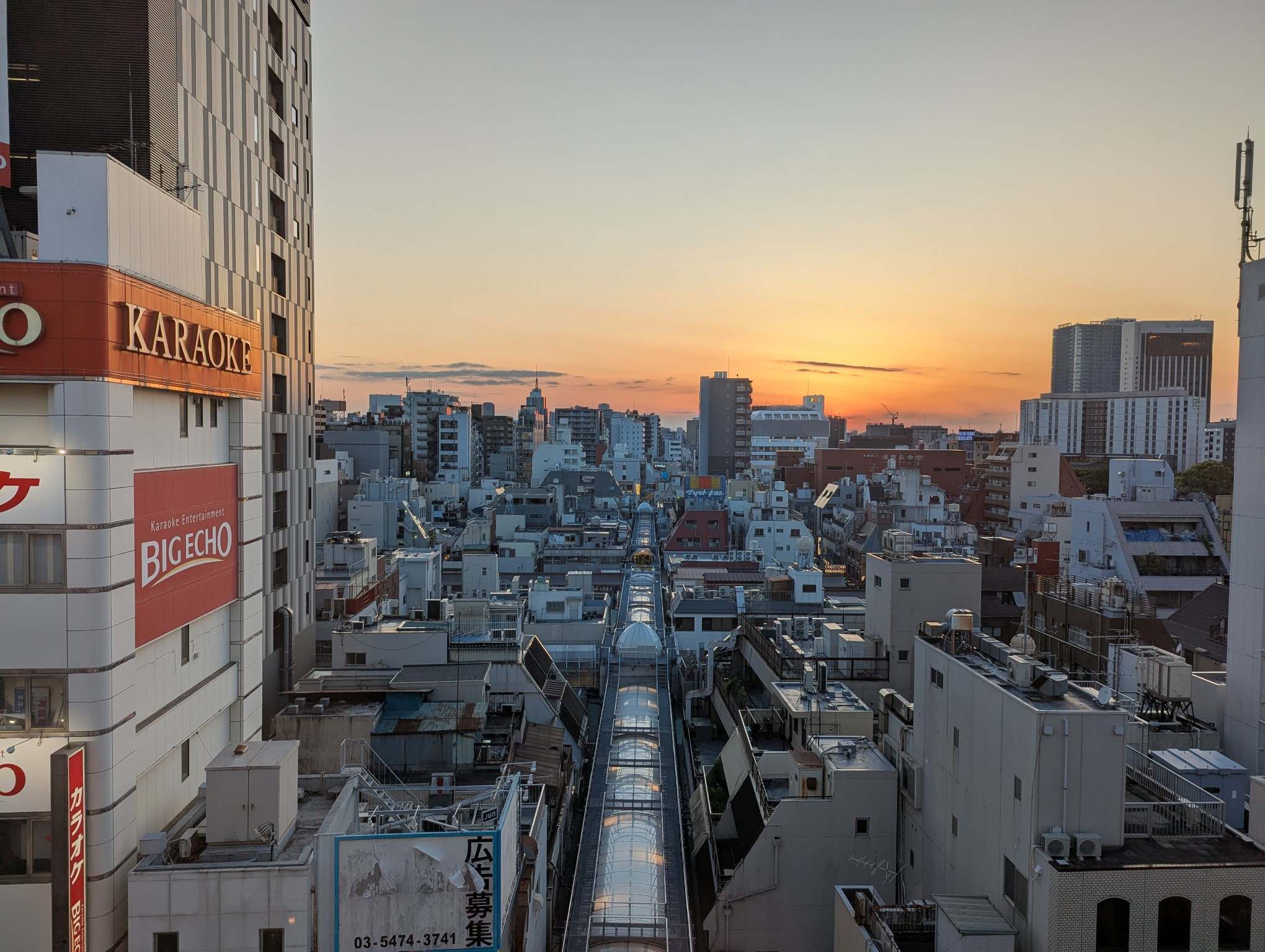
With a successful hunt, we headed back to our hotel to look for something to eat.
Speaking of food, we didn’t find as many restaurants as there are actual stores on the street. For our choice of the evening, the shop was dark and closed (contrary to what Google showed us). We later figured out that there is a distinction between restaurants and small, specialized eateries (For ramen-shops it is ramen-ya (ラーメン屋)). The former is what we were searching for, and the latter is what we found and went to.
As an alternative, we decided to go to a ramen place down the street, where we had an interesting experience ordering food and drinks and observing how ramen is prepared in Japan. Instead of ordering from the staff or from the table, there was an old machine with rows and columns of buttons to select dishes and drinks.
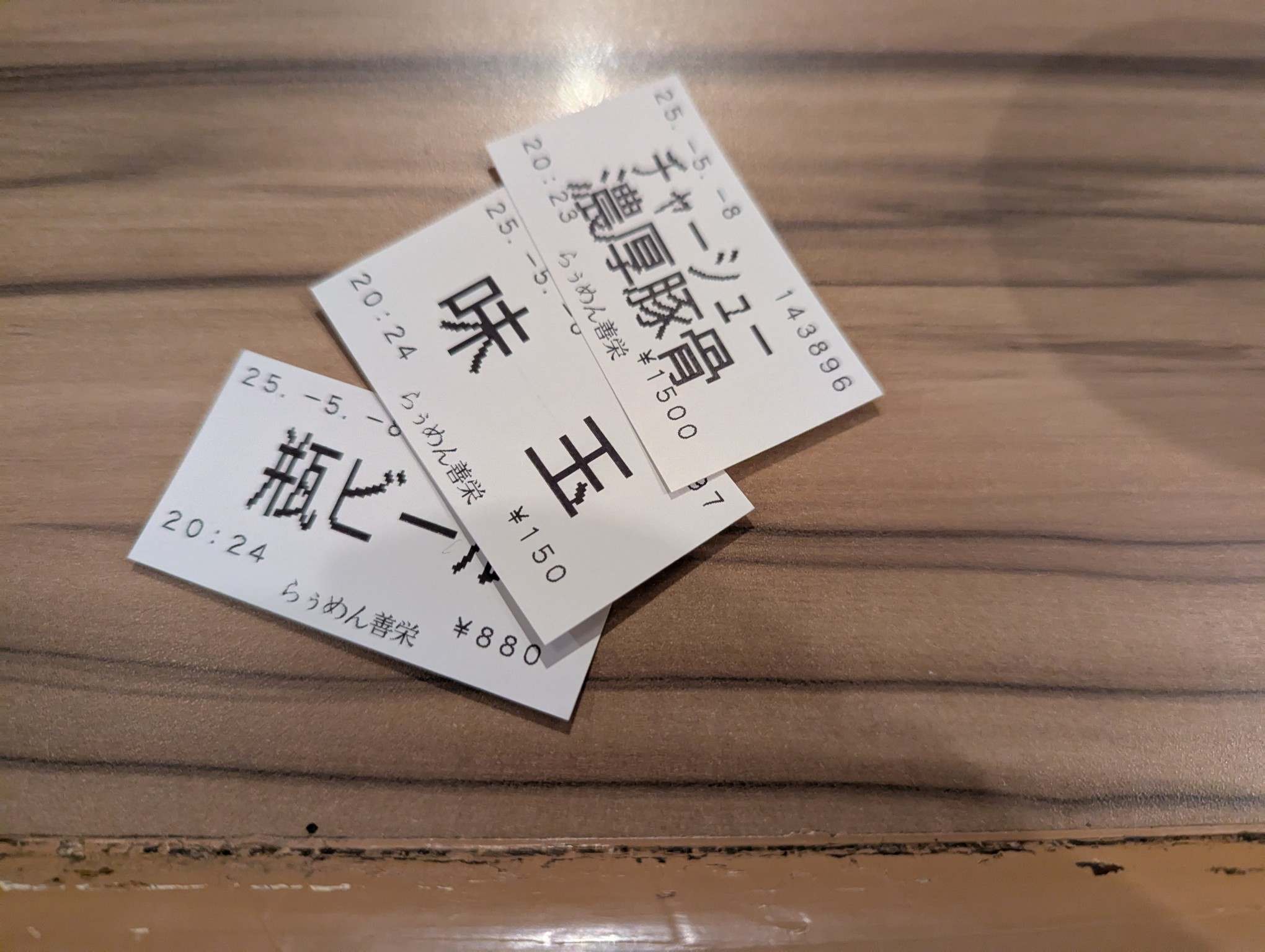
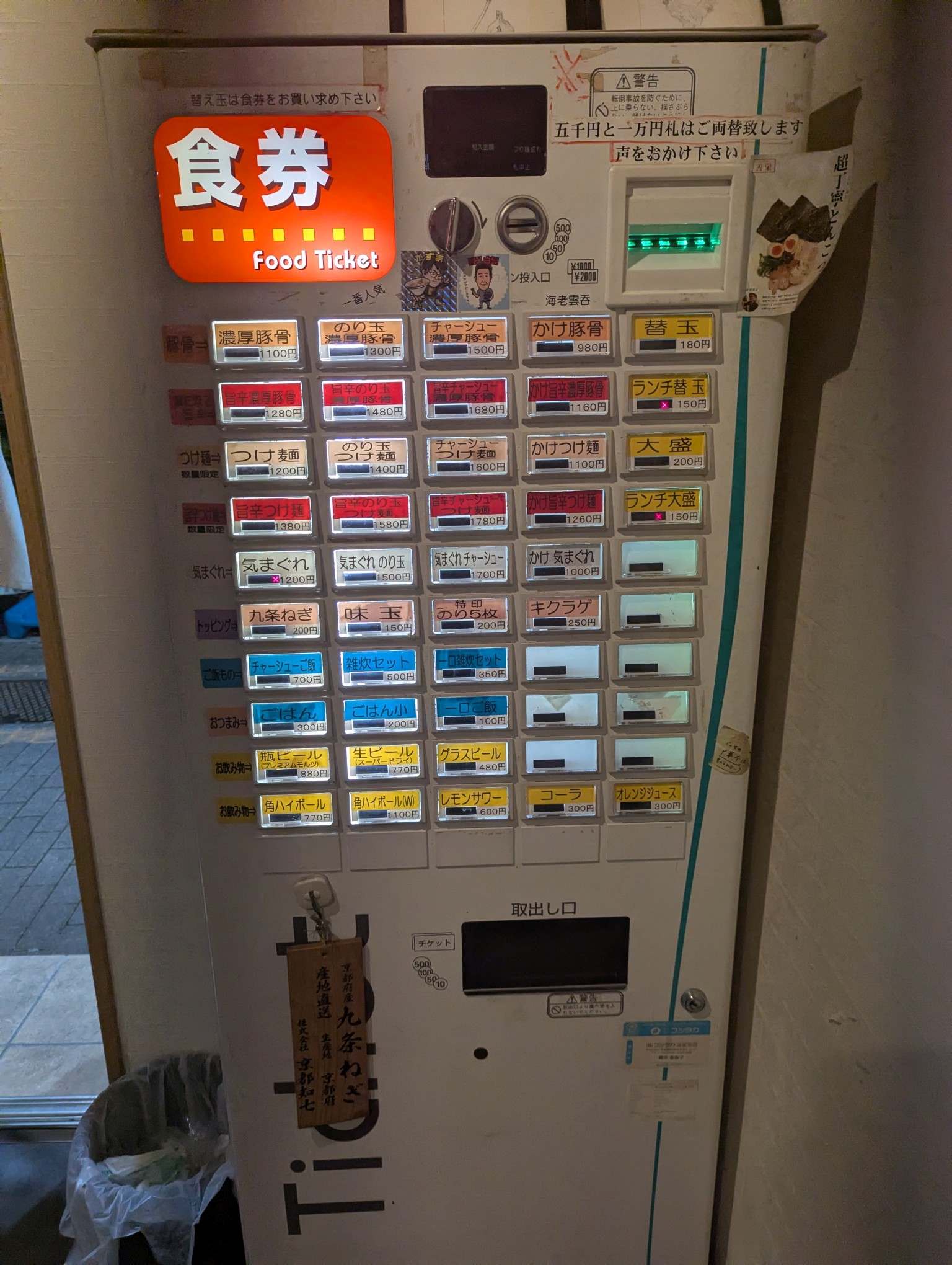
First, we had to figure out if we had enough cash for dinner, and then we had to figure out how to operate the machine. After placing the order, we received slips of paper confirming the purchase. These slips were given to the cook, who was the only person working at the ramen shop. He prepared our meals, and we had some really delicious ramen.
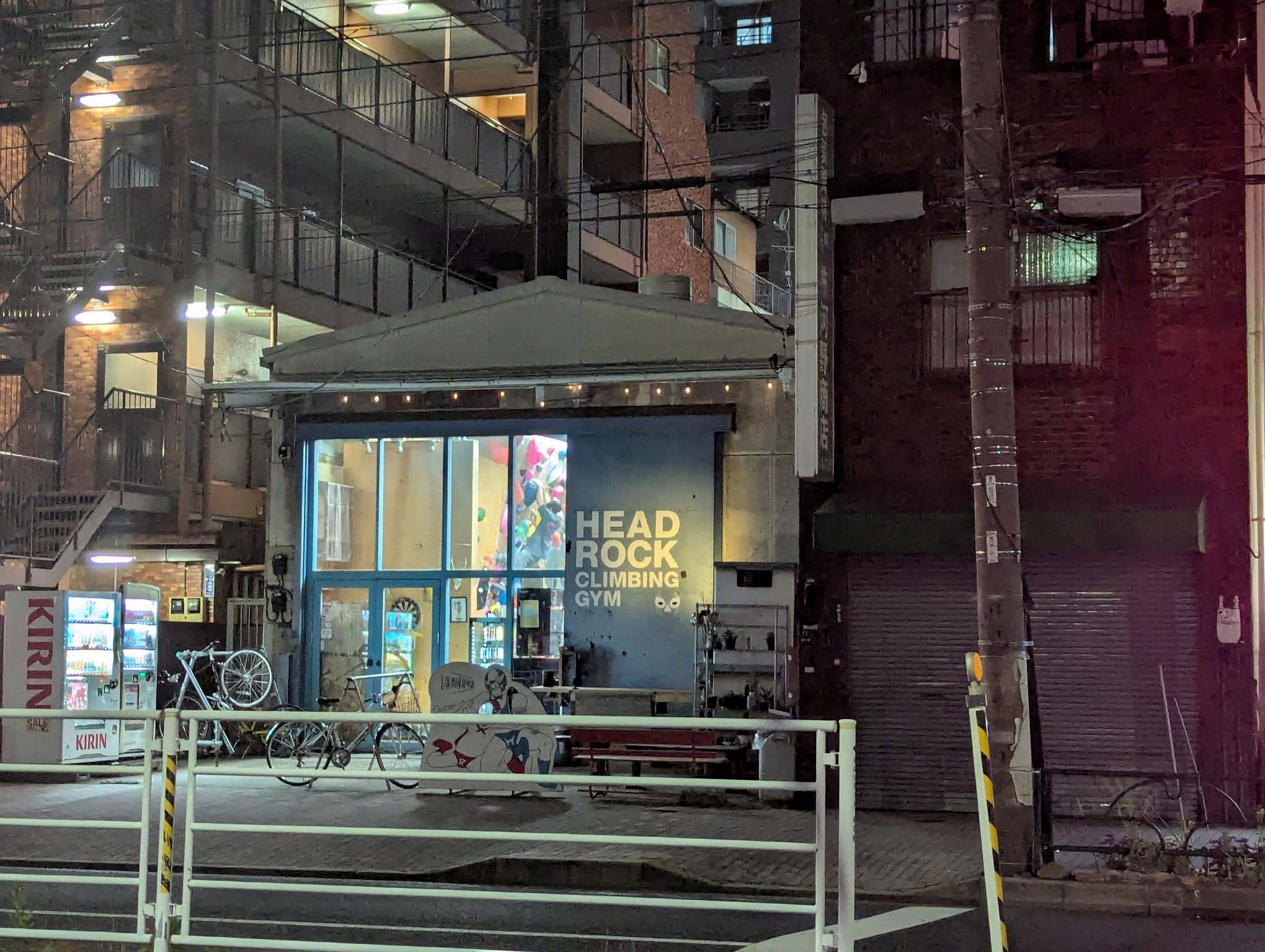
Finishing our dinner, we chatted with the proprietor since we were the last patrons of the night. Overall, it was a great ramen experience. The ramen was spicy just right, and the soup base was delicious.
The second day, Team Labs and Imperial Palace
On our second day, we had a long-planned event: a visit to the TeamLabs Borderless Experience, which friends had recommended to me. It is an interactive art exhibition featuring lights, sounds, smoke, and mirrors. The exhibition is divided into several rooms, some of which you have to find yourself as they are a bit hidden in the maze of rooms.
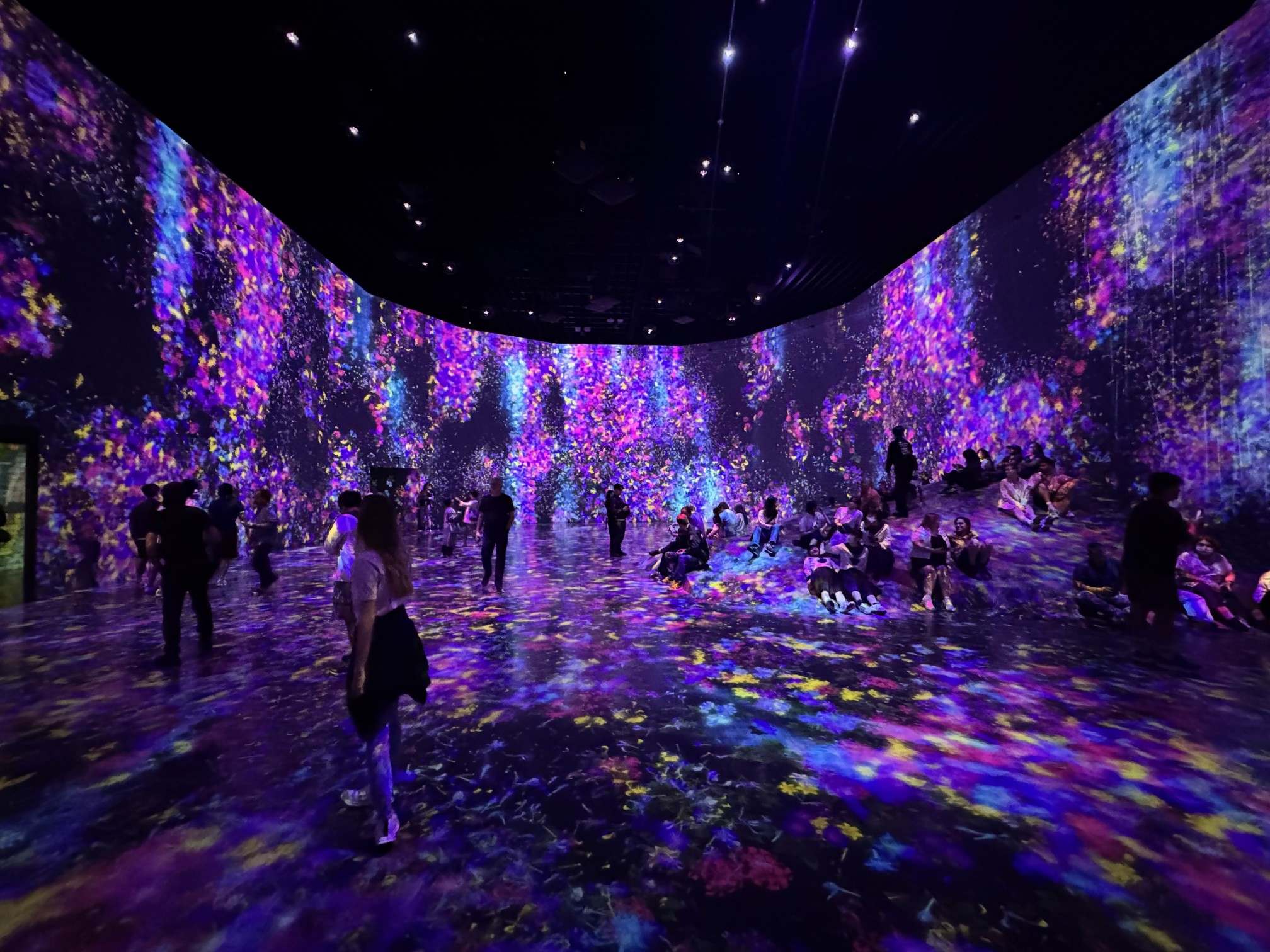
After entering, you are led through a confusing maze of blooming flowers. If you take a right, the maze opens up into a large room with a waterfall projected onto the wall, as well as a small hill you can climb and sit on.
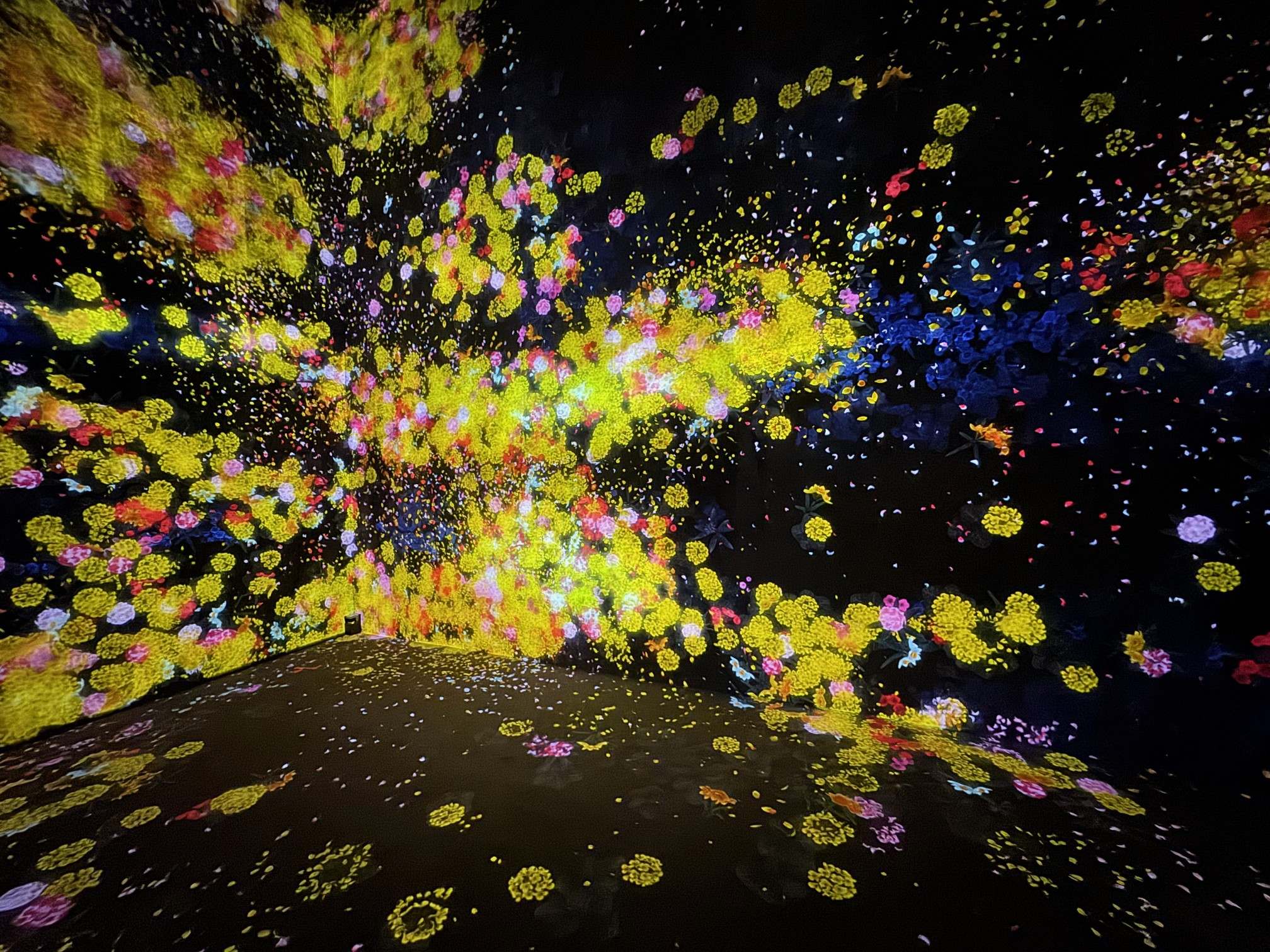
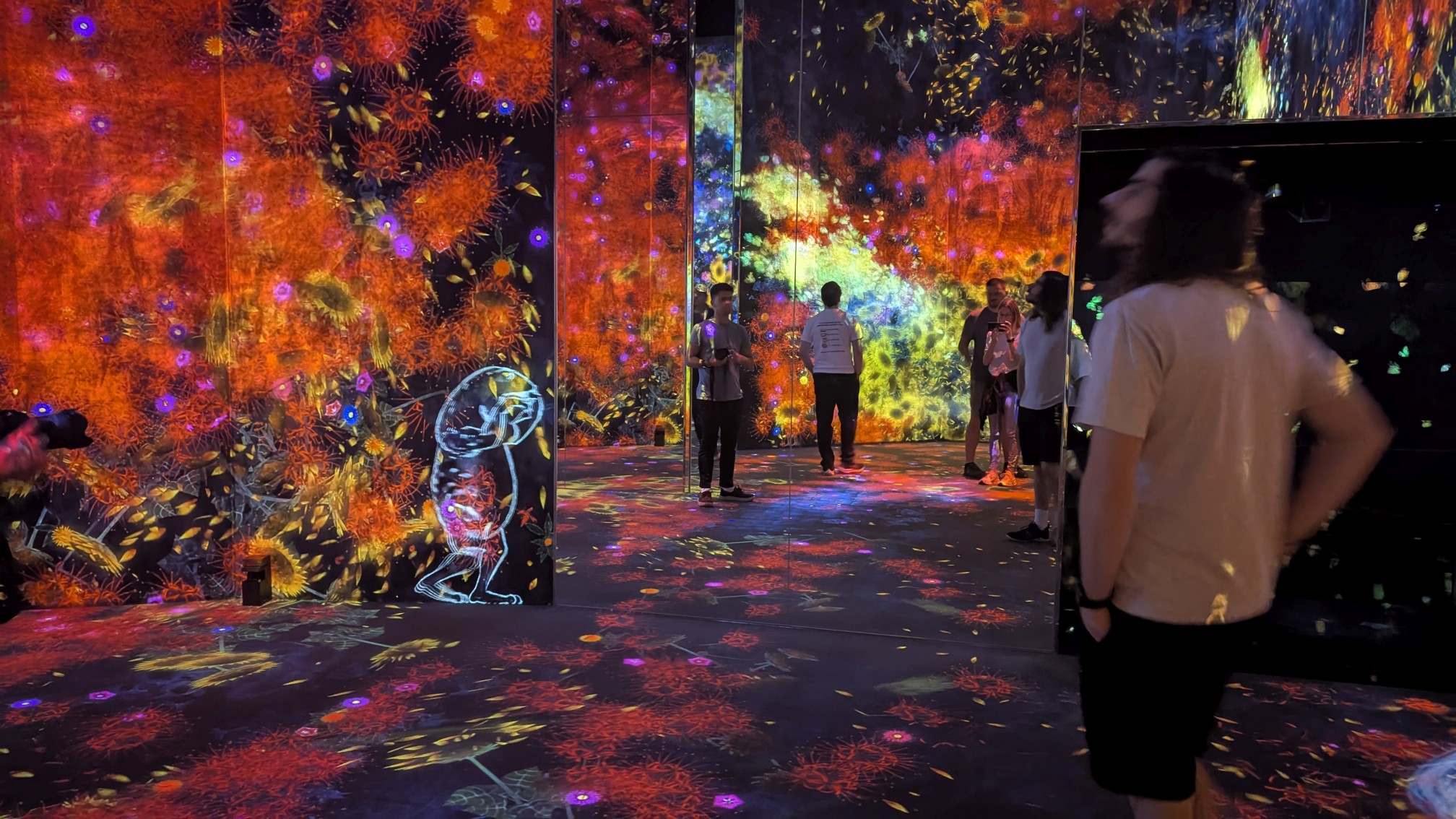
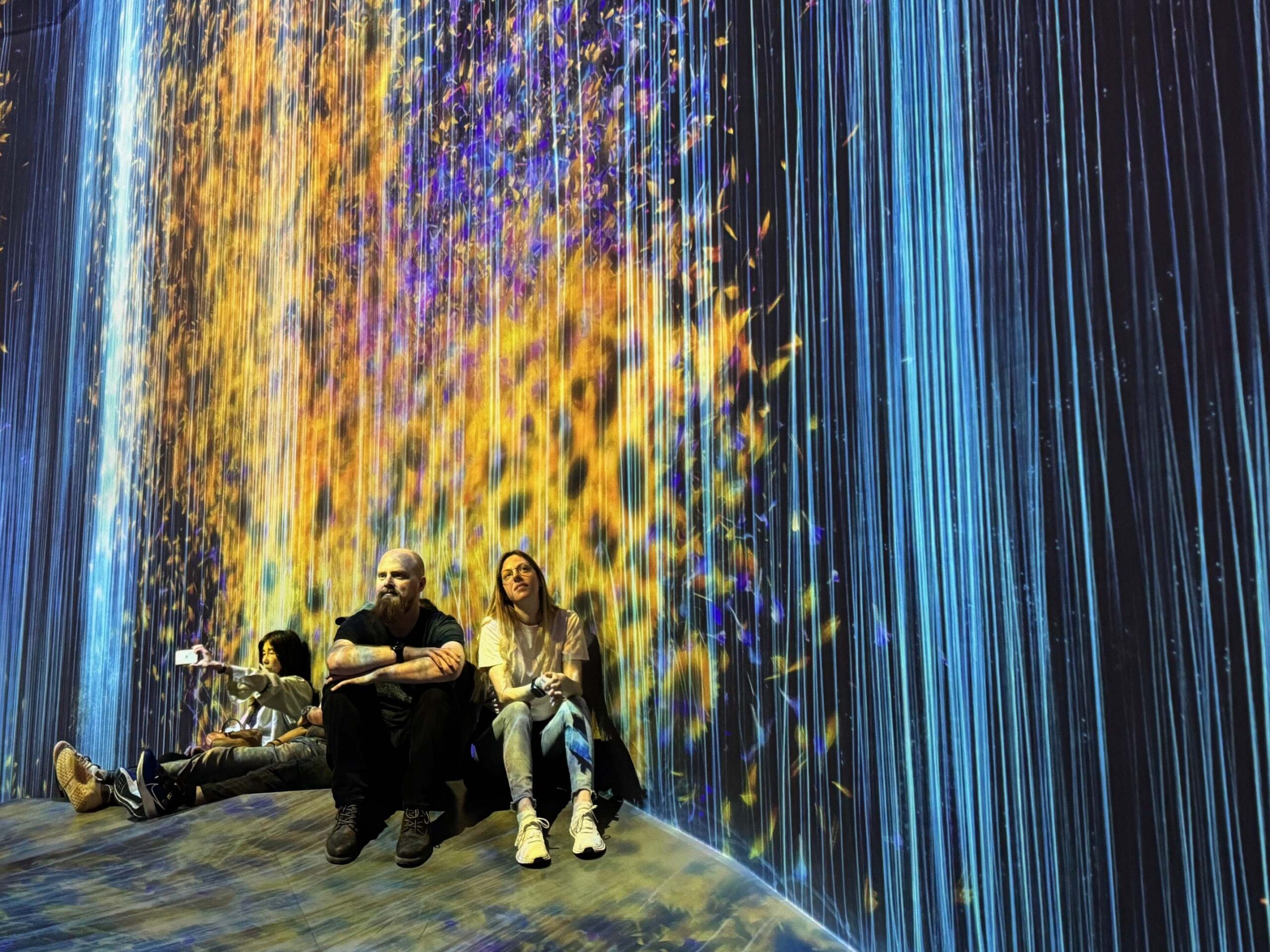
Another room was decorated with large flowers, resembling a cornfield. After walking up a slope with the pedals looming above, the room opens up to a field of knee-high flowers. To me this was the most amazing room as I liked the way the room was build.
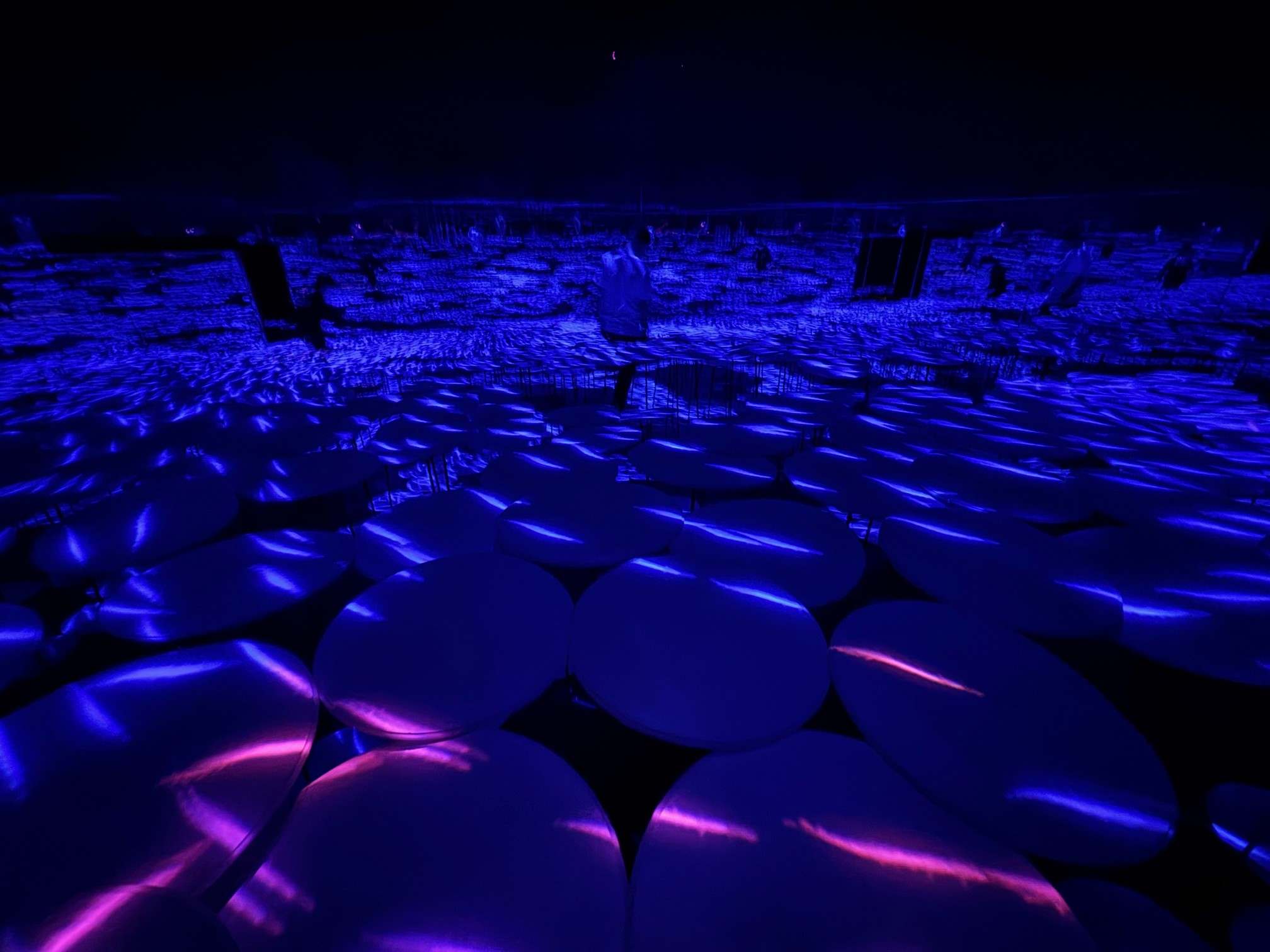
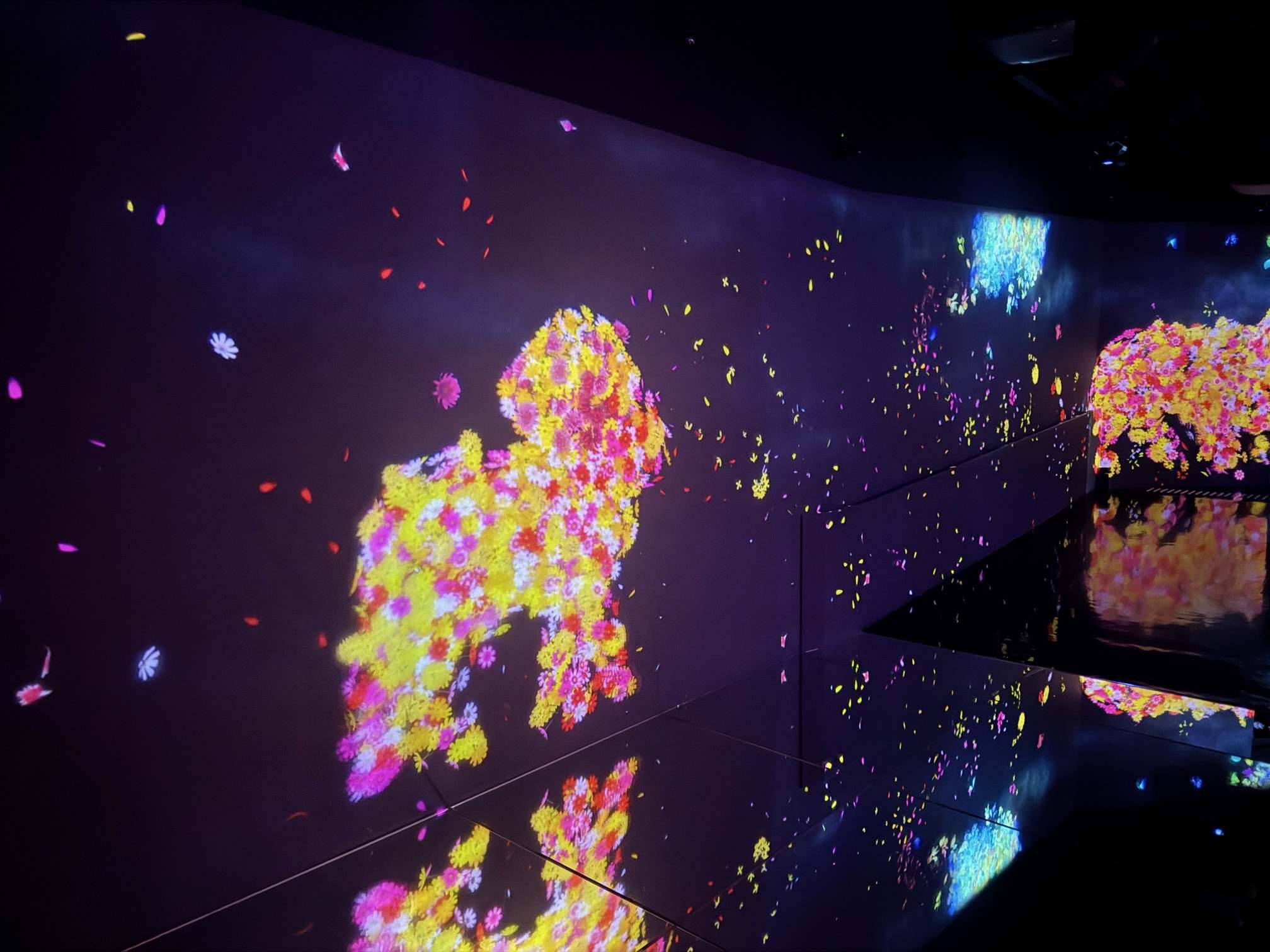
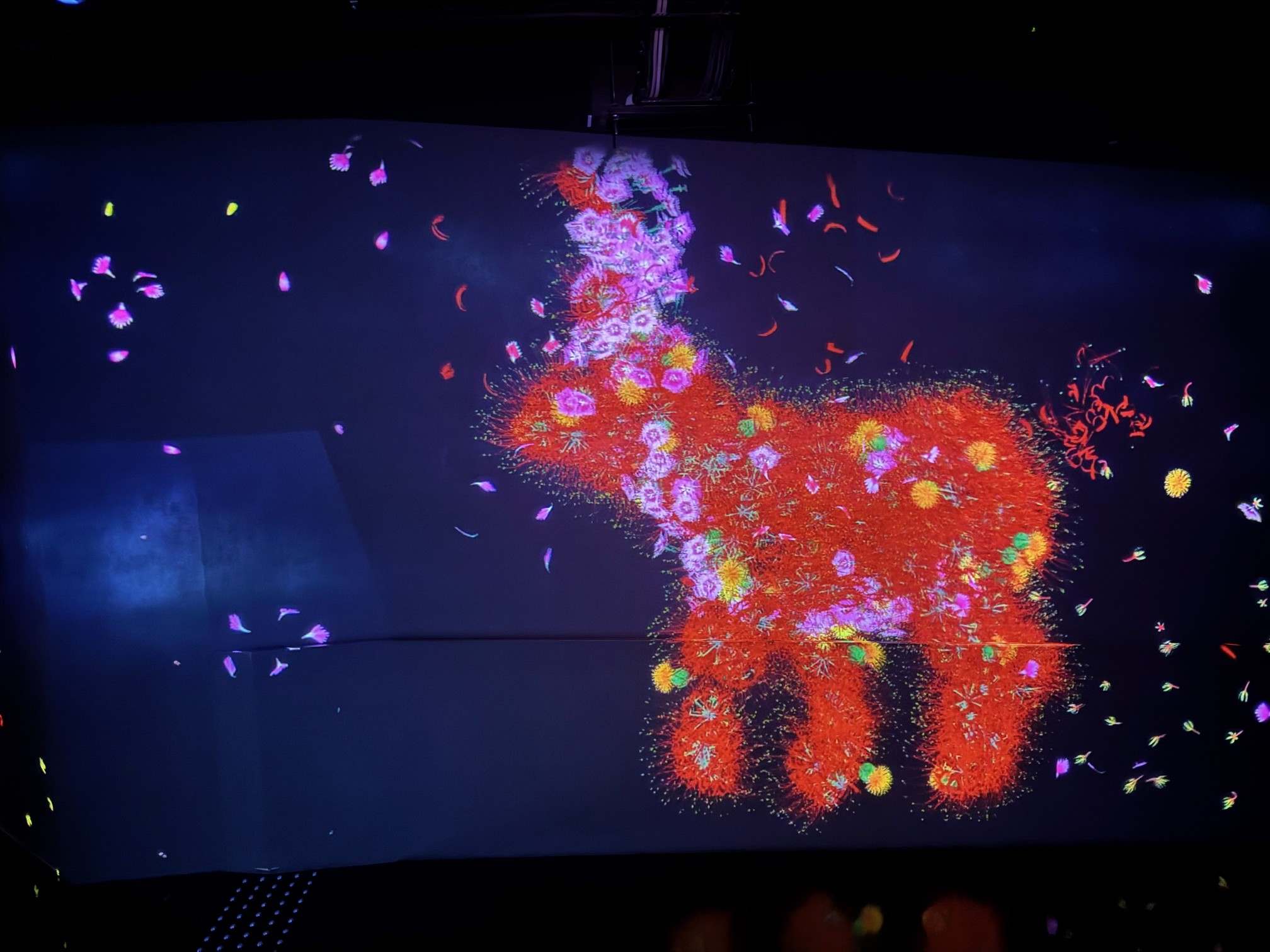
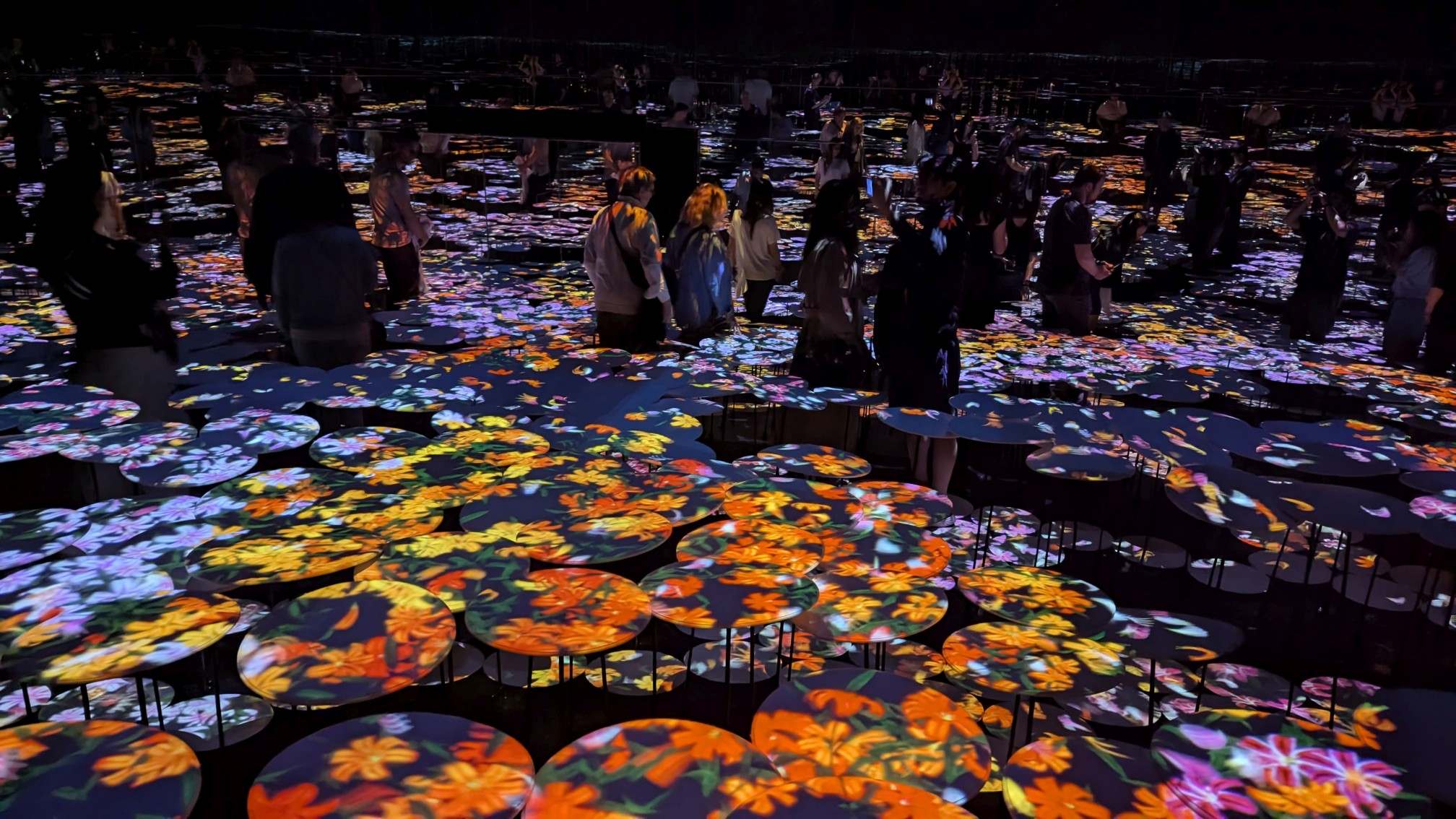
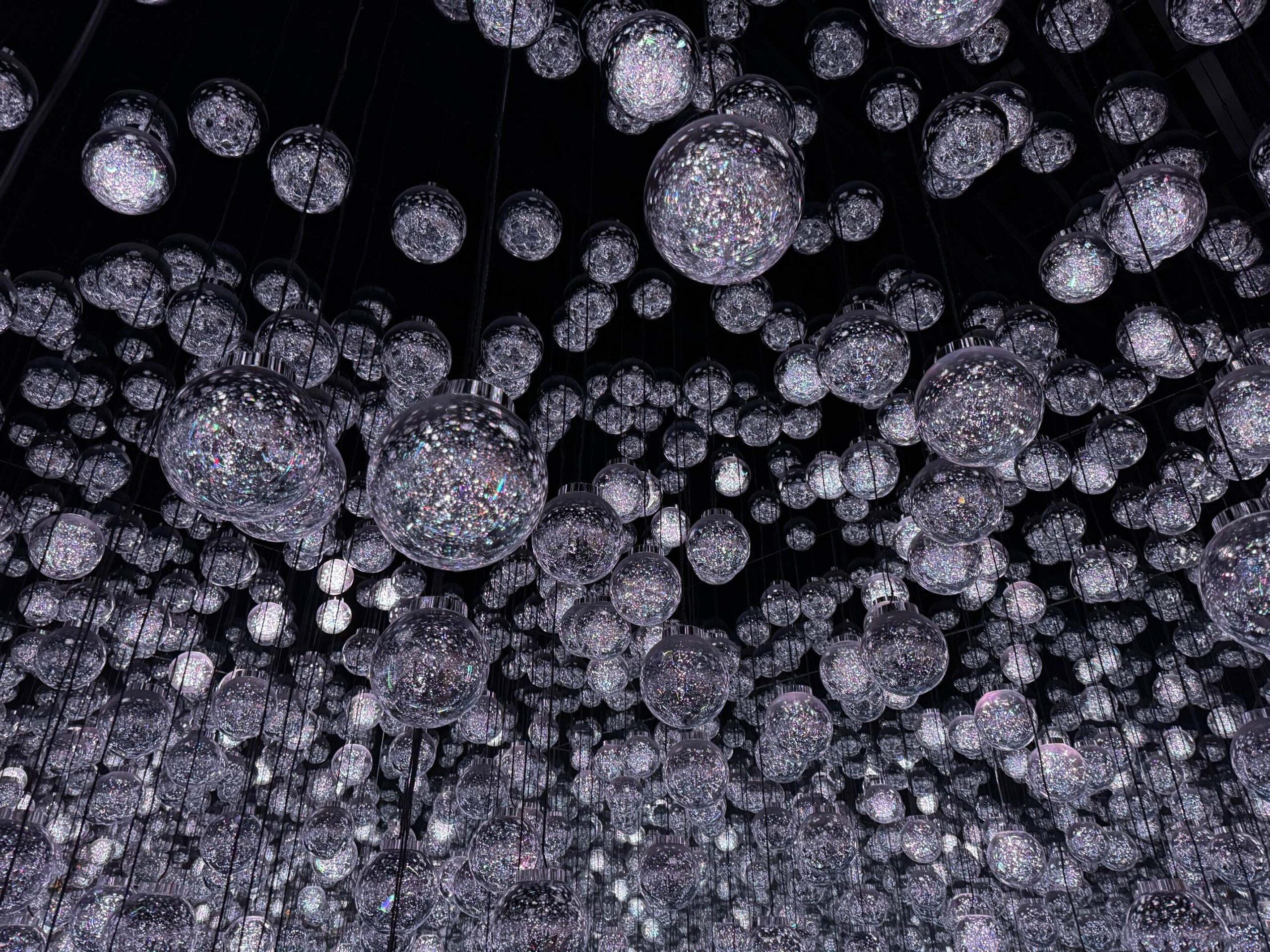
Other rooms were equipped with mirrors on every surface, and lightbulb-like spheres floated in the room, giving the illusion of infinite space.
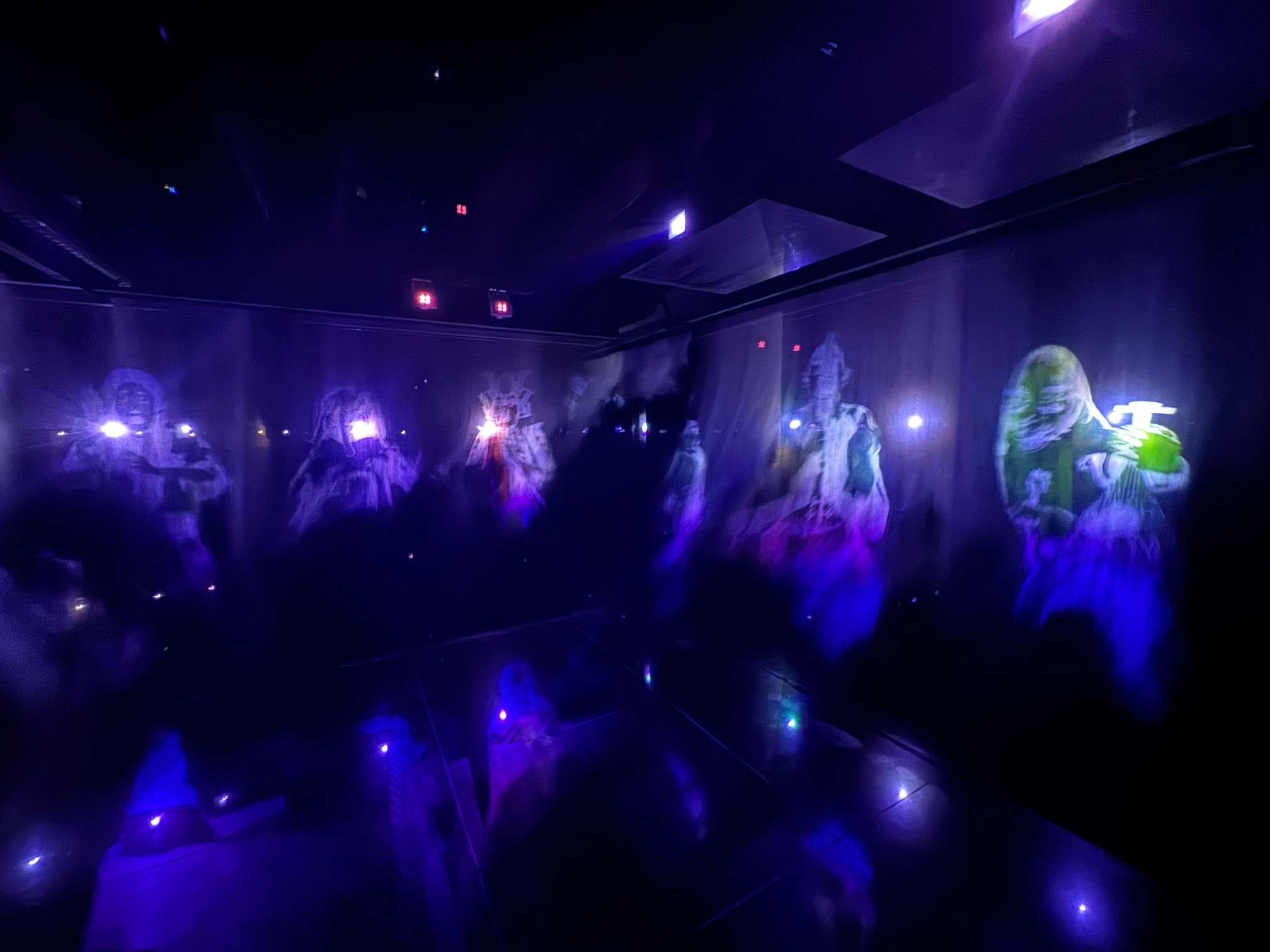
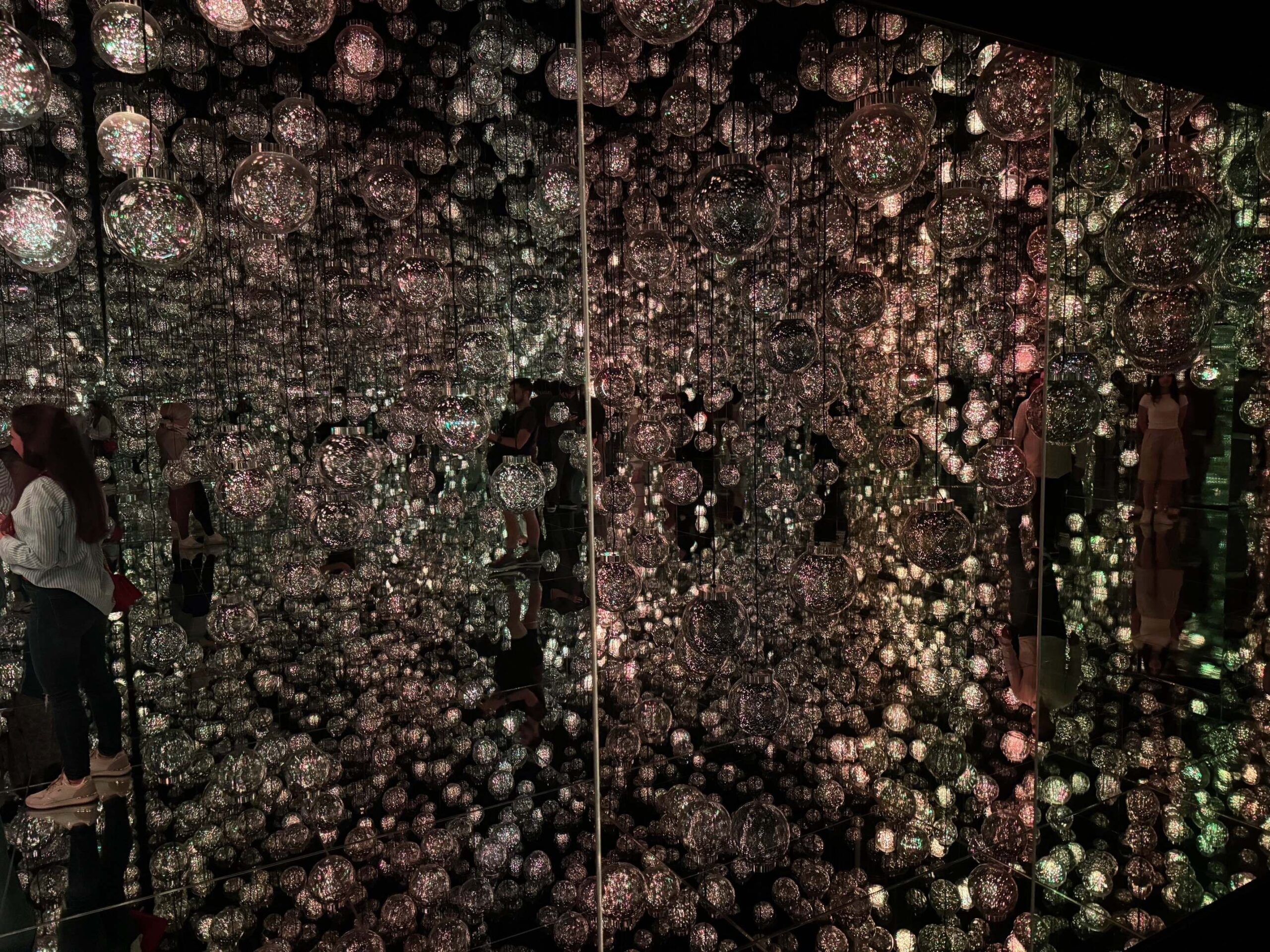
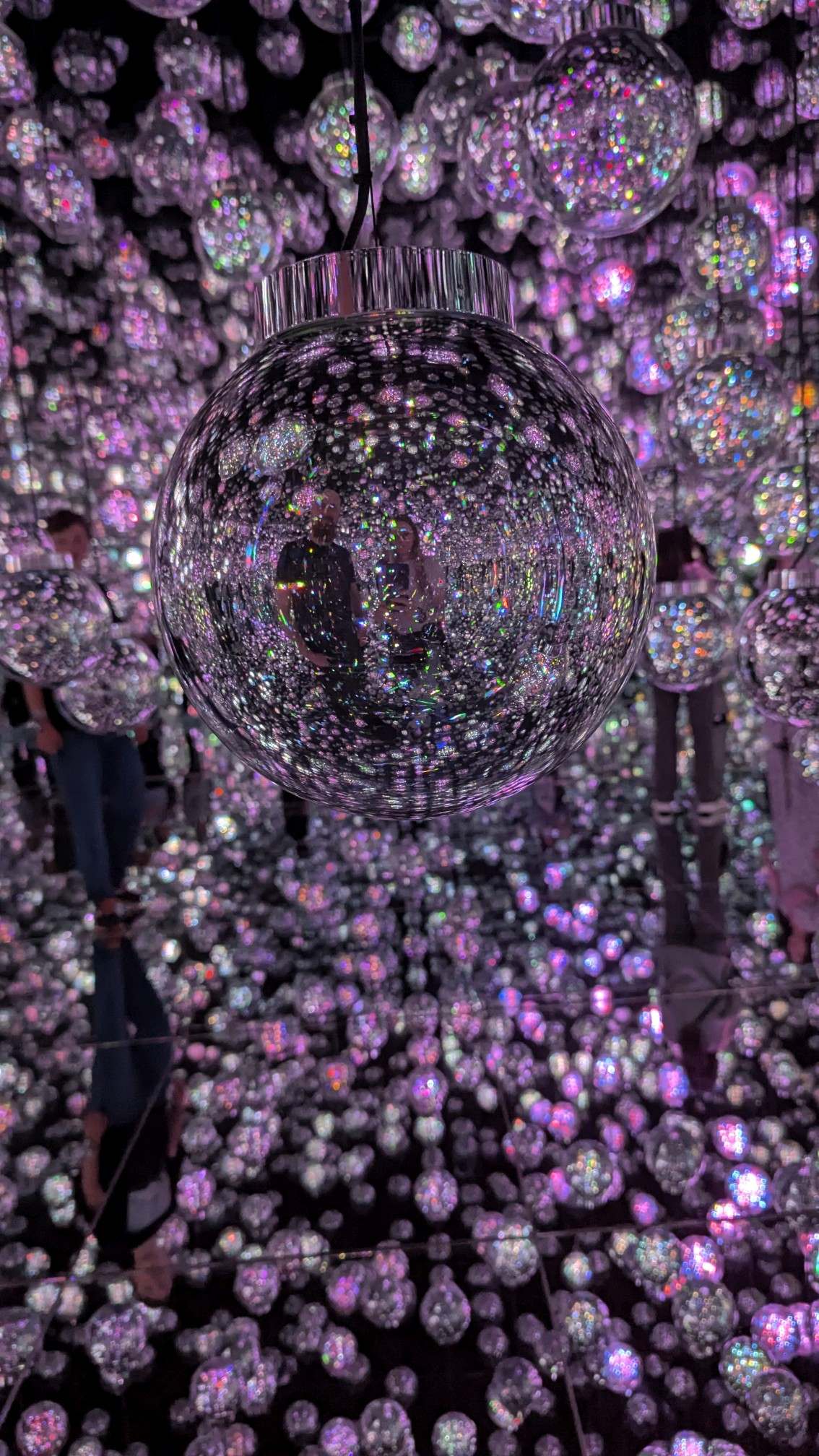
One room had mist machines installed on the ceiling, and projectors played a musical performance by cartoon frogs and rabbits, who had previously marched through a corridor toward the mist-filled room.
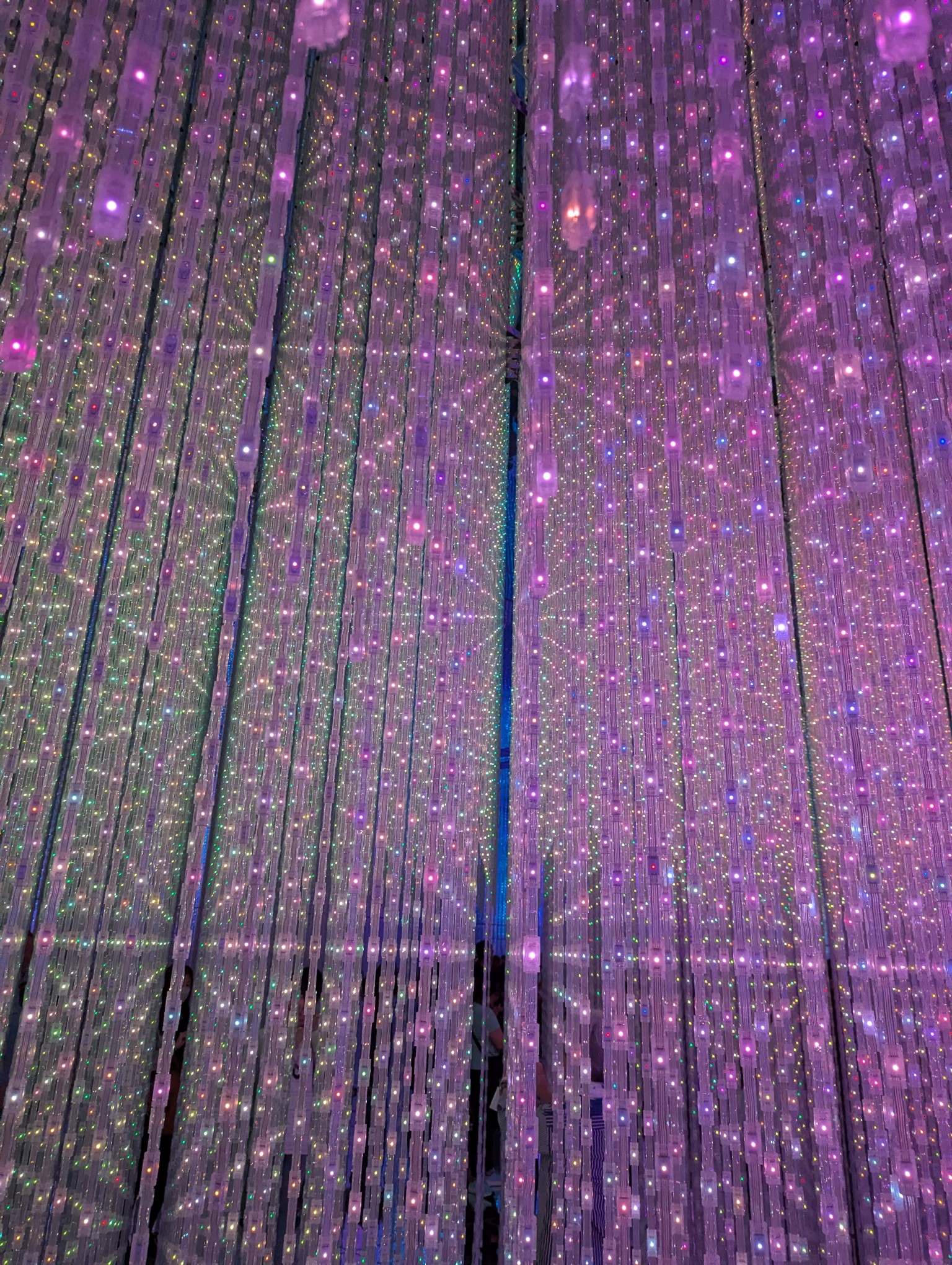
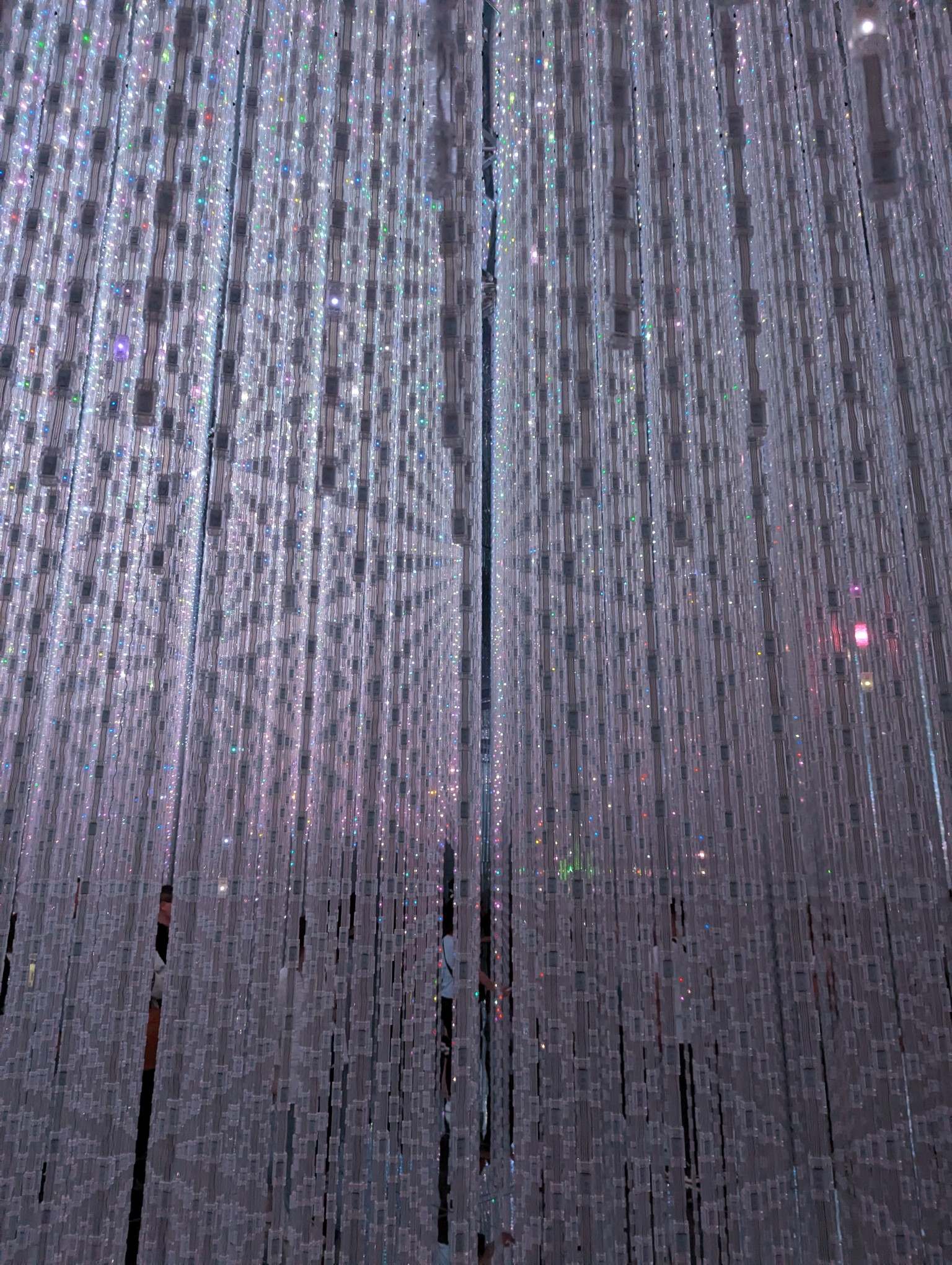
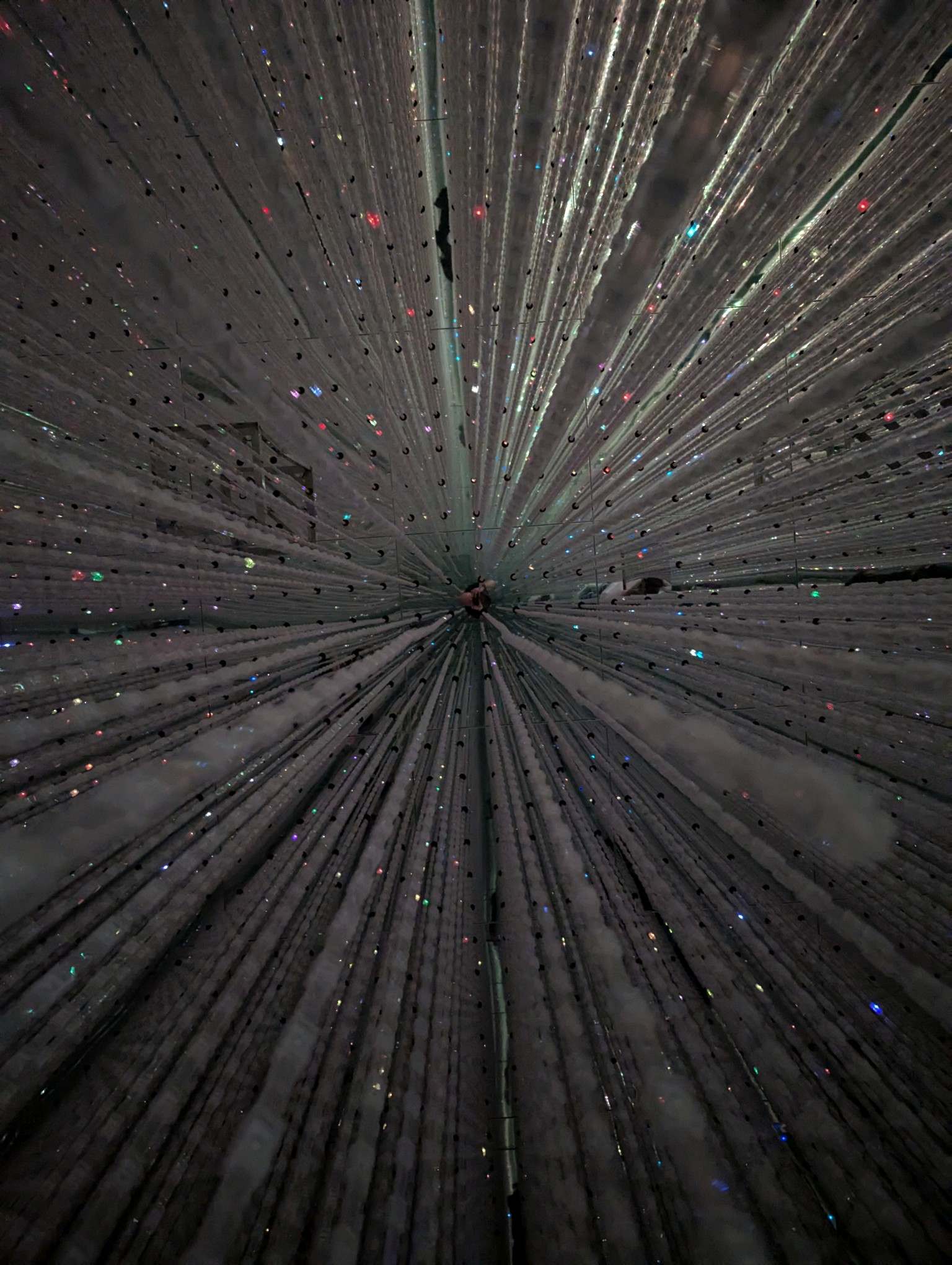
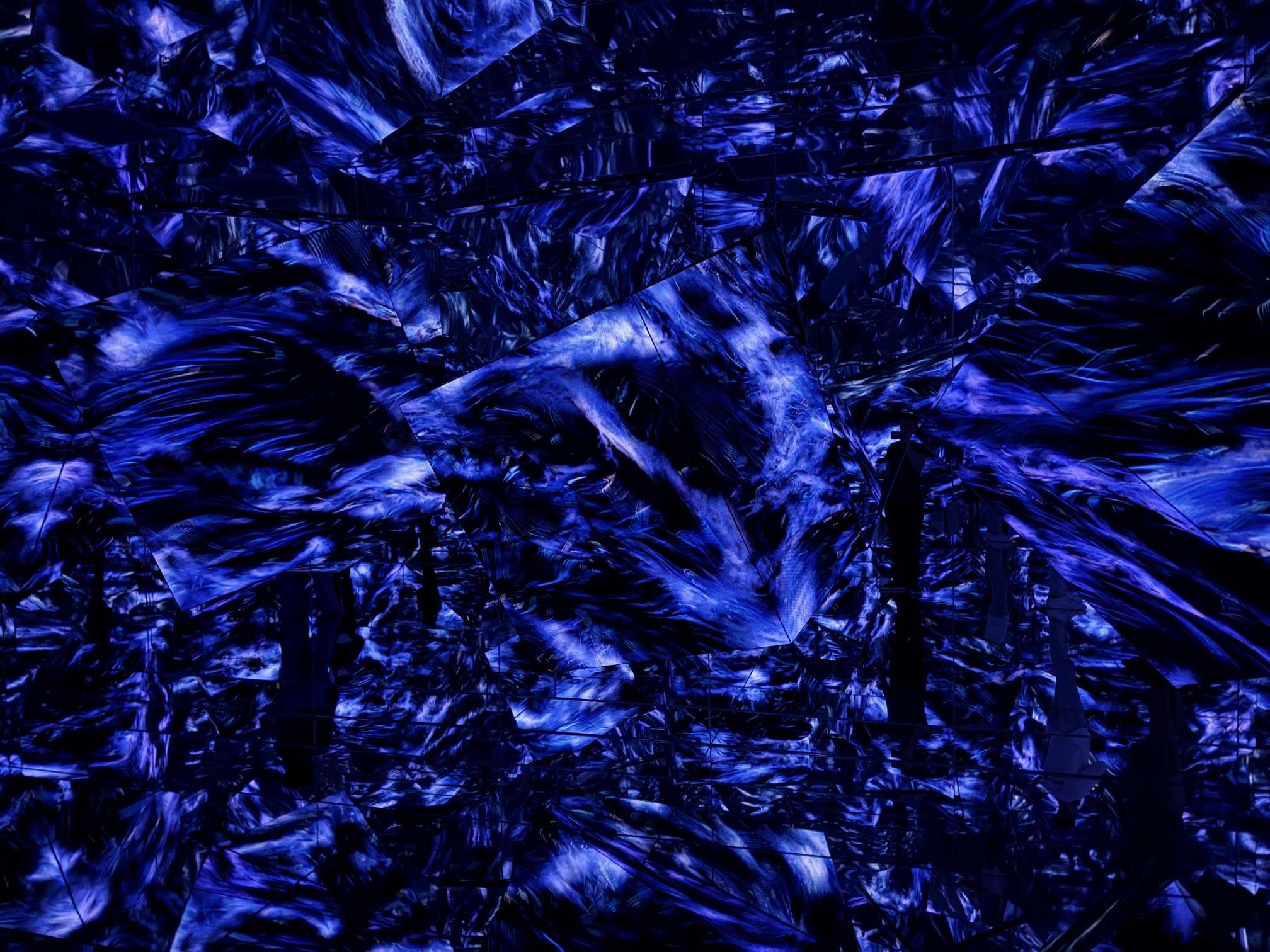
The art was really immersive and well worth a visit. We spent around two and a half hours at the exhibition, which included a tea ceremony. During the ceremony, a camera system detected the location of the teacups, and a projection system displayed a flower on the teacup’s surface. Once the cup was removed, the flower would disintegrate, but grow again once the cup was placed back on the table.
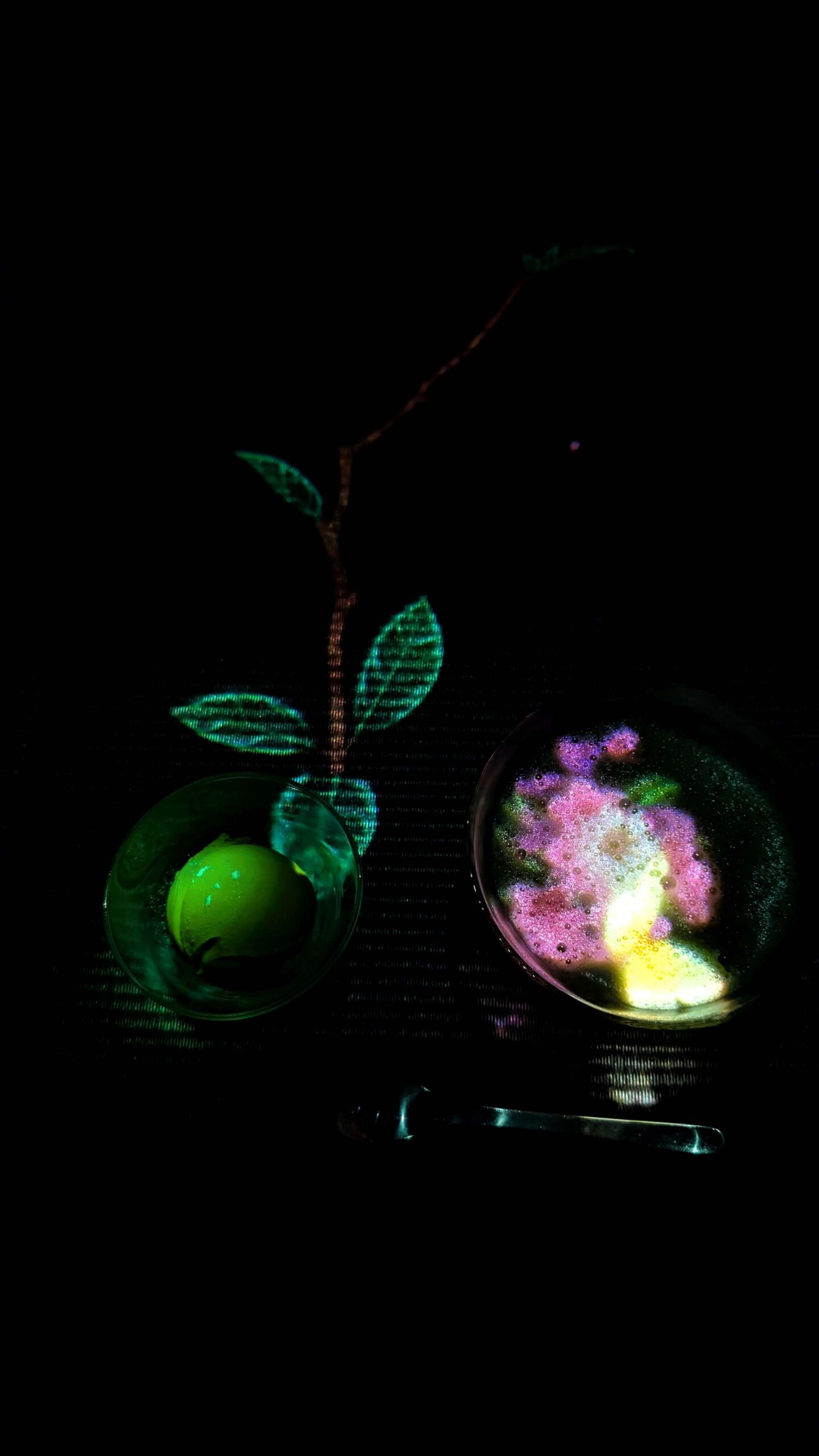
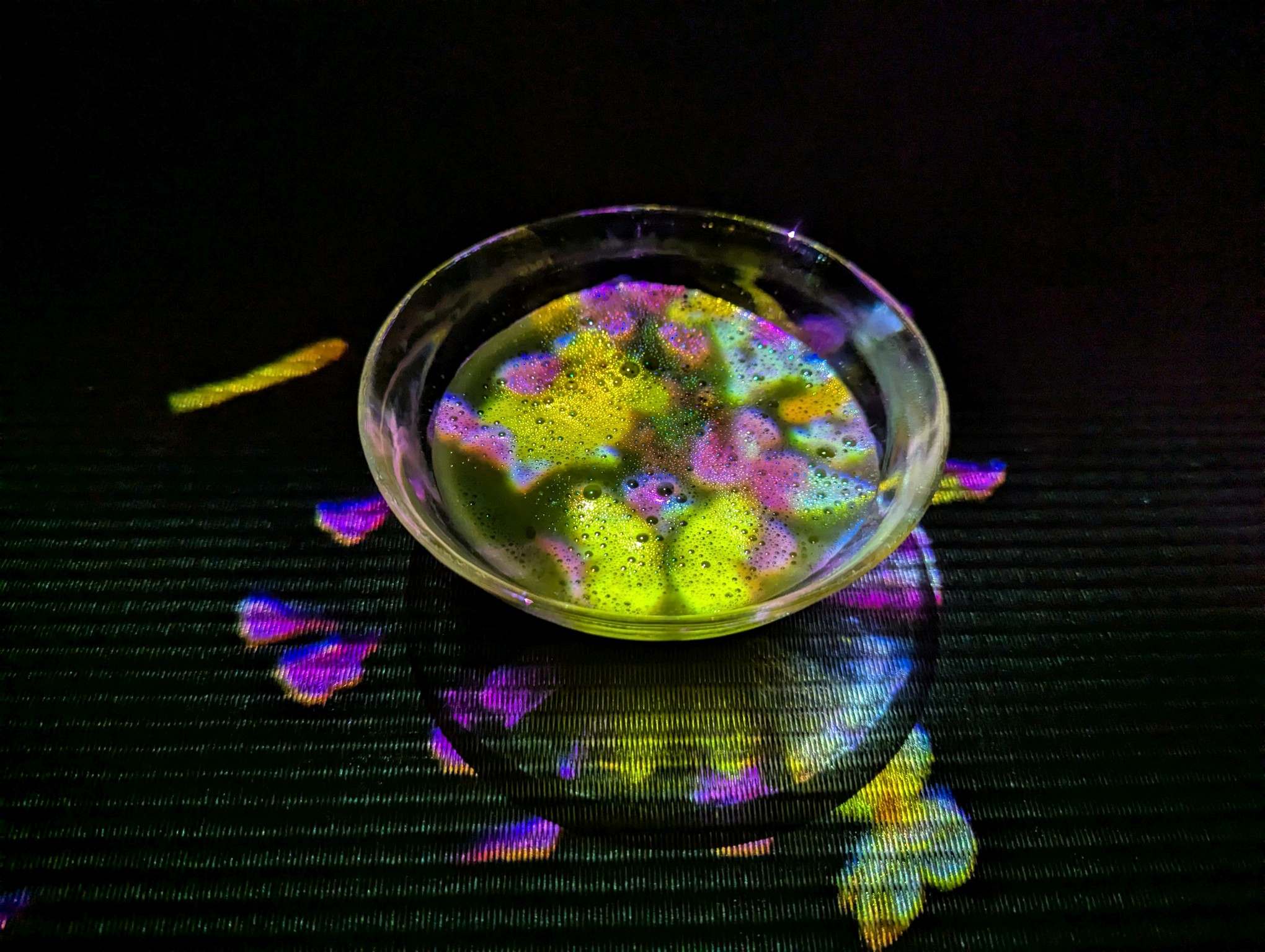
After leaving the Borderless experience, we explored the shopping mall and the modern living complex where the exhibition was located. It’s a neat concept in general, as it combines living, working, and other services all under one roof, but the place was huge and the shops were more expensive.
The complex was built on a hillside and thus had several floors. As the top floor housed a post office, we had to take the escalators all the way up to send our postcards. For the record, sending postcards was cheap compared to sending them from Germany. We only paid 100 ¥ for one postcard to Germany, which amounts to 0.60 €. On the way up, we passed some souvenir shops and took the opportunity to buy some.
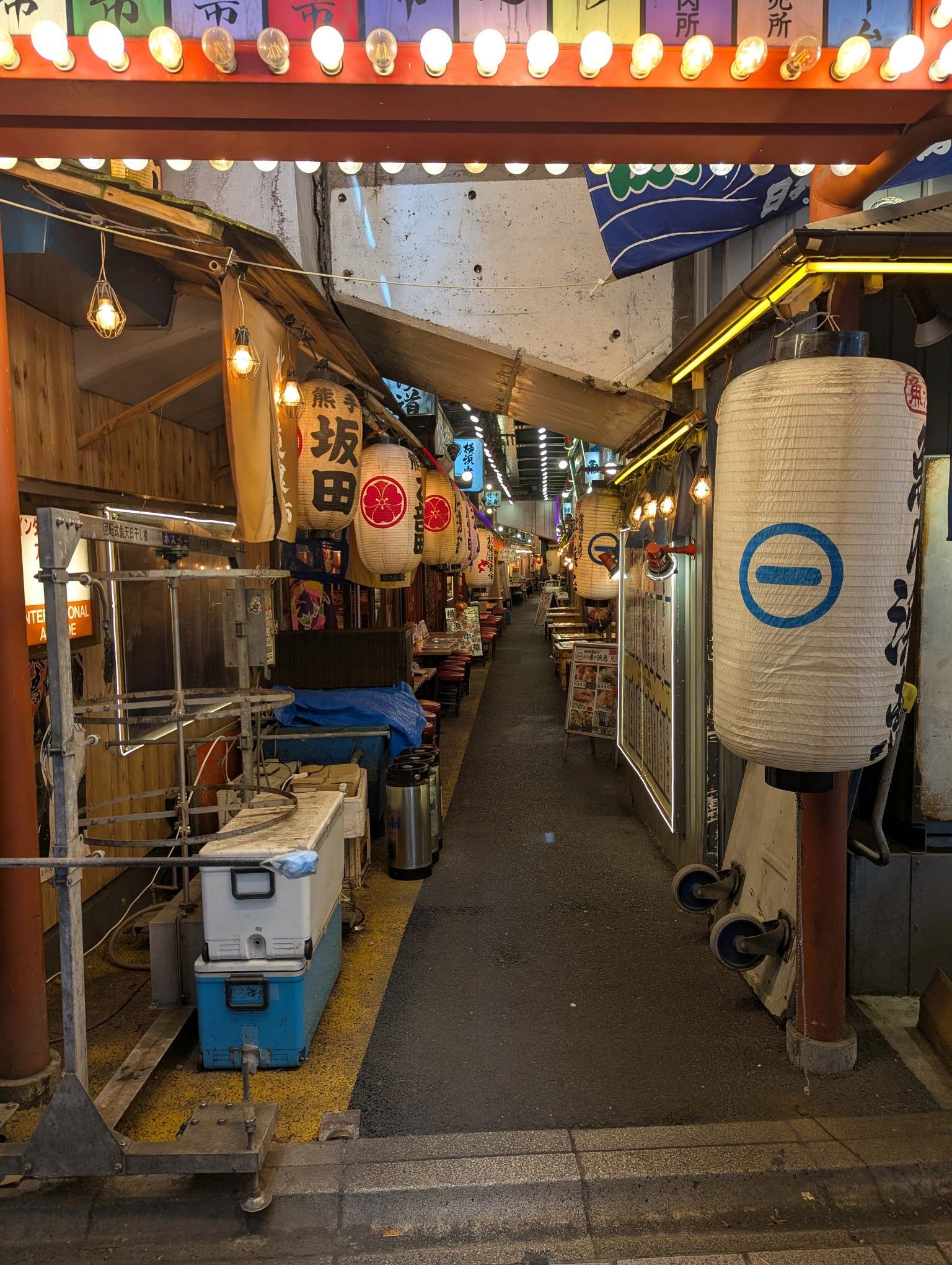
Next task was to find a place to eat. After looking around, we decided on a nearby place, but we couldn’t find it. This led us on a wild goose chase under the train bridge, where there were many food options, but most had not opened yet. Ultimately, we found a different hidden lunch spot that served a set menu. It consisted of rice, miso soup, and fried tonkotsu rolls. The total cost was €10 per person.
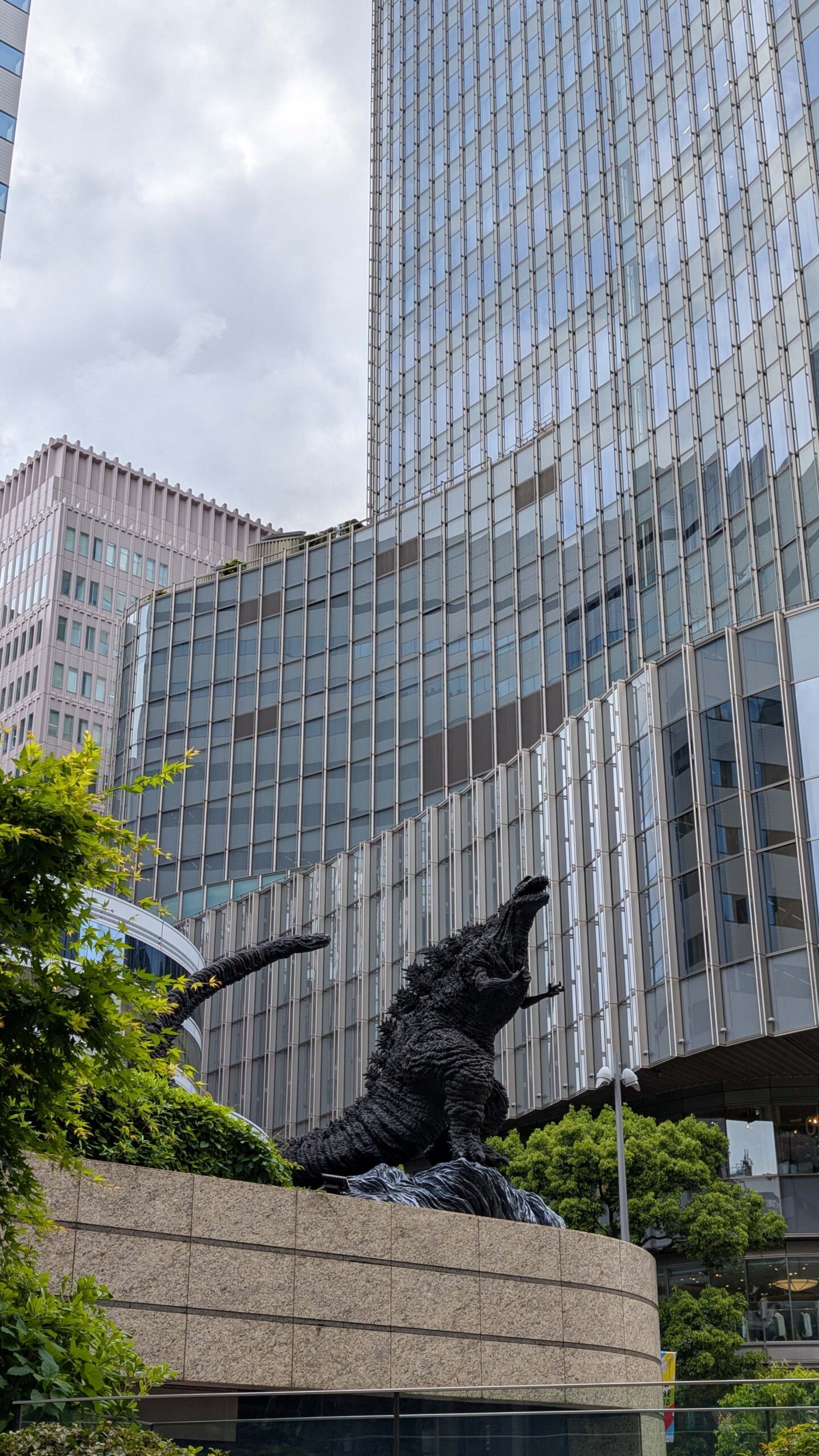
After lunch, we went to another shopping mall to look for clothes and souvenirs. Overall, this place was expensive because it was a high-society location.
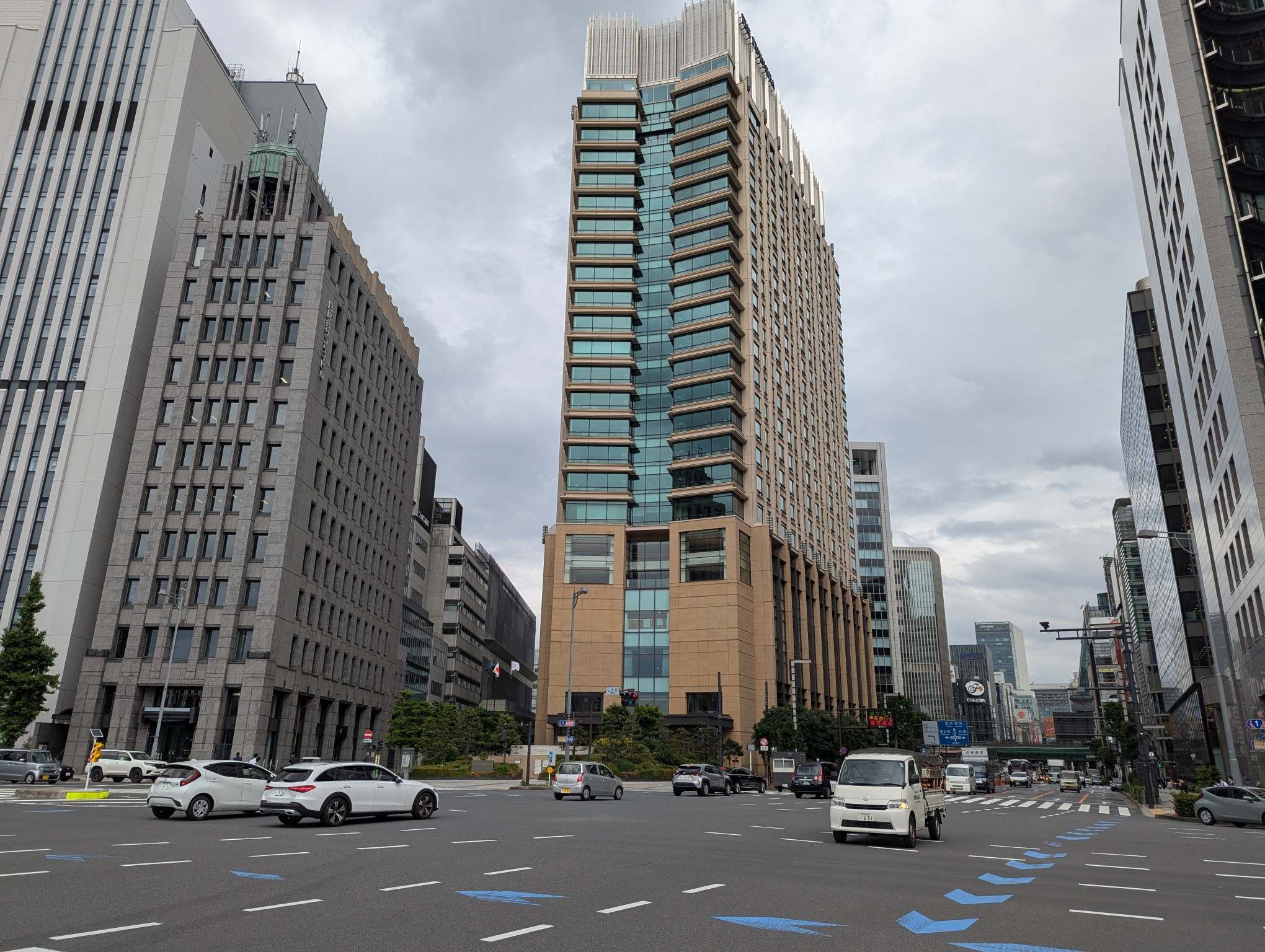
After looking around for a while, we decided to get coffee before continuing on. Since there was a coffee shop in the mall, we decided to check it out. Unfortunately, it was not what we expected. The name „coffee“ was just a suggestion, as there was no selection of different kinds of coffee, and the service was somehow absent. We were the only patrons in the store. I’m not sure if it was just the wrong time or what, but they should have paid more attention.
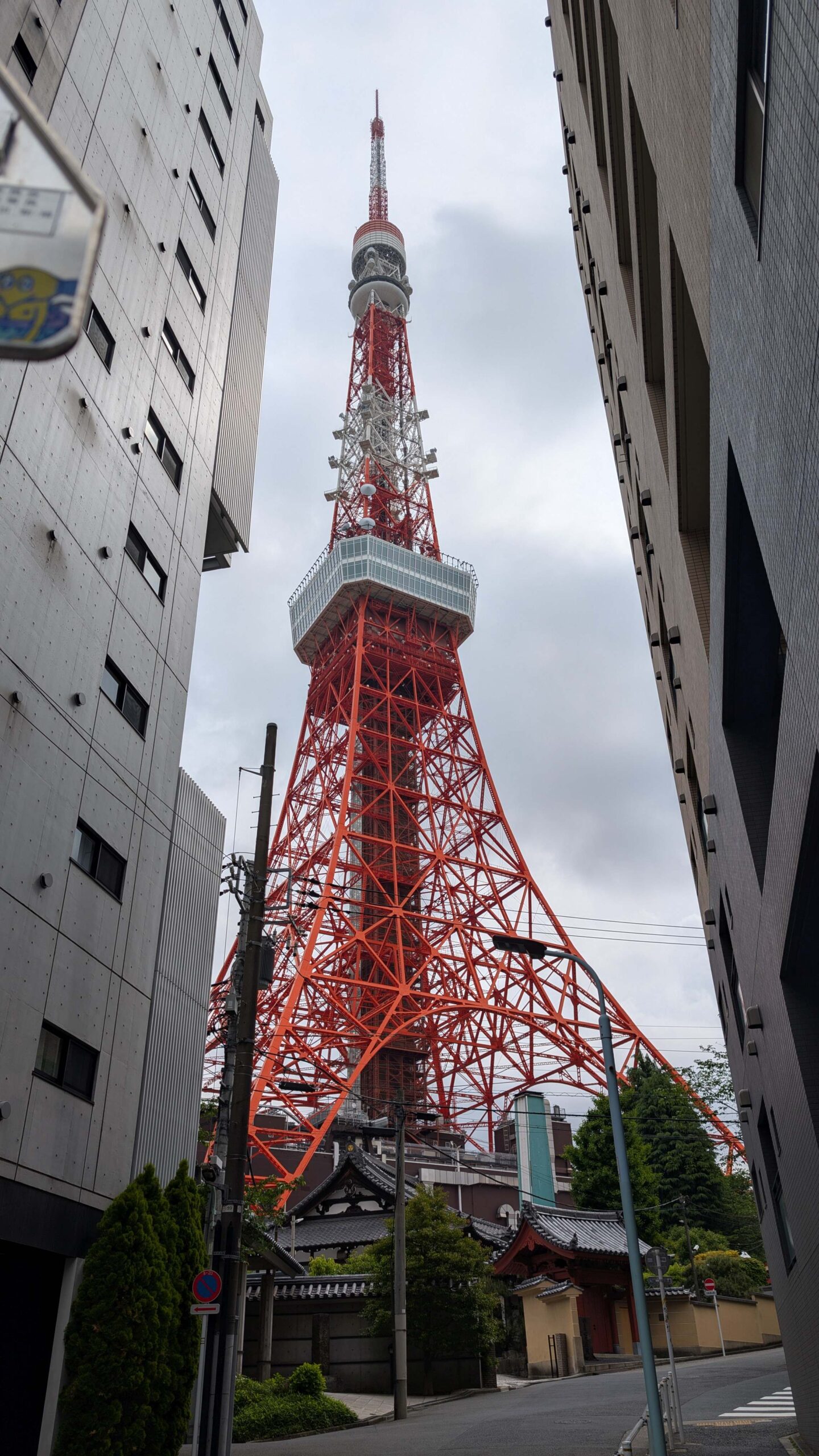
Next, we planned to go to the palace, but we noticed that it was quite a long walk next to a busy road and through a flat, empty park. After reaching the castle gate, we found out that the castle was only open on certain days during the weekend. Since we were visiting during the week, this was a bit of a fail.
A little more research before going to such places would have helped, as demonstrated in the following YouTube video. Ultimately, it helped me find the free viewing platform at Tokyo Station, which I visited at the end of our stay.
Our next stop was a store that sold arts and crafts supplies. We were looking for souvenirs, as you might have guessed. This time, we wanted postcards, a nice fountain pen, and supplies to complete our stamp book. Like other stores we visited during our trip, this store had a small footprint but was seven floors high. Each floor was dedicated to a different category of craft supplies.
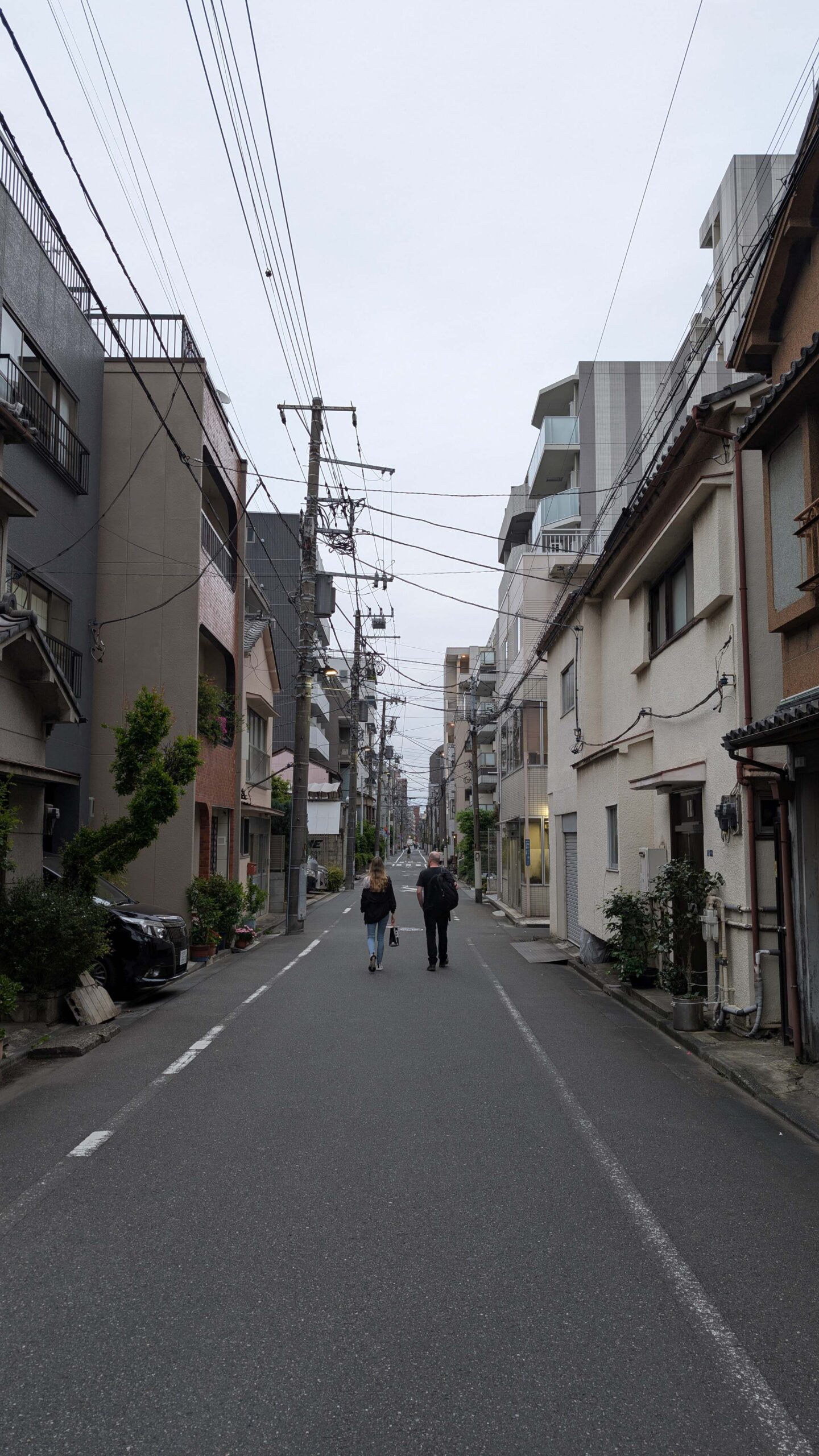
After our shopping spree was done, we decided to call it a day. We went to a nearby train station and took the train back to our hotel. We planned to stop at a supermarket on the way back to grab something to eat.
We chose a regular supermarket, which had a larger selection than the convenience stores we usually went to. We picked out dinner and quickly headed back to the hotel because it started raining lightly. After lunch, we decided to call it an early night to regain energy for the next coming days.
Tempel and Shibuya
The day started with rain, just as the previous night ended. This gave us time to plan the day, sleep in, and work on my drafts for this series.
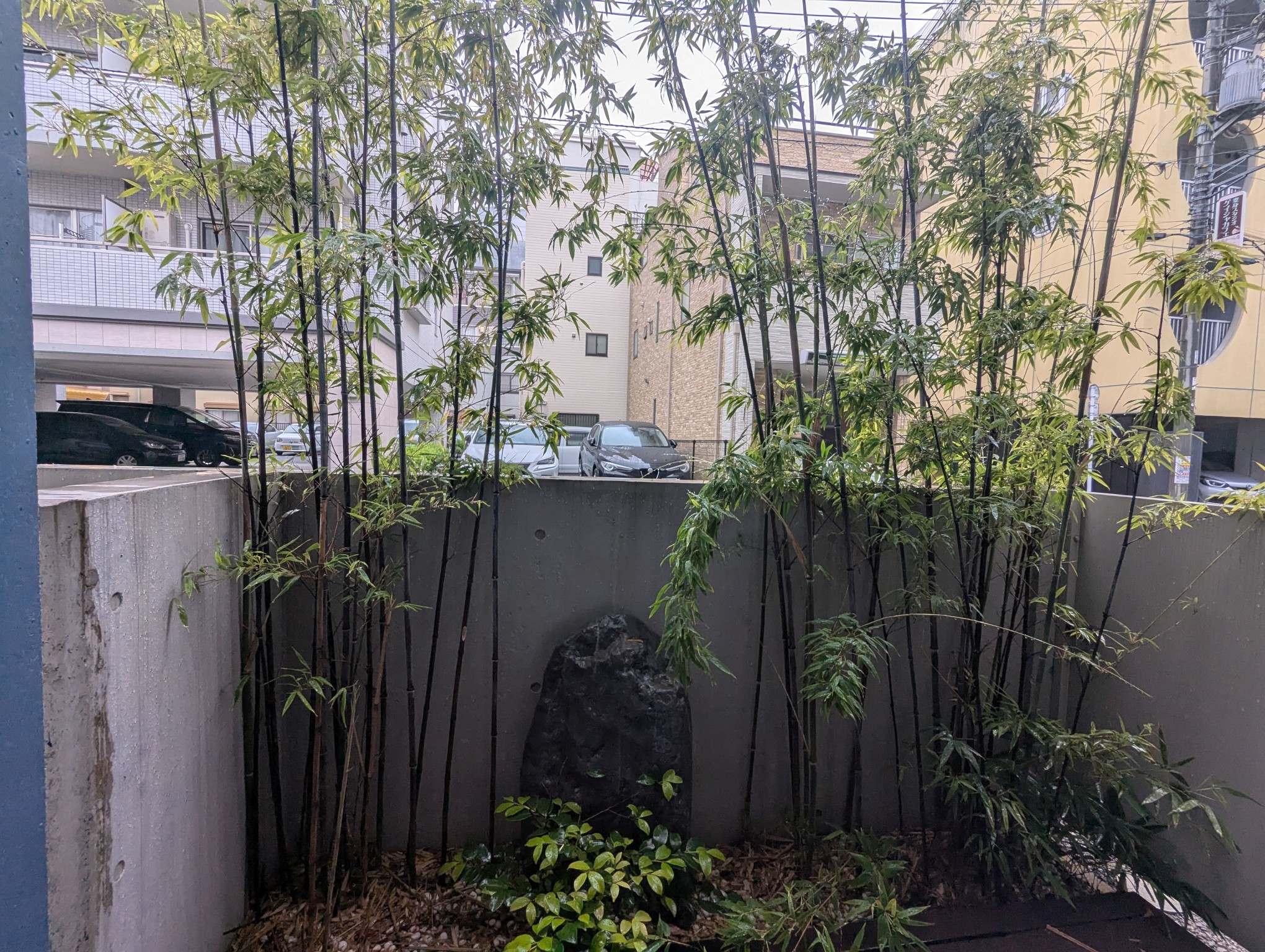
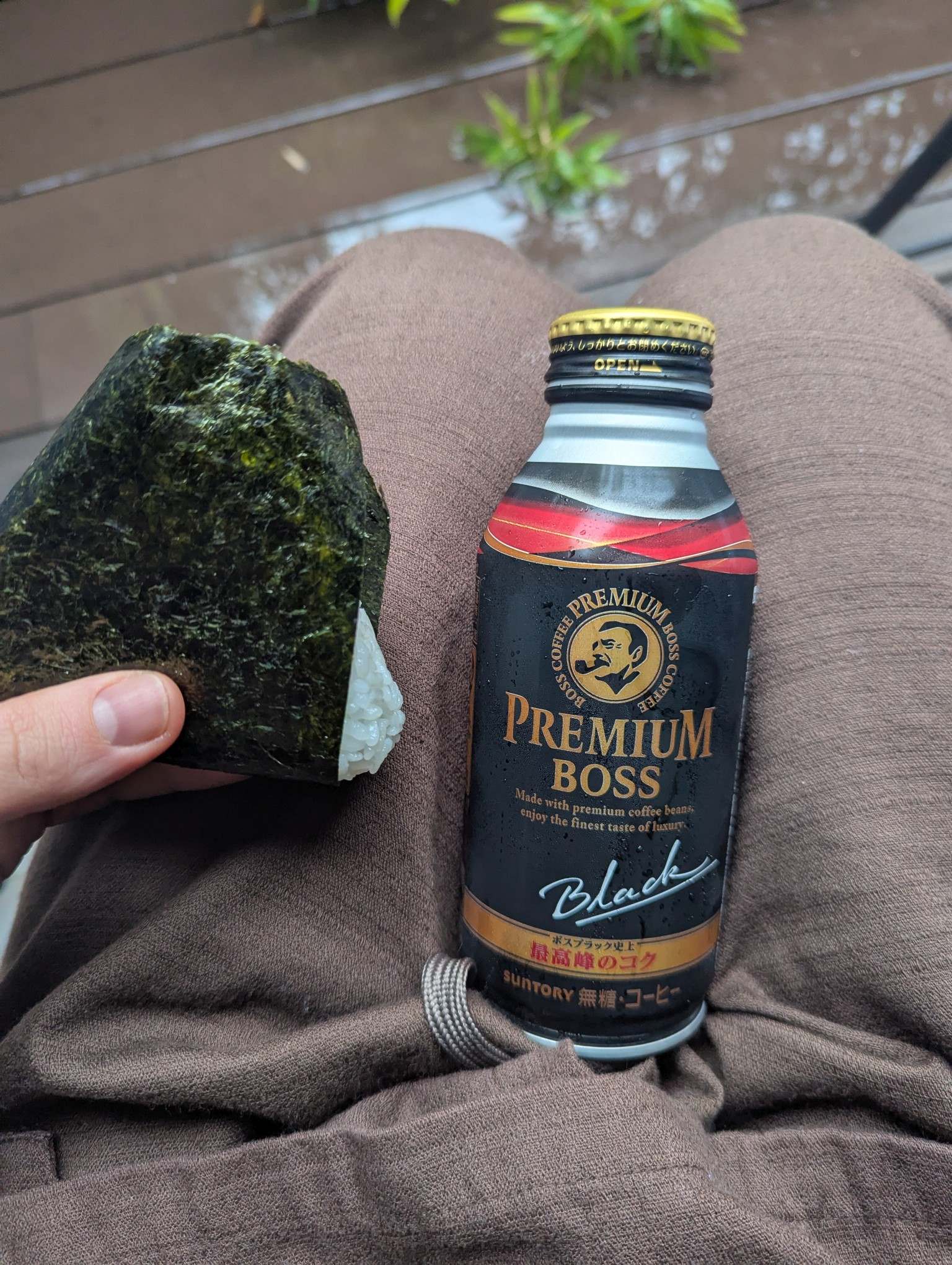
Today’s plan was to go to the Meiji Shrine and then continue through Takeshita and Cat Street towards Shibuya.
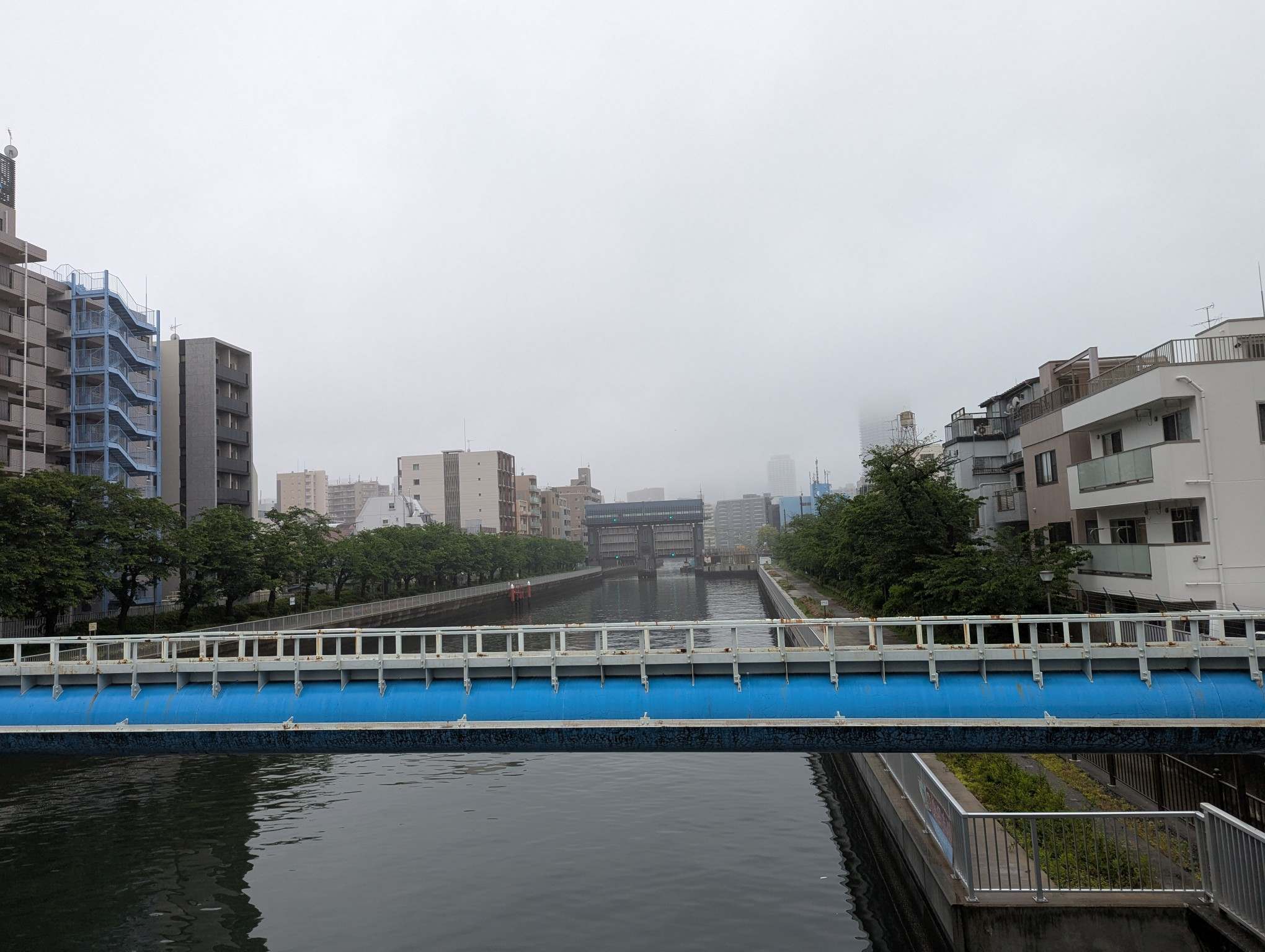
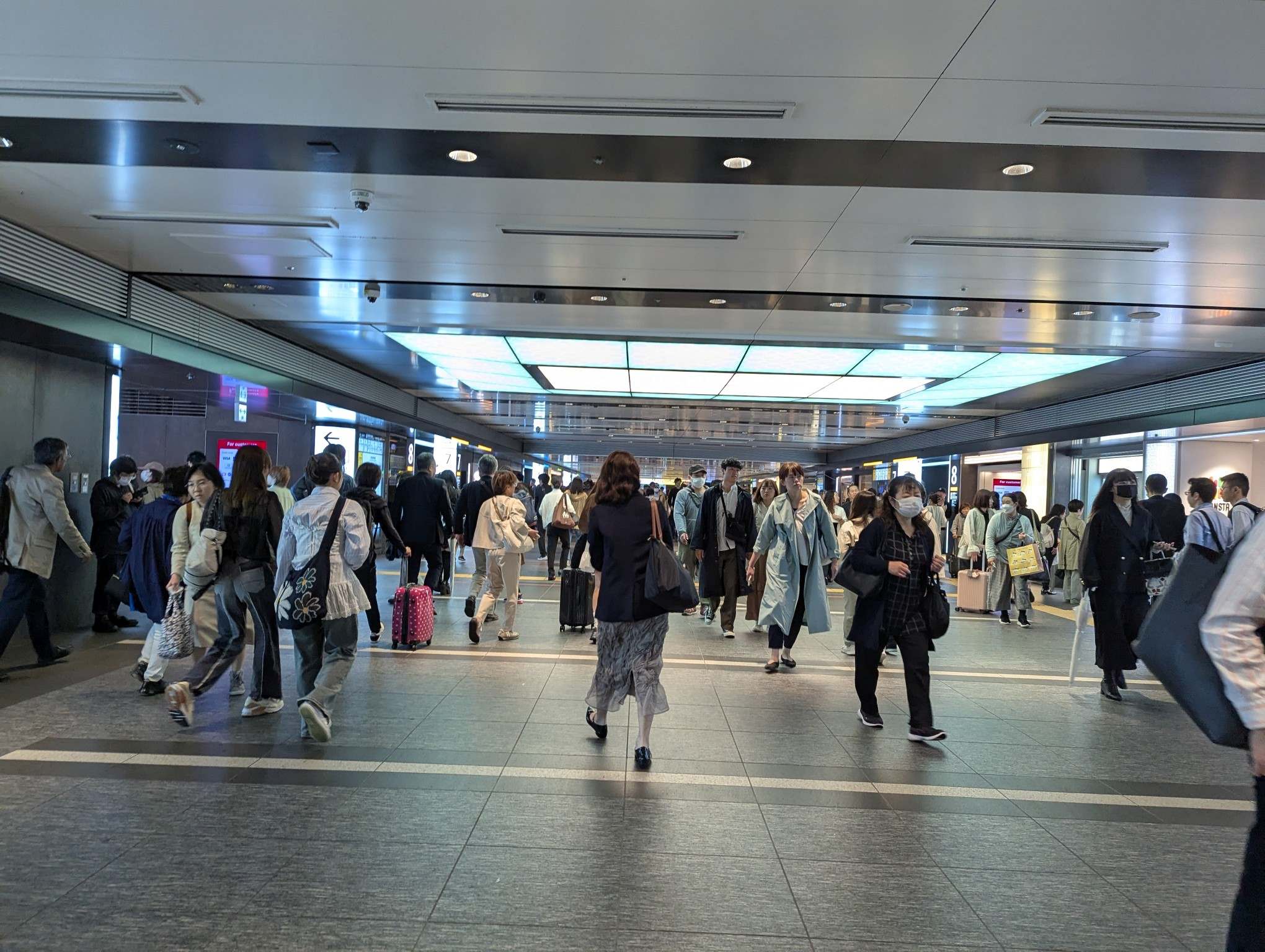
First, we took the subway to Tokyo Station, and then the JR above-ground railway. This brought us directly in front of the temple entrance.
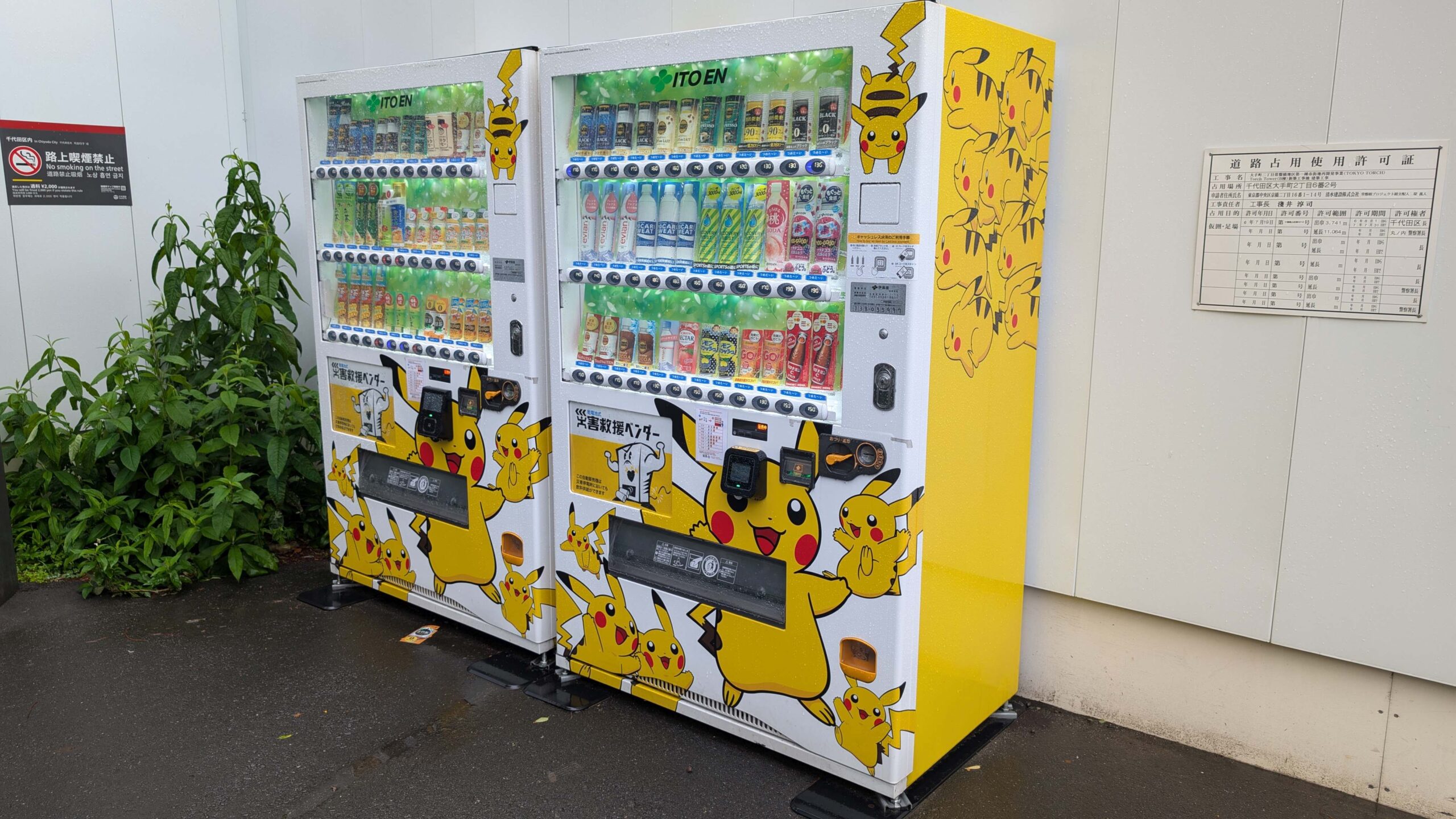
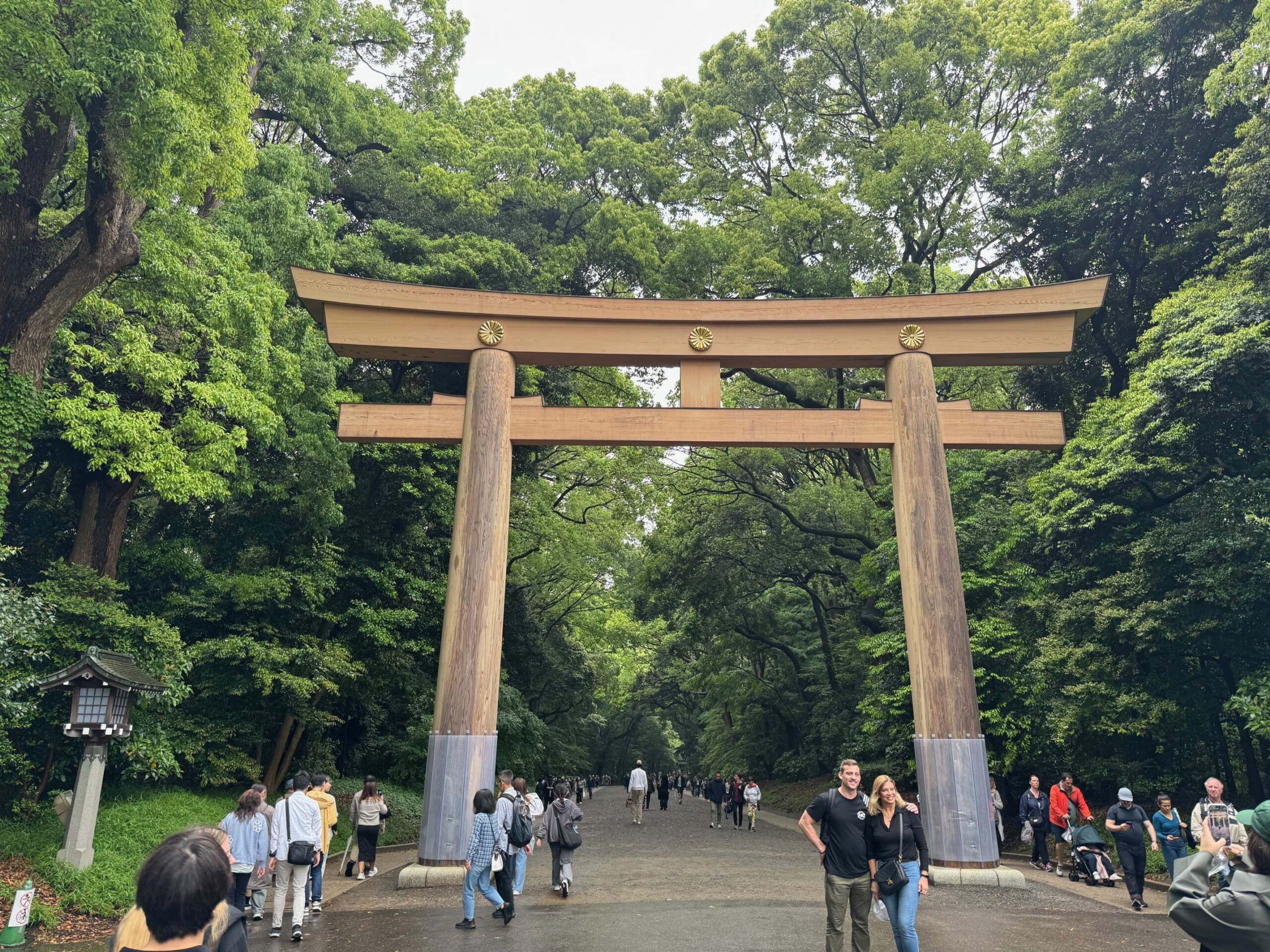
The entrance is framed by a large wooden torii gate. Thanks to my travel companion, I learned about the gate’s purpose and why you shouldn’t walk between the posts. Instead, you should pass the gate on the left.
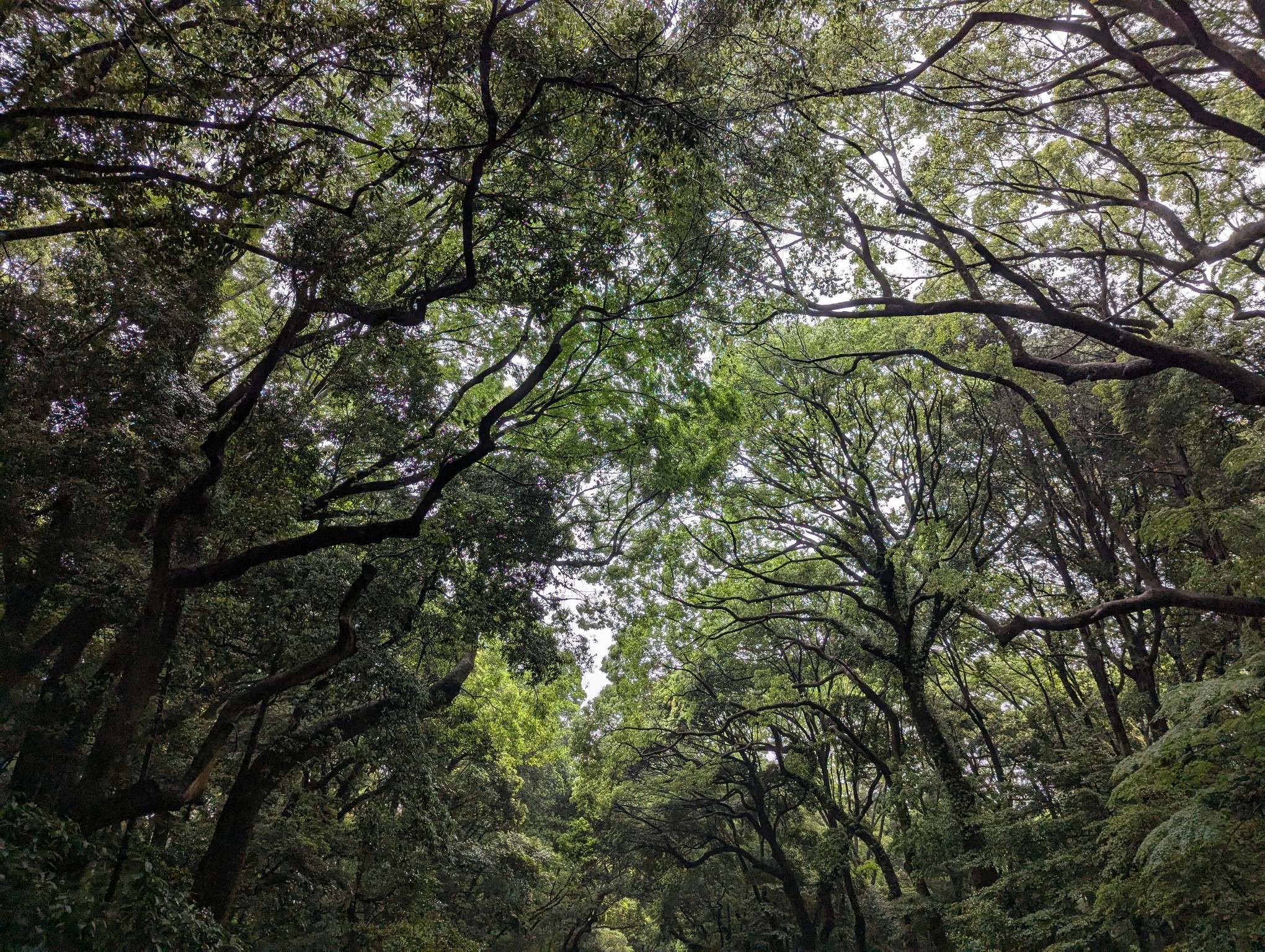
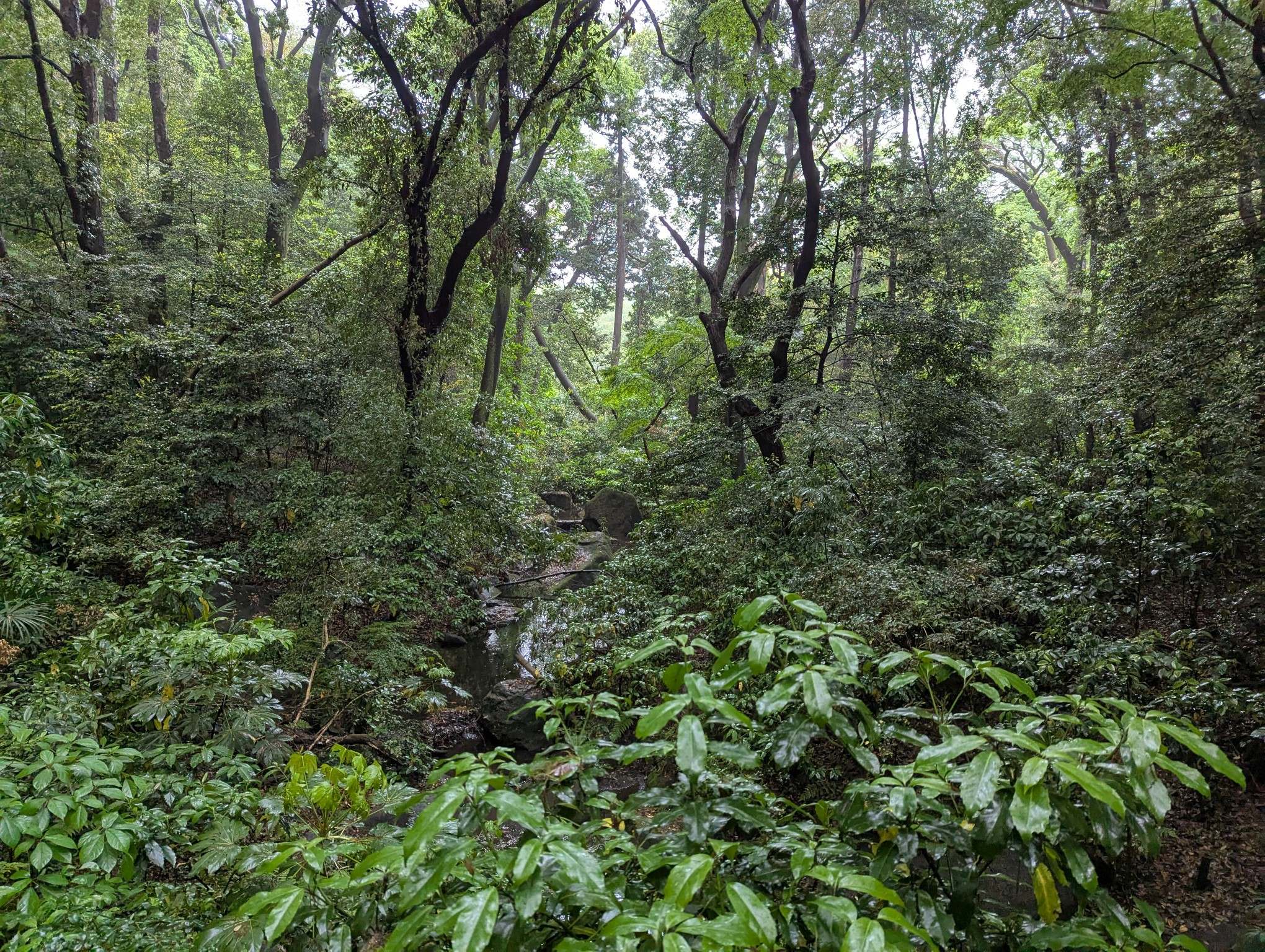
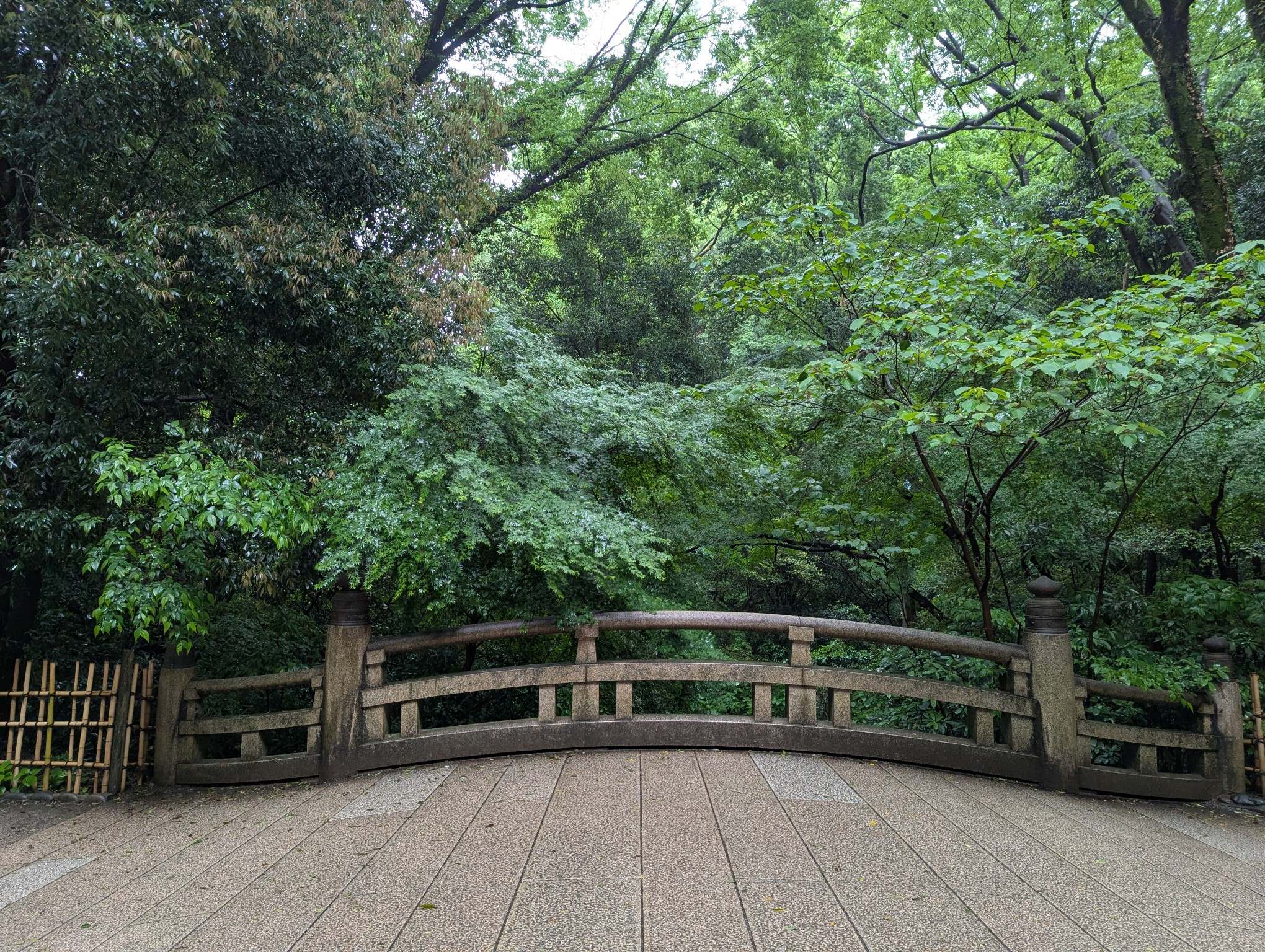
After passing through the gate, the temple forest really begins, with lush ancient trees, small streams, and bridges. After walking for a while, we passed several traditional sake barrels, which were a popular photo opportunity for tourists. However, as it was still relatively early, there wasn’t much foot traffic. After passing the barrels, we continued down the path and passed some gardens that required a small fee to enter. We continued towards the main shrine.
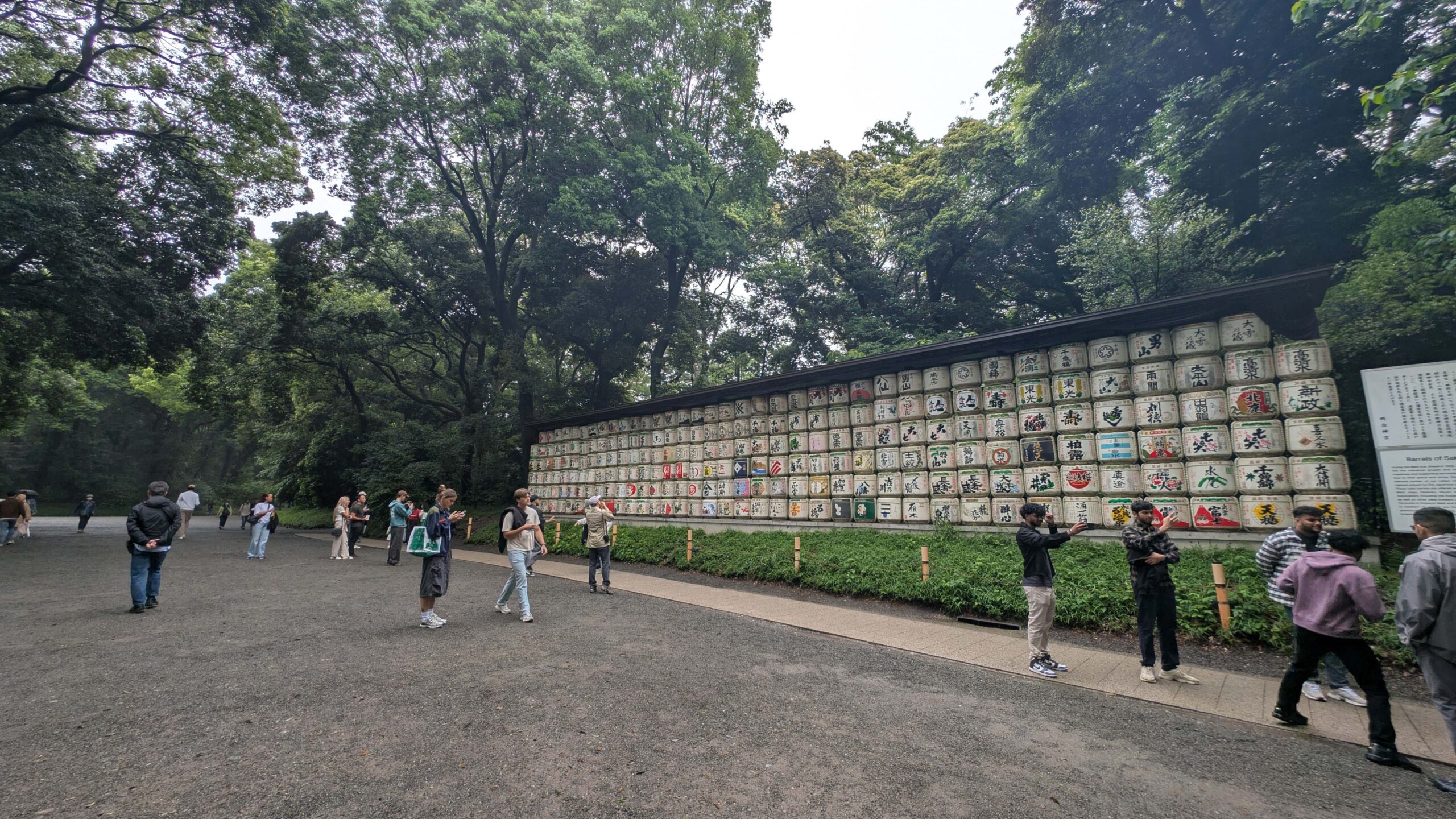
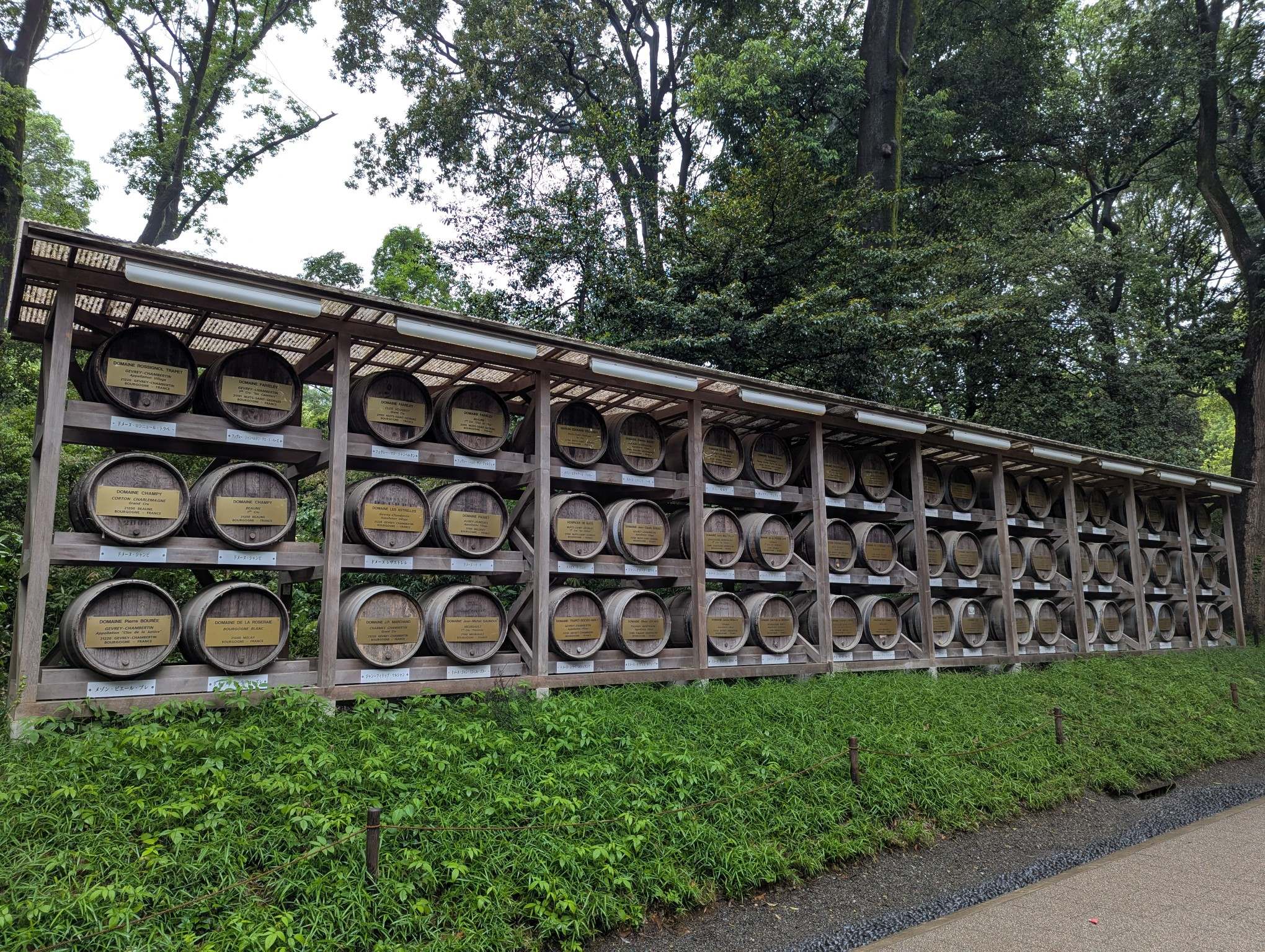
In front of the temple, there is a water area where worshipers can perform a cleansing ritual. Then, we went to the temple grounds.
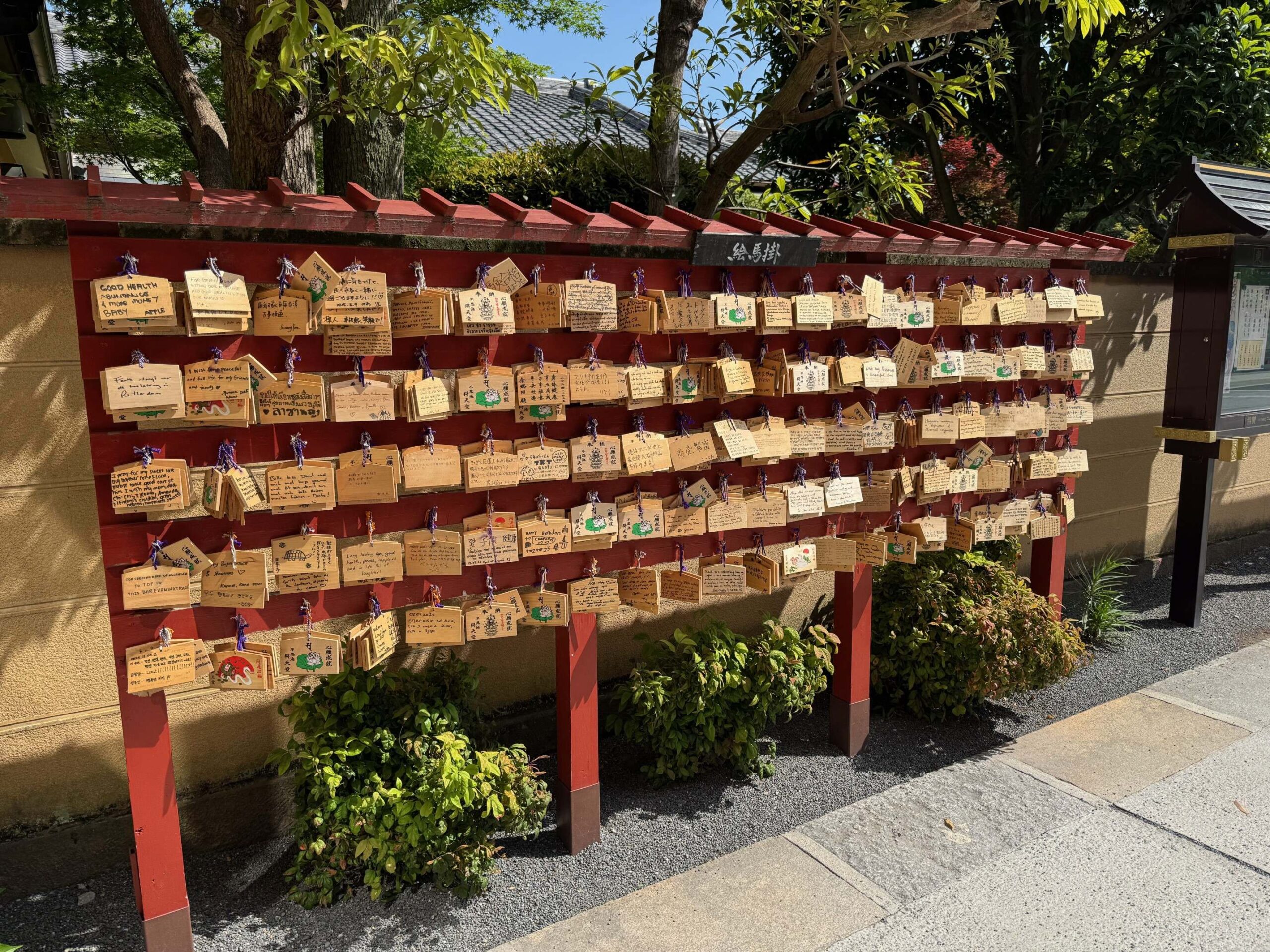
The temple was already a bit busier, with not only tourists, but also staff. In the corner of the temple, below a tree, were wooden plates with wishes written in many different languages.
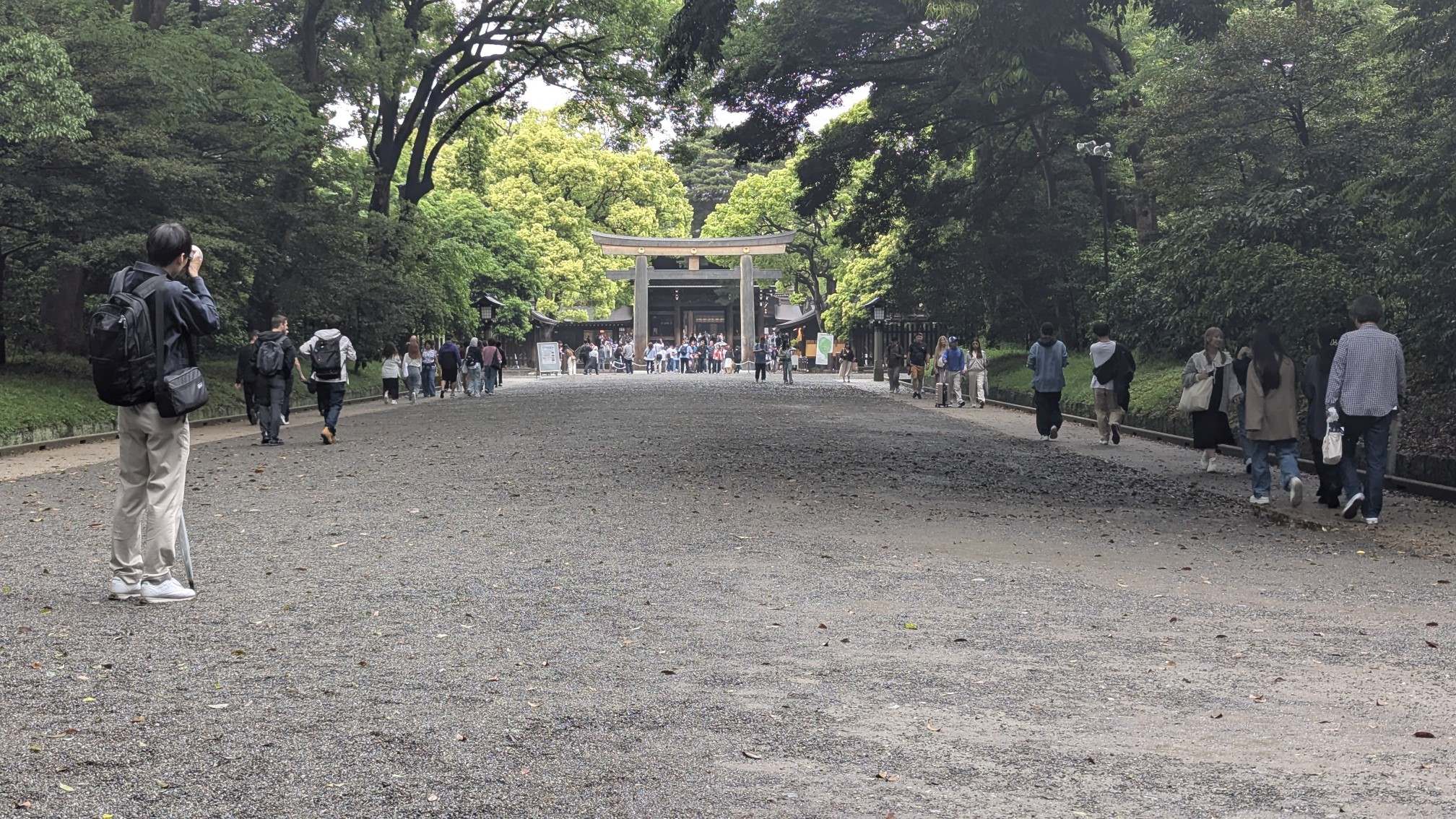
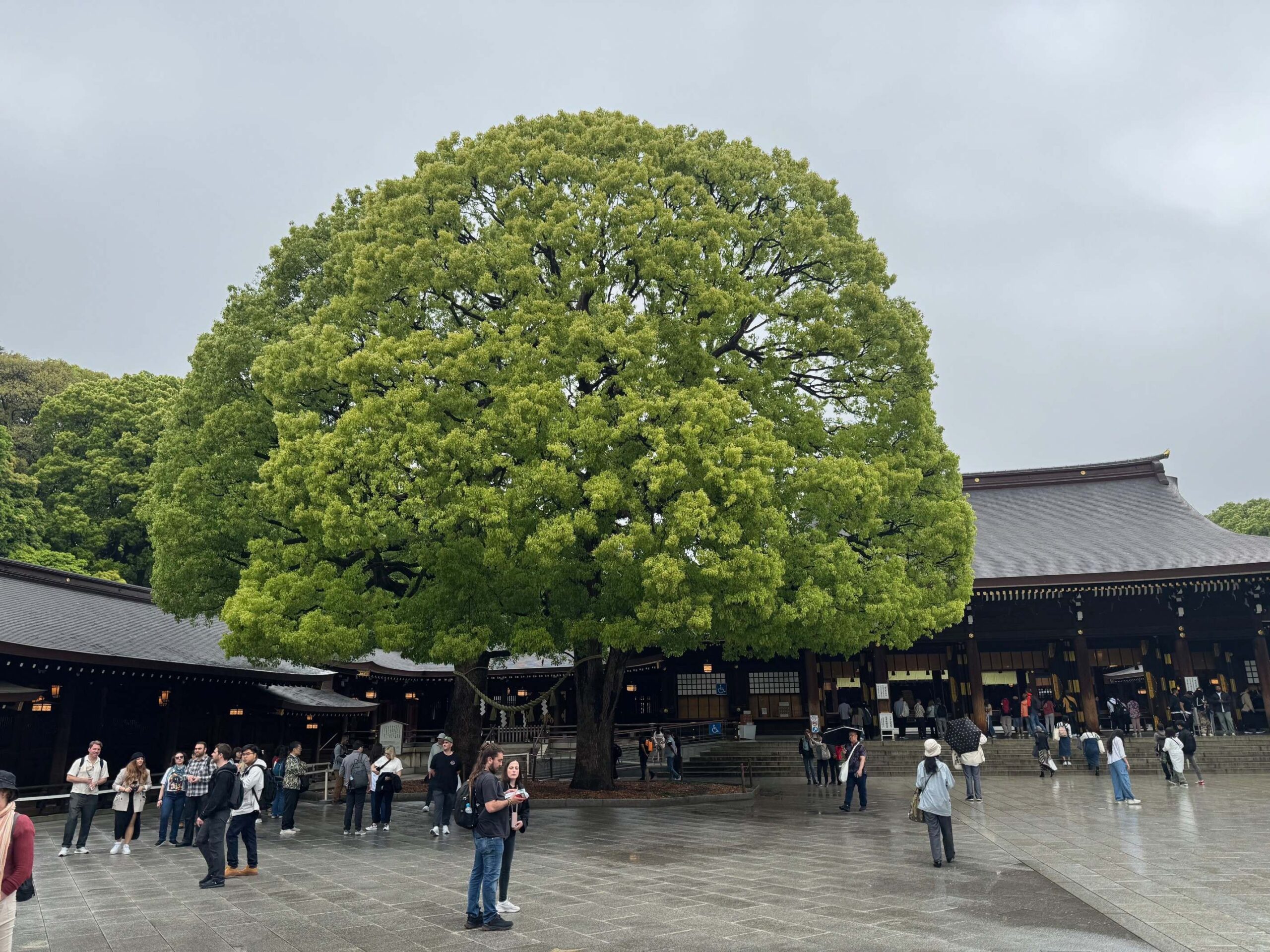
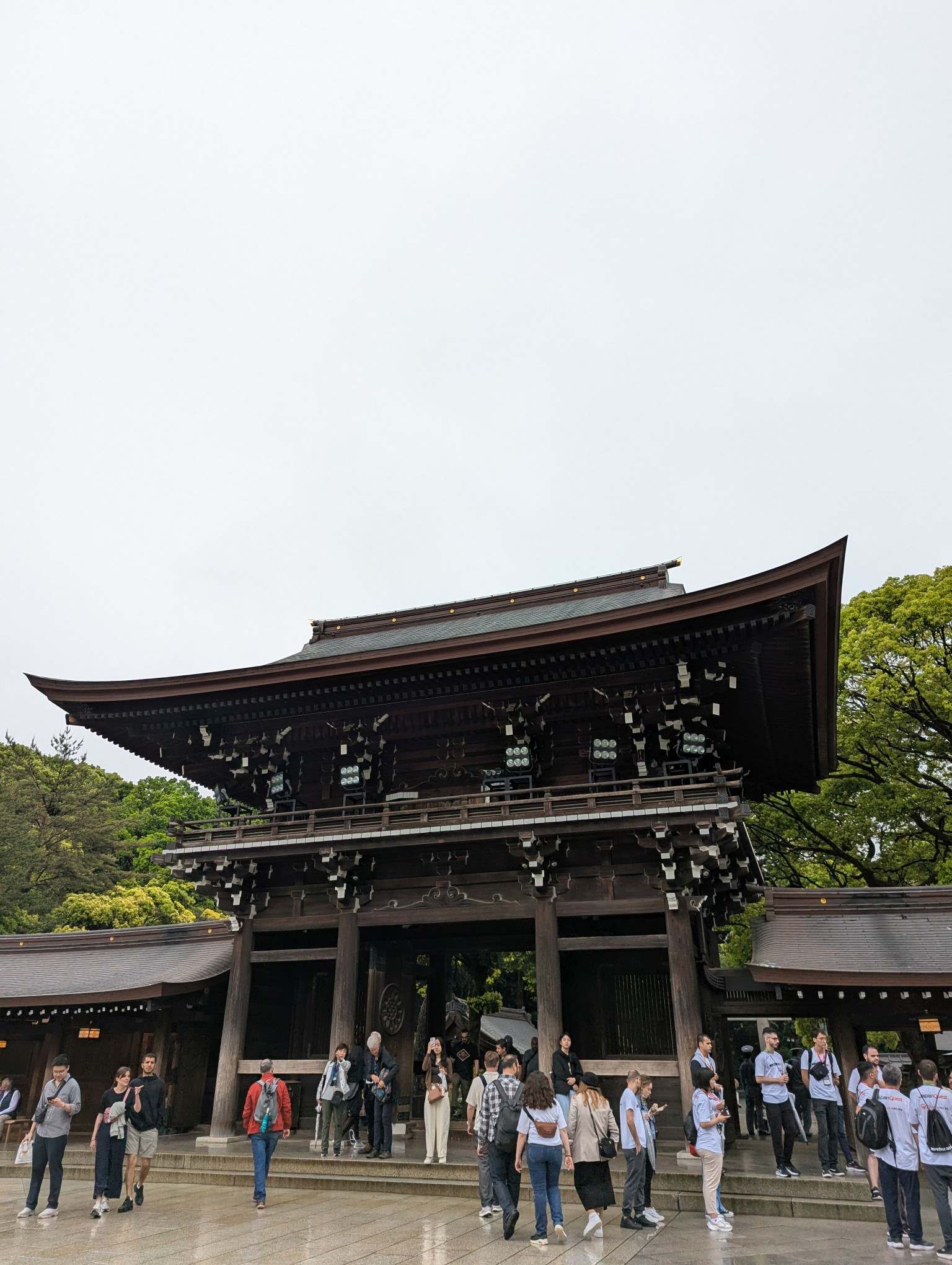
While we were at the temple, a wedding ceremony took place. It was interesting to see the differences in traditions compared to what we are used to in Europe. Everything from the dress code to the ceremony itself was a bit different. During our stay, we observed the photography session of the soon-to-be family and the wedding parade to the secluded ceremony site.
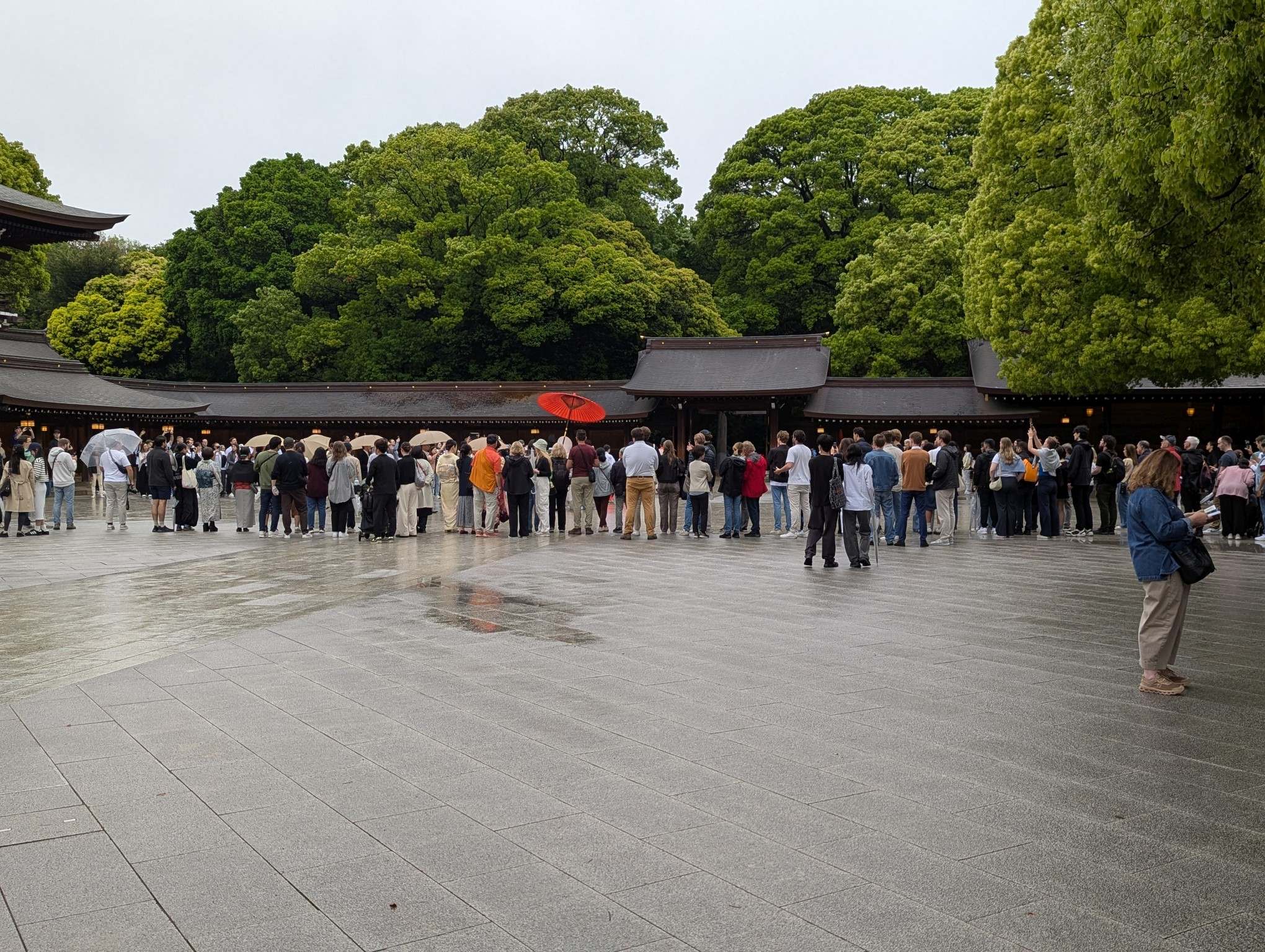
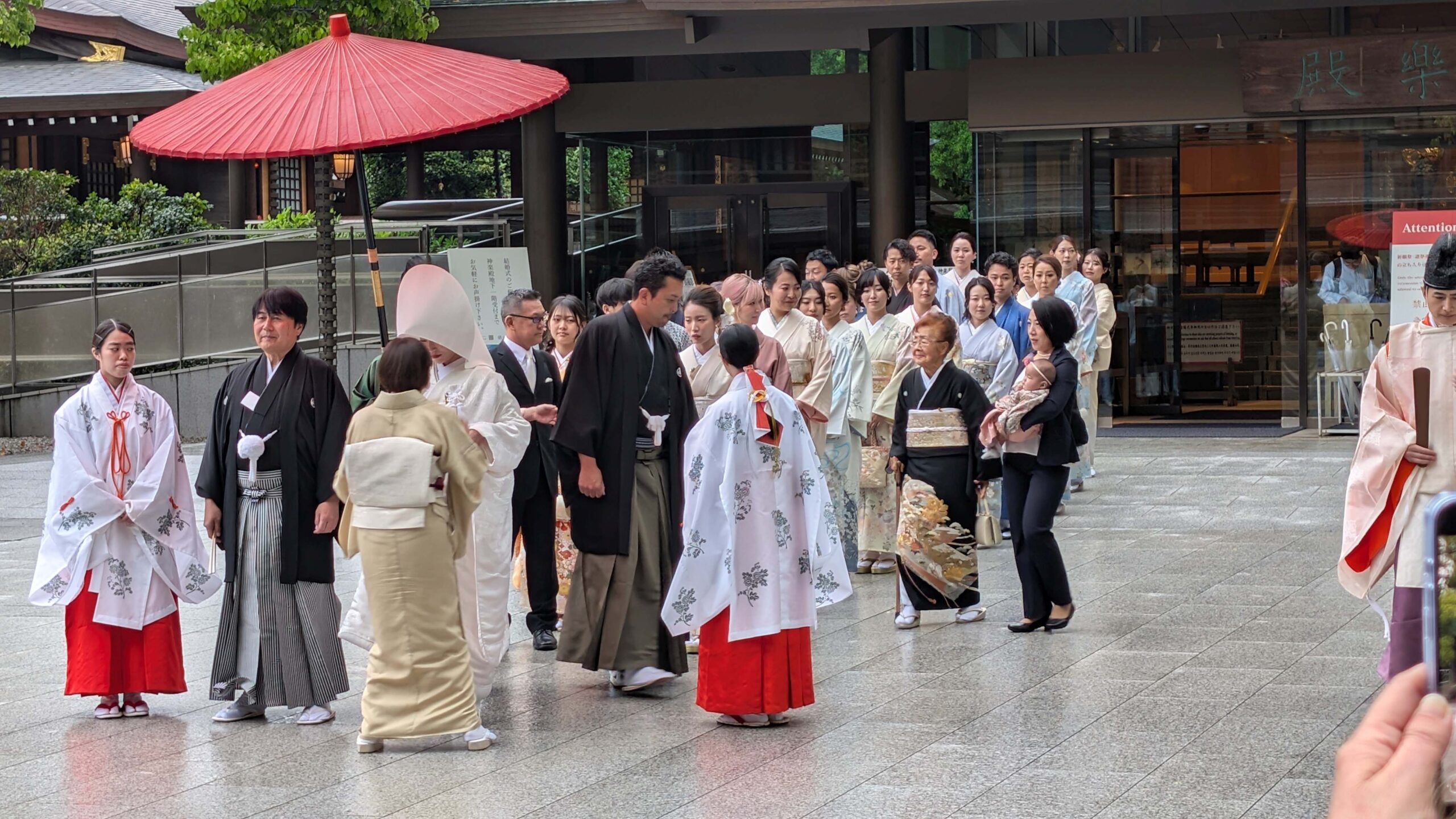
For our trip, we started collecting rubber stamps. Many train stations and subway lines have rubber stamps. Later, at the Osaka Expo, we collected stamps, and there is a temple stamp available at the temple grounds. There is also a special religious stamp, or goshuin, that is handcrafted with Japanese letters. These stamps are for goshuincho books. If you don’t have one, you can get the stamp on a separate piece of paper.
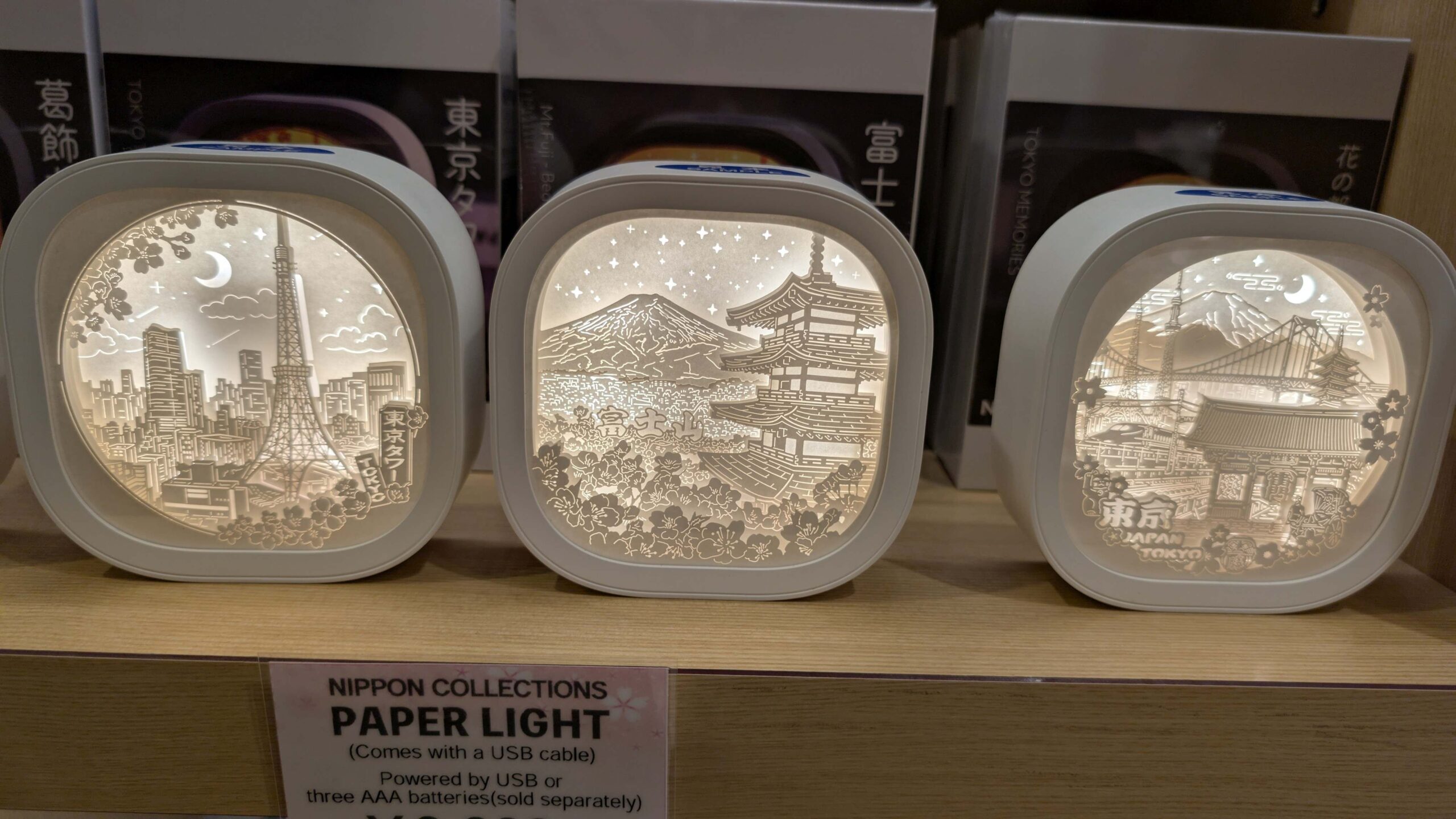
As the wedding ceremony had passed by, we walked back through the jungle and visited the gift shop to buy postcards and a snack. After passing the train station, we arrived at the shopping district, which began with a large store and Takeshita Street. I found a funny T-shirt in one store, but my search for an inexpensive Samue (Japanese pyjama) was unsuccessful.
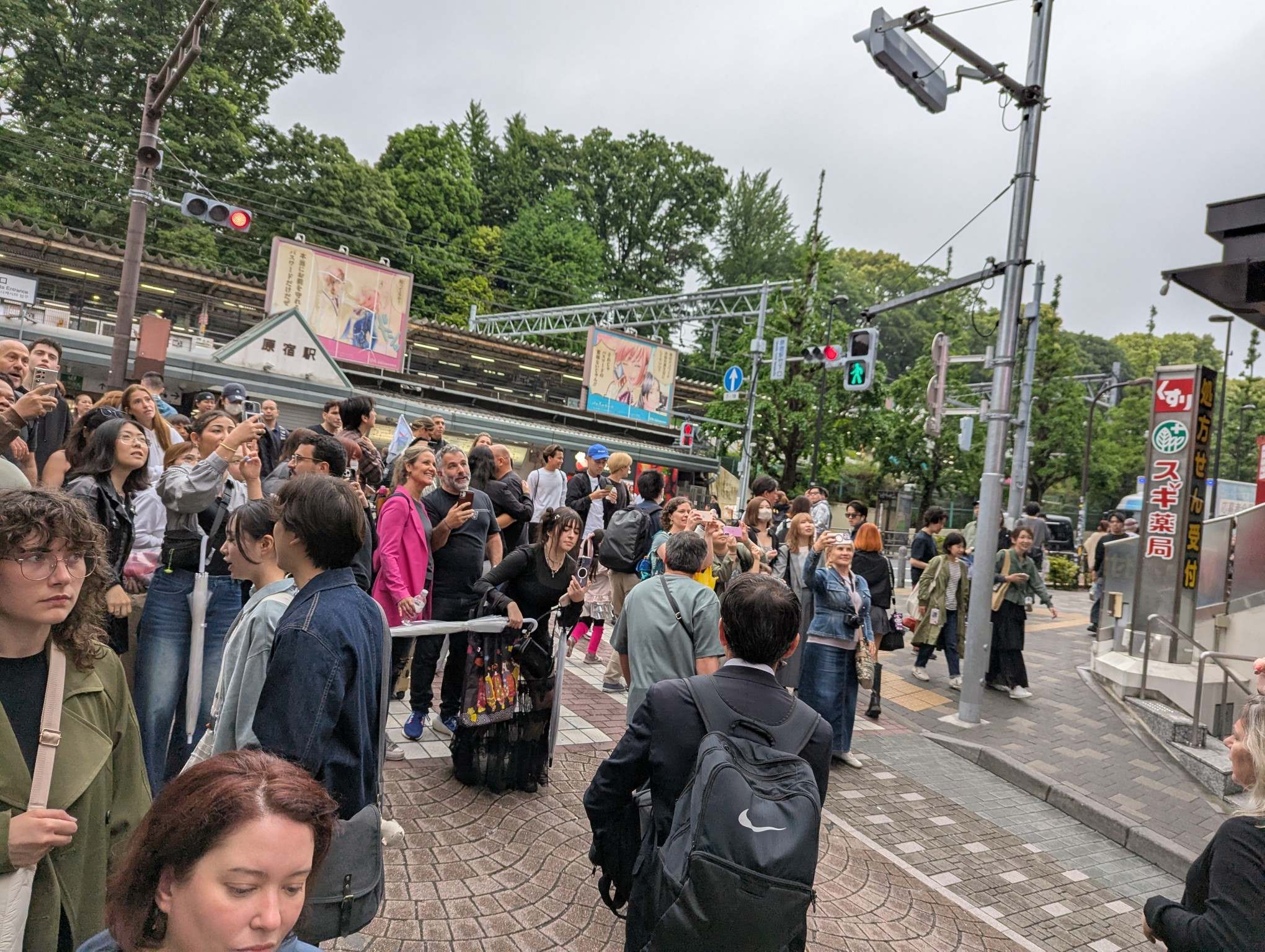
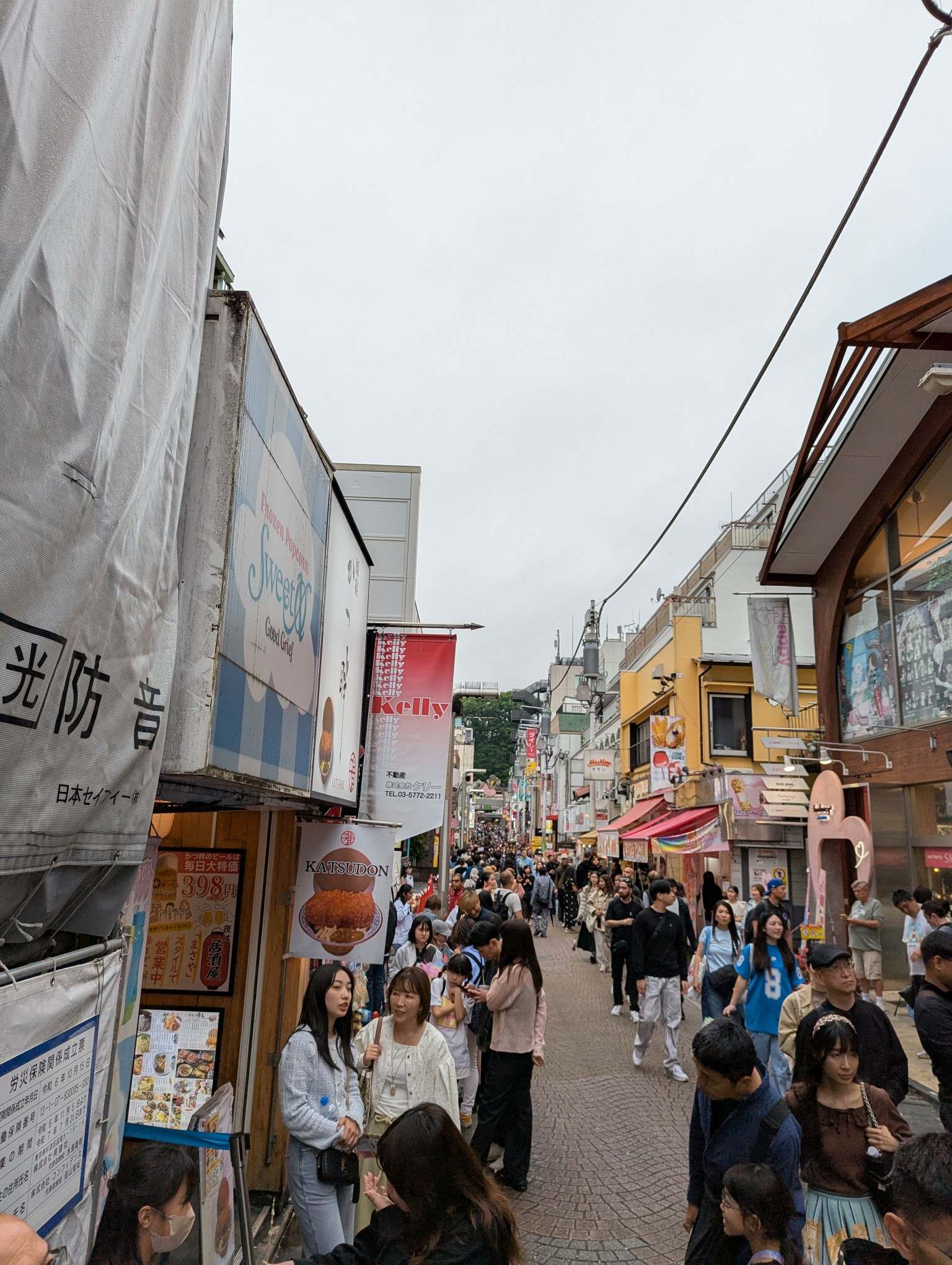
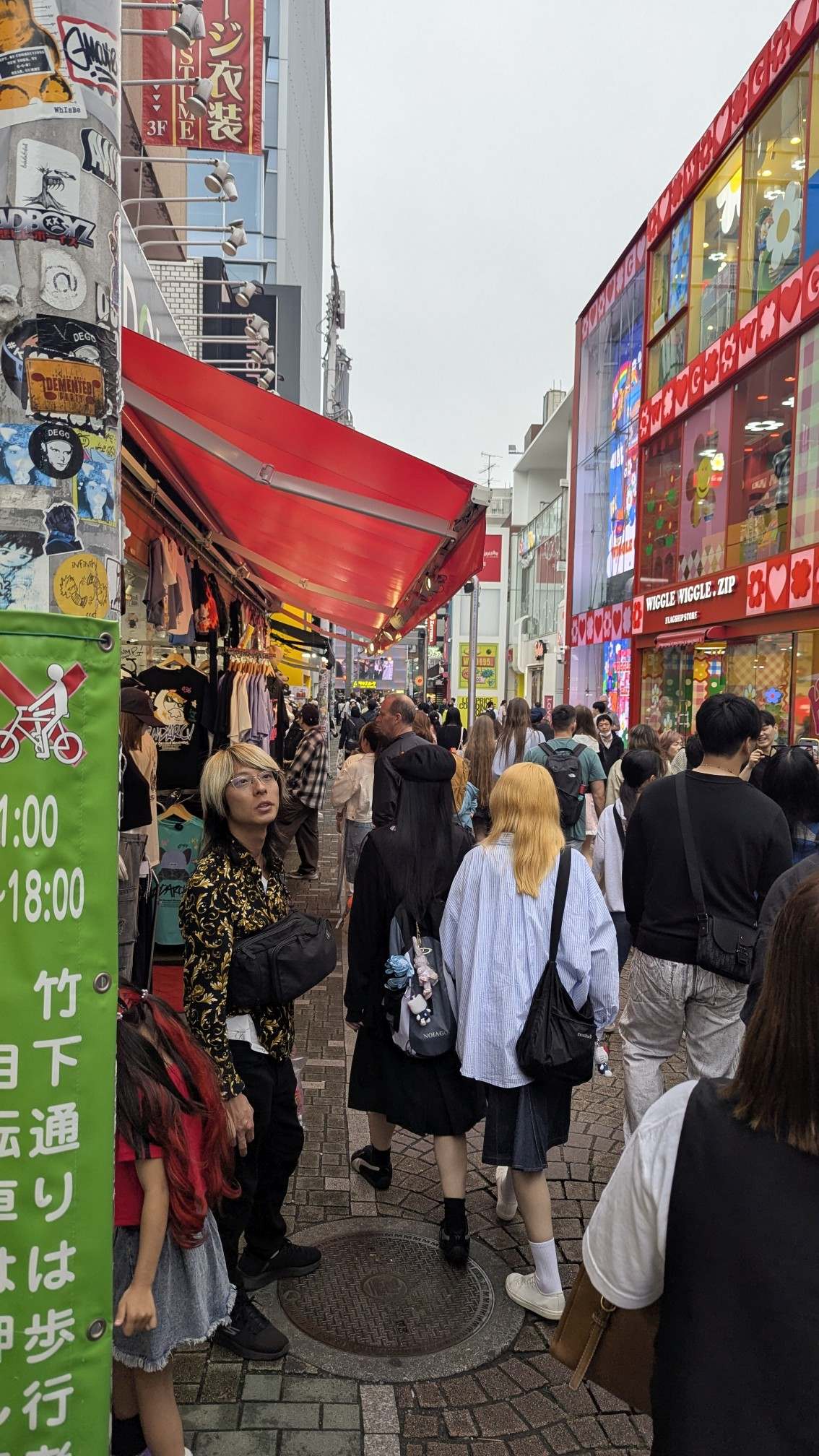
Takeshita Street was pretty crowded this Saturday. This was partly because the street is narrow, but compared to Stuttgart on a sunny Saturday, it was not too crowded. We looked into one or two stores, but did not find anything noteworthy to our taste.
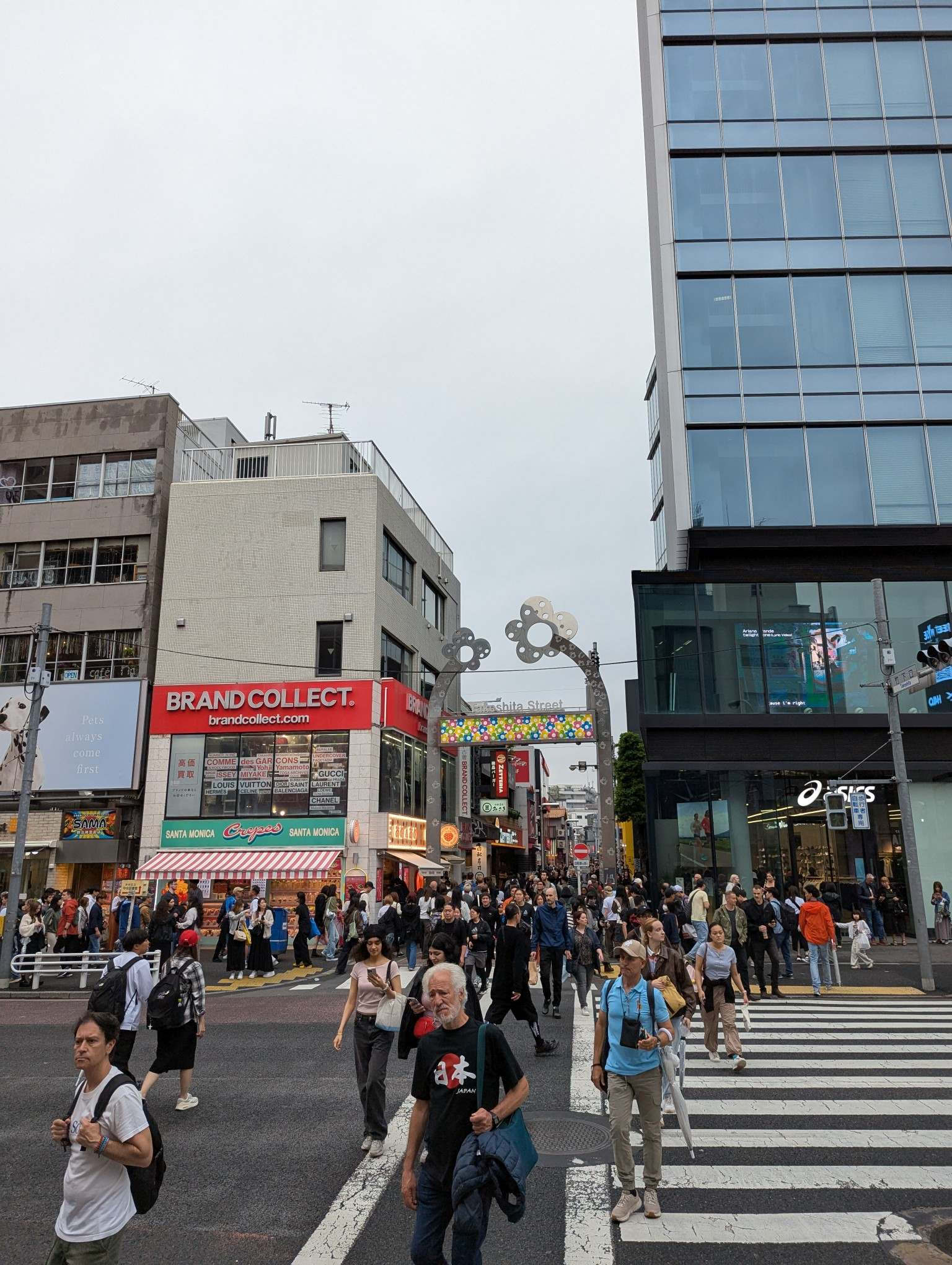
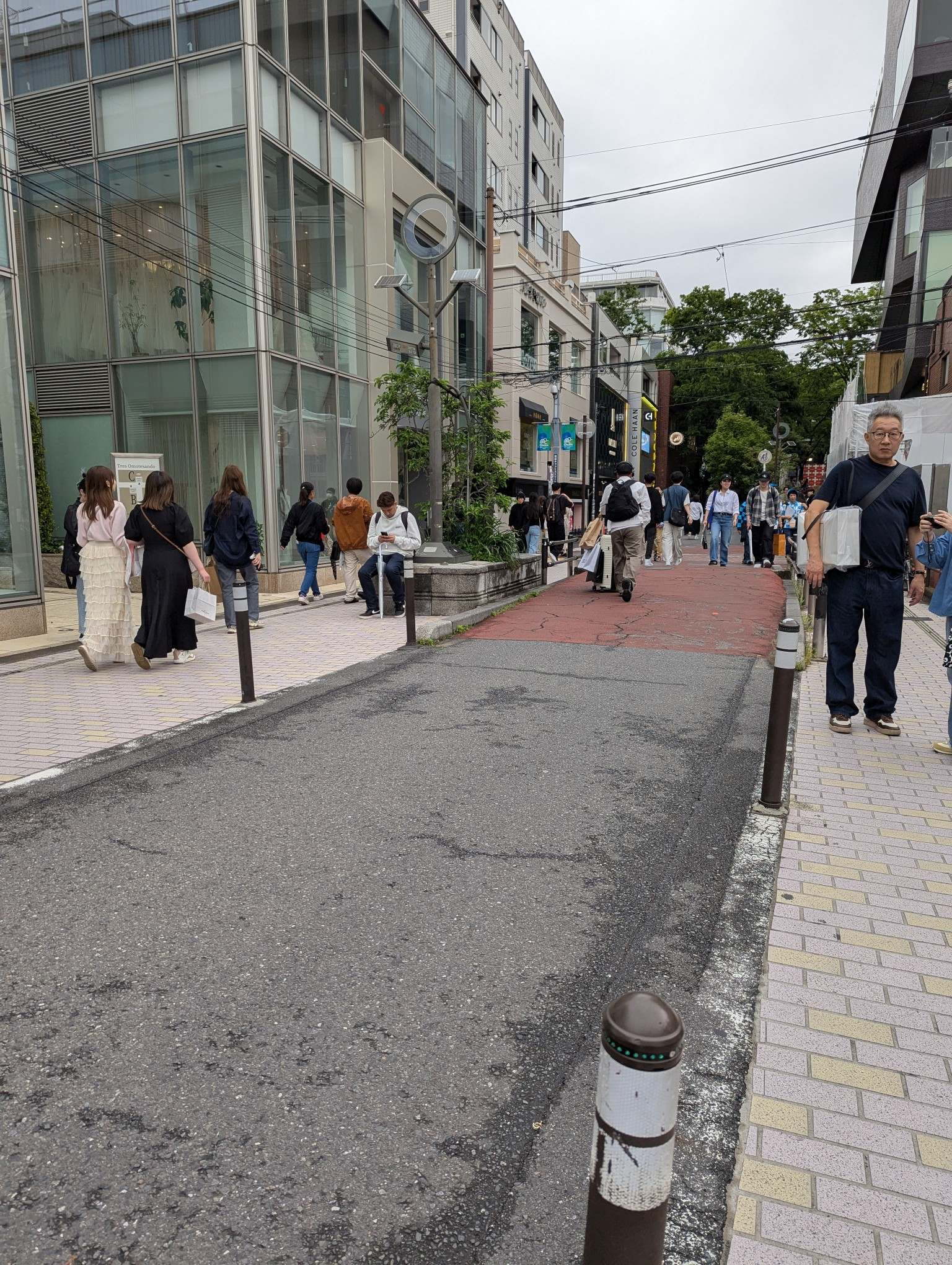
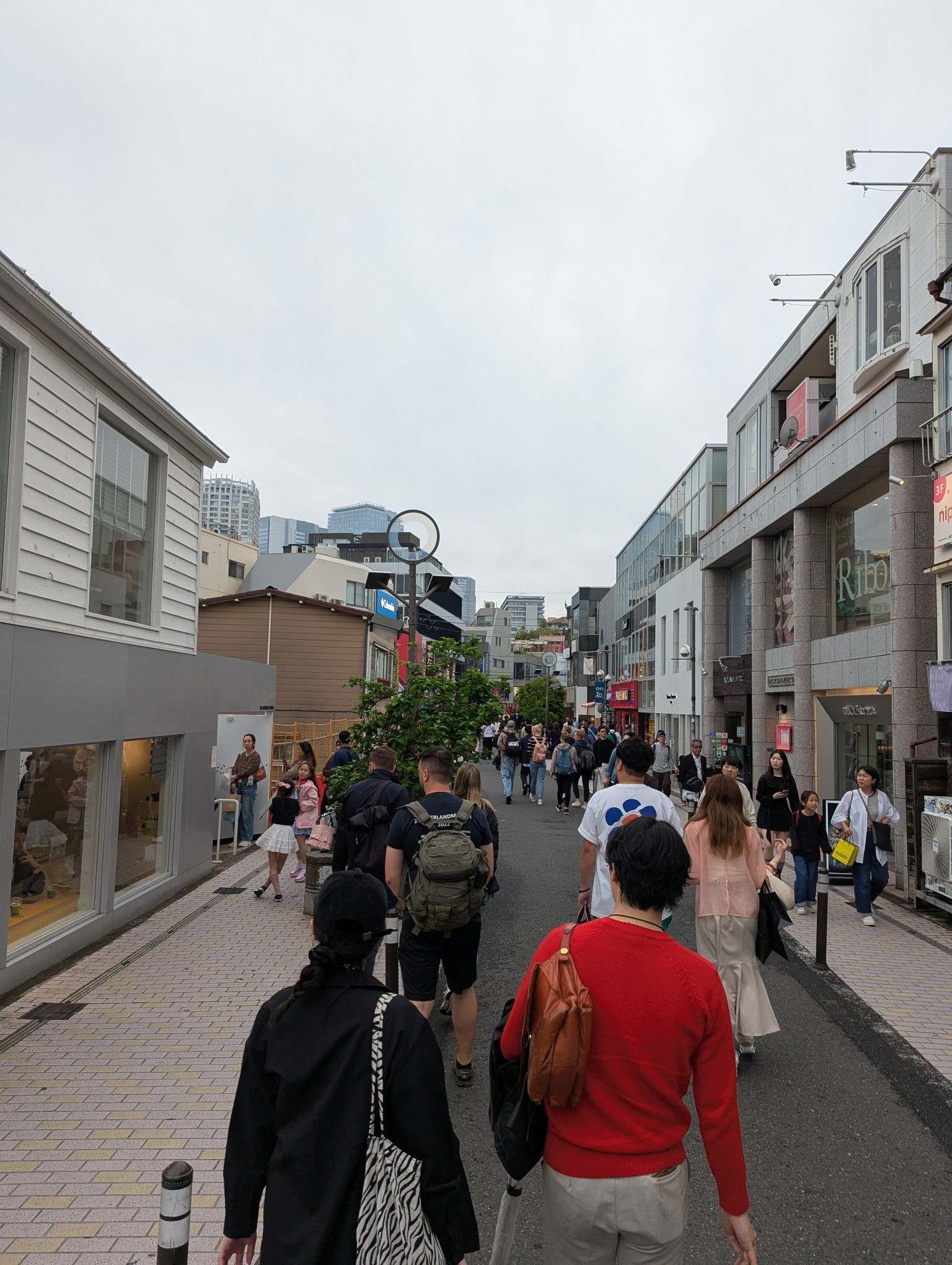
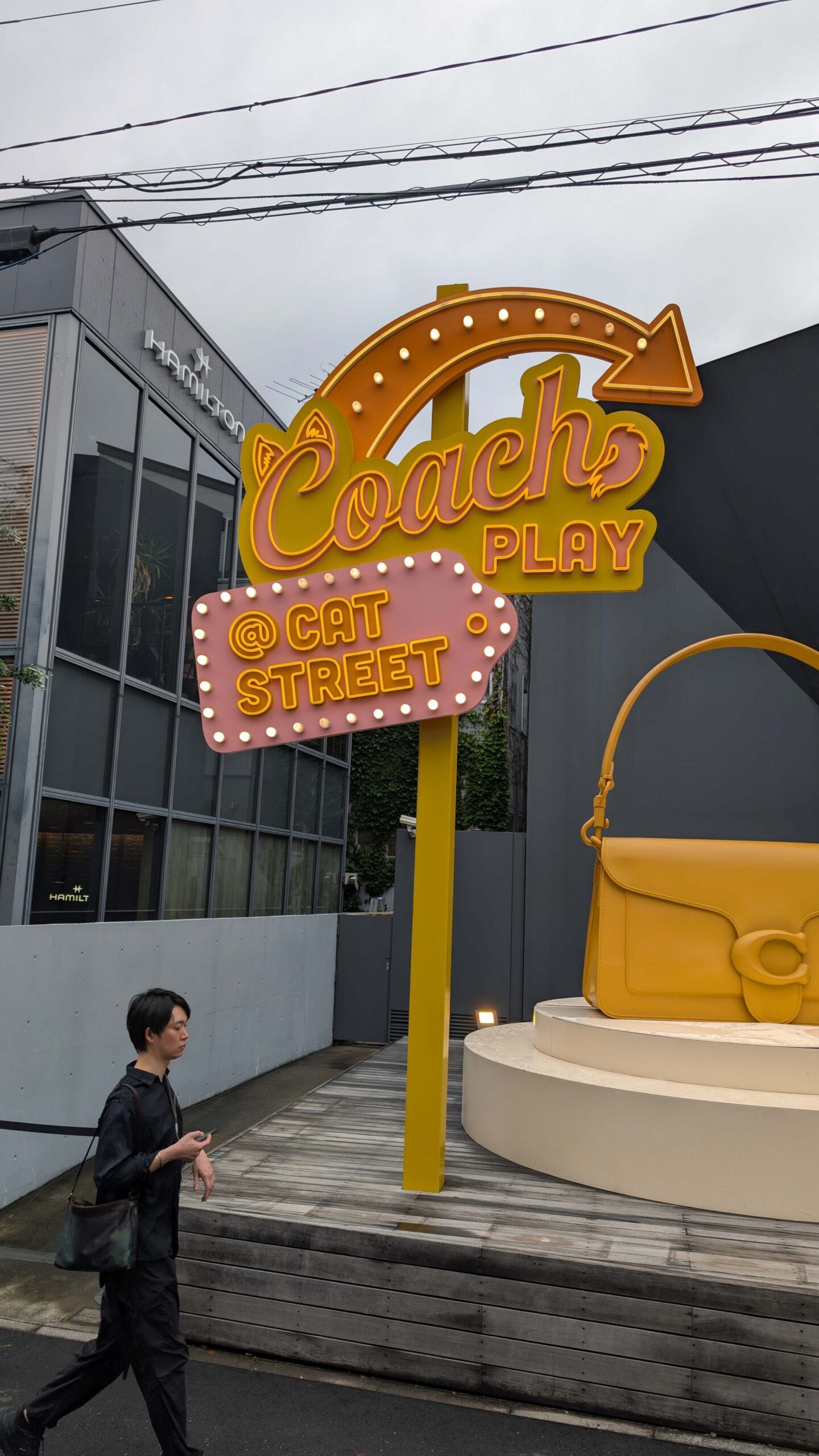
Crossing the Takeshita Street is the Cat Street. This street is a bit broader as occasional car traffic is allowed and possible due to the layout. I saw one older lady driving backwards in her big boxy vehicle using the rear view camera of the vehicle all while having a very attentative cat sitting on her lap looking outside. In total I can recommend the Cat steet for a casual walk as it is not as congested as the Takeshita Street.
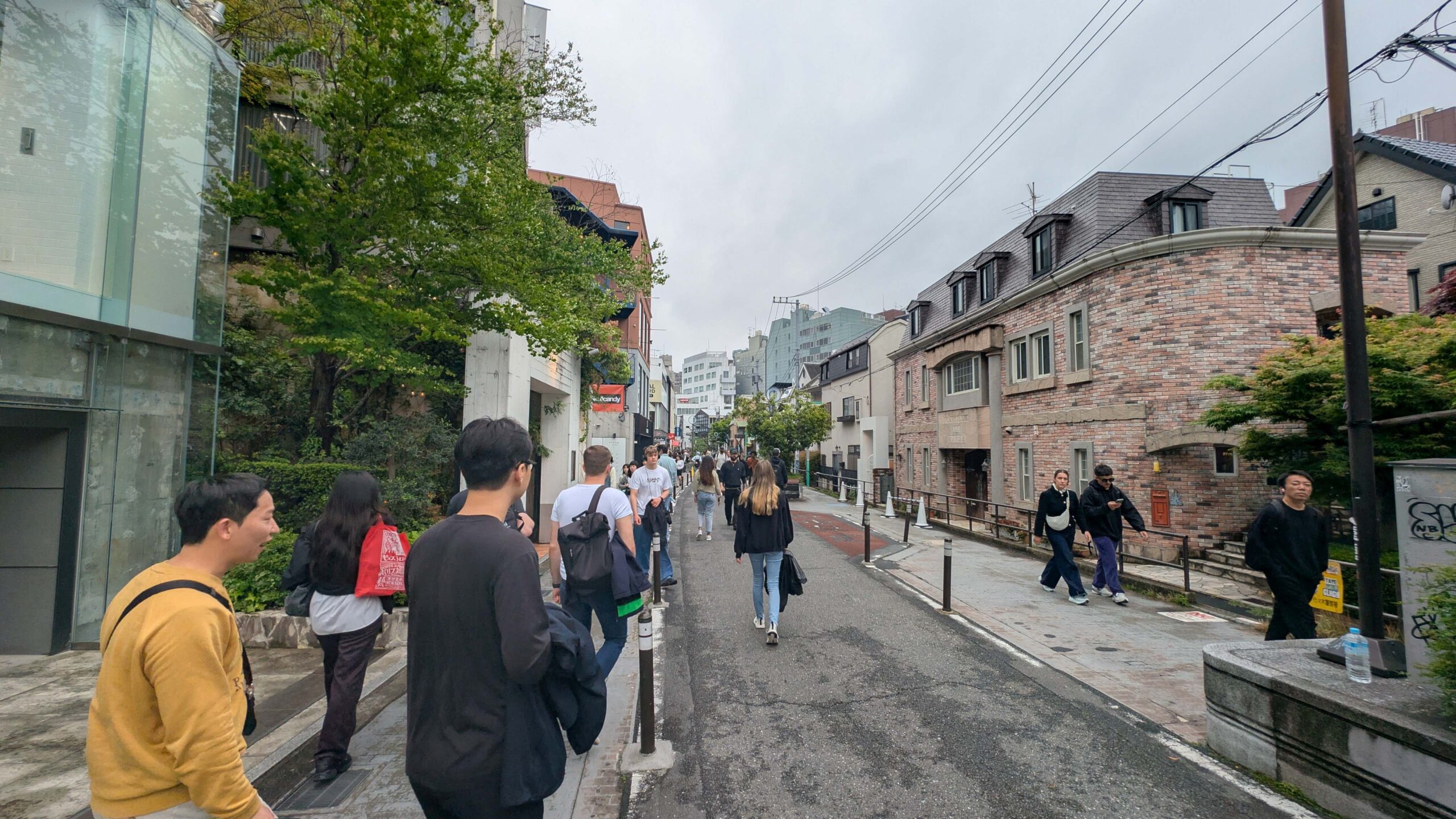
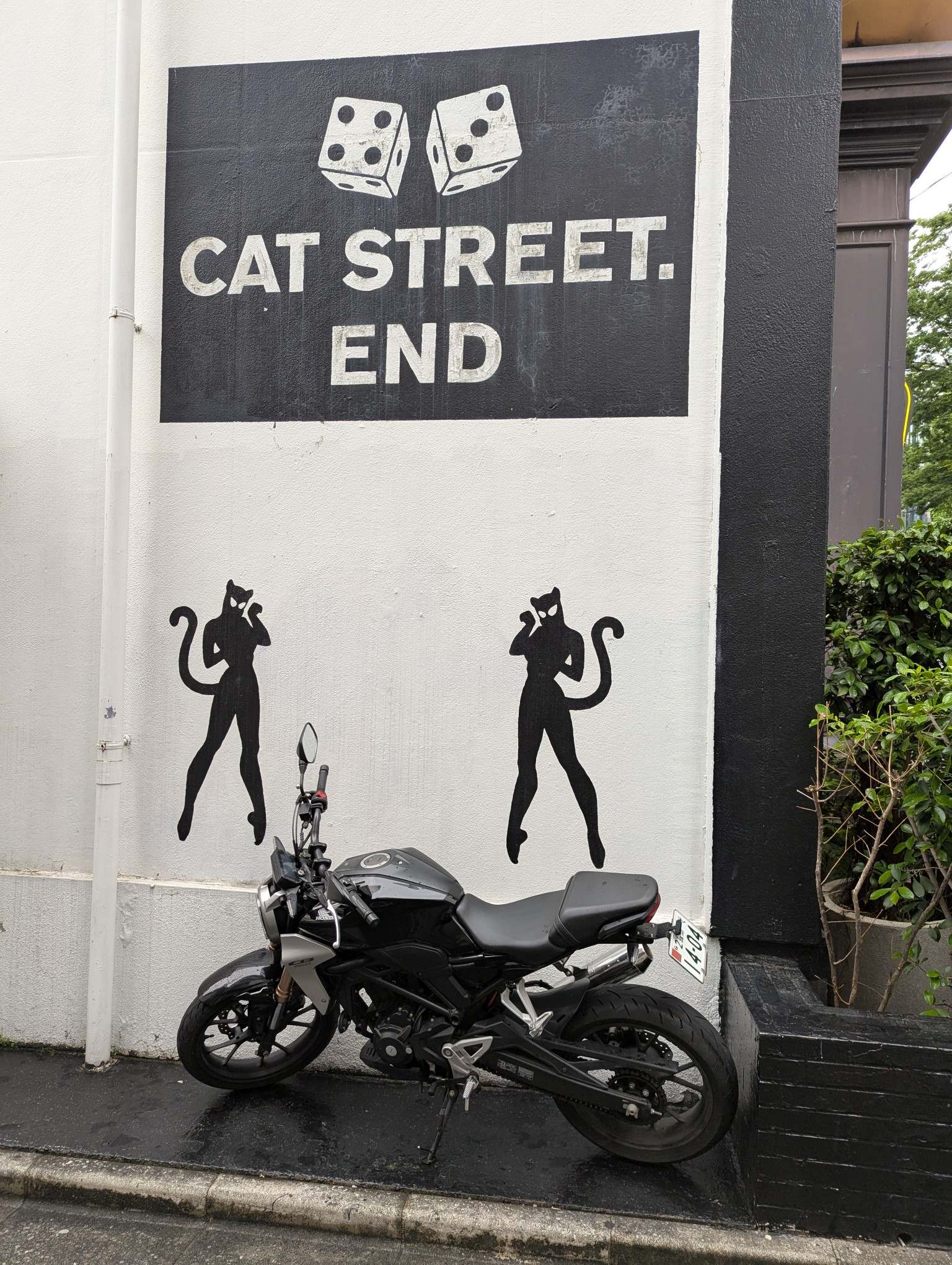
Considering the time, we avoided any other major shopping centers or larger detours. My cousin scouted a small coffee shop with a raised view of the Shibuya Crossing. In the evening, we had a reserved slot to visit the Shibuya Scramble Square Tower and Shibuya Sky.
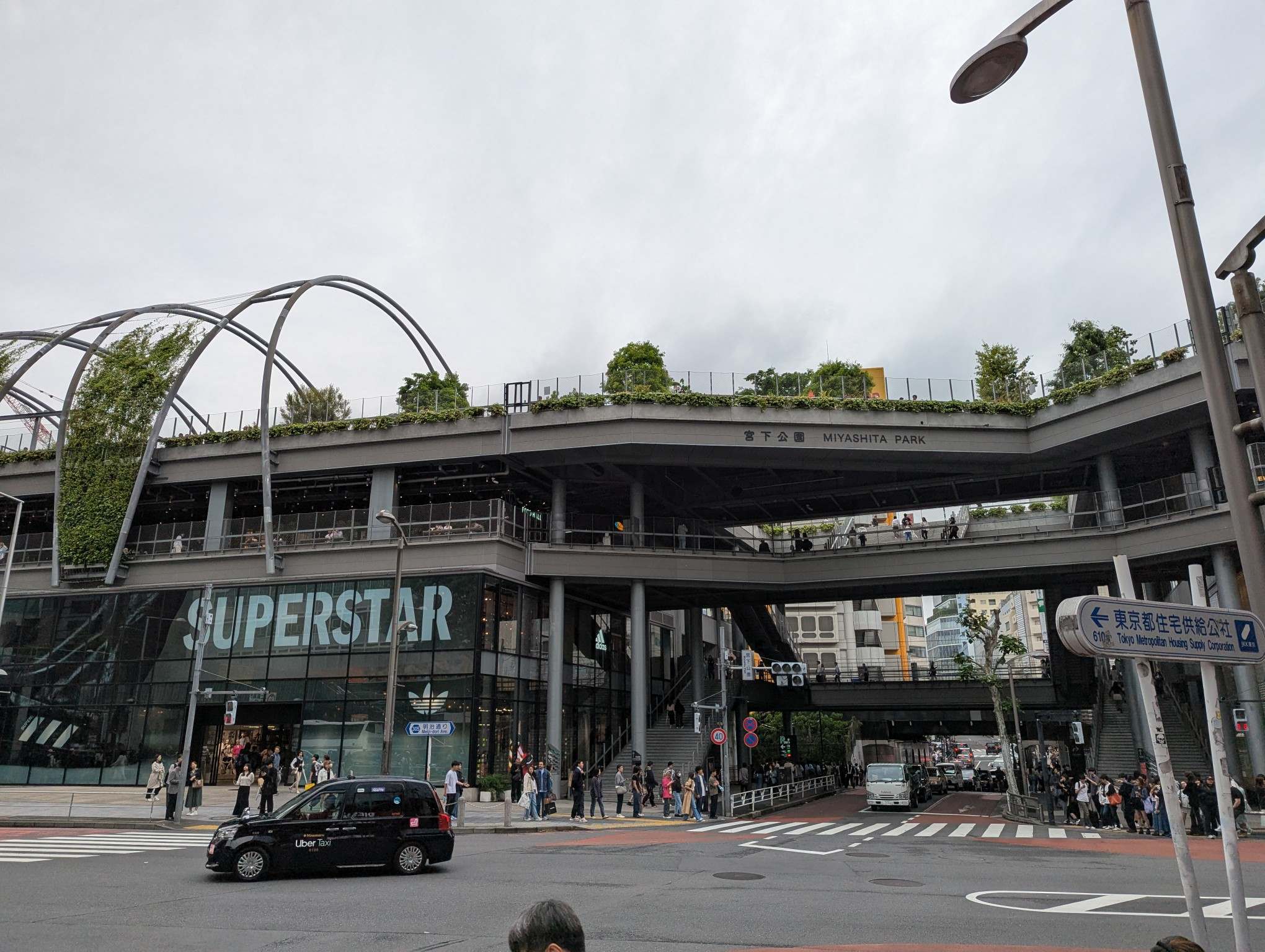
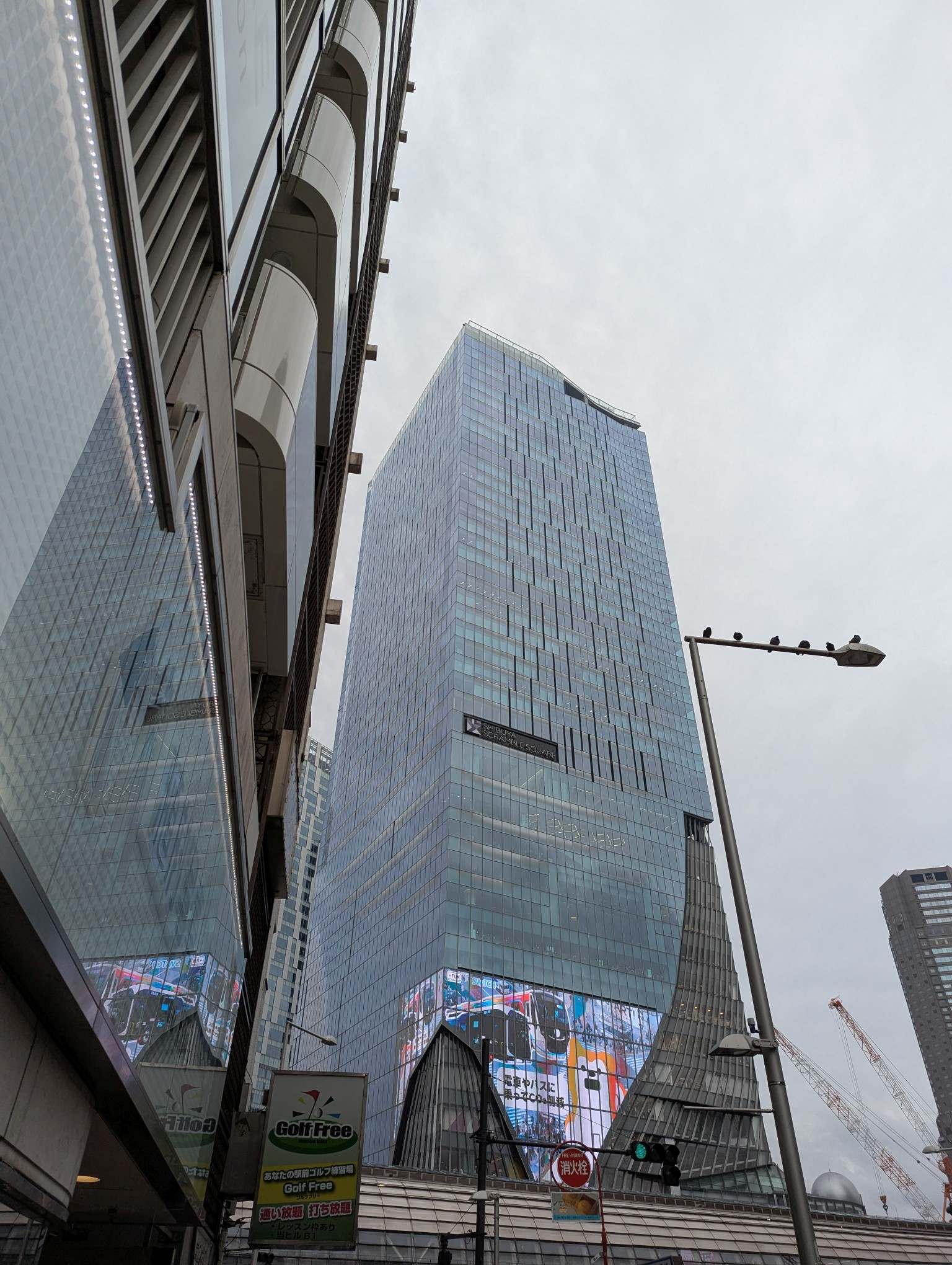
The coffee shop was great because it offered a beautiful view of the crossing, idiots walking, and near misses, all while enjoying delicious ham sandwiches and double-layer pancakes. The only downside was the relatively long wait time due to low staffing. But it was worth it in the end, as we were seated in the best spot to see the street. Of course, we crossed the street, but only to get to the other side. We didn’t behave like the other tourists, filming the entire thing or standing in the middle of the road when the light turned red.
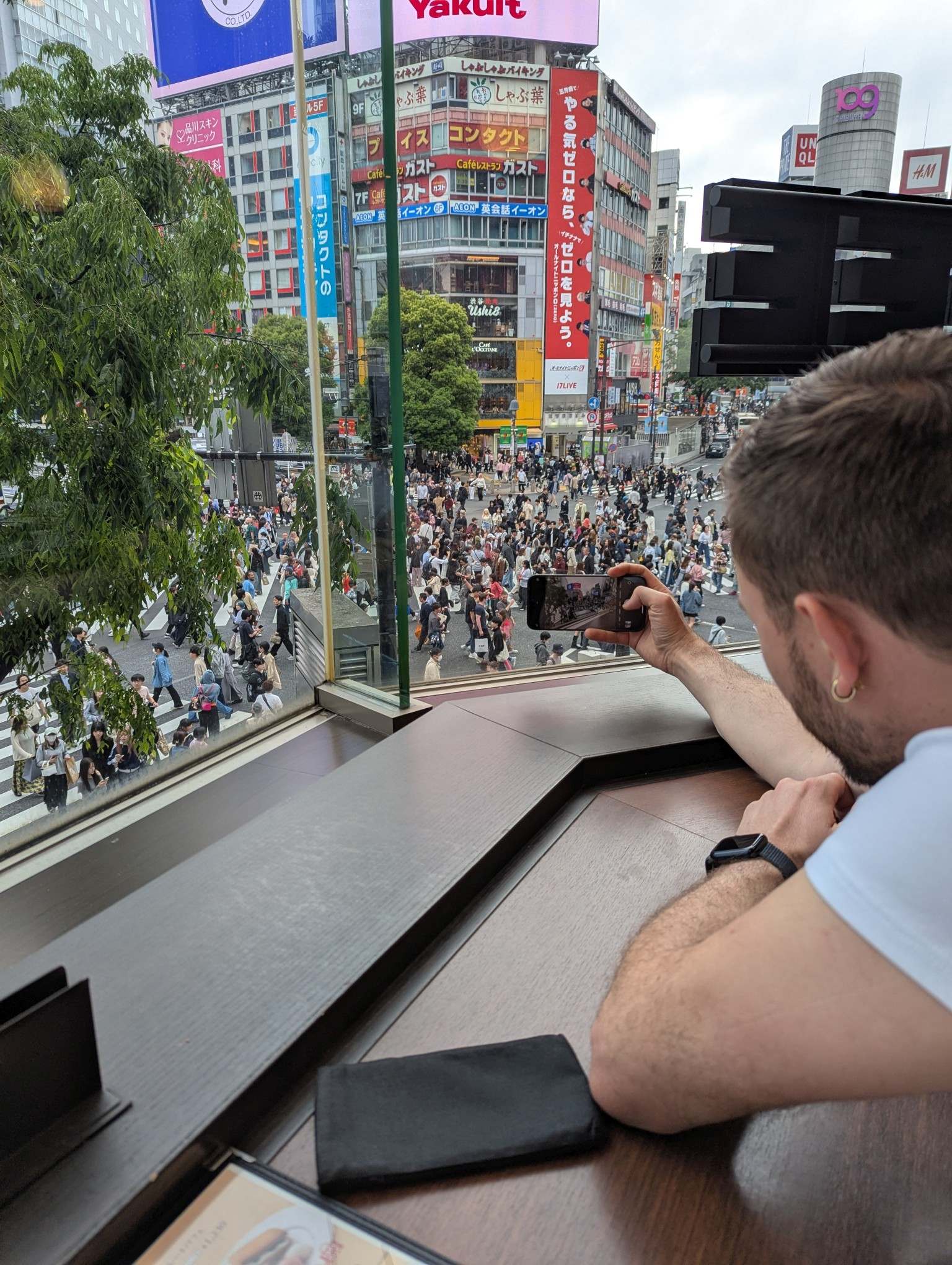
After this stop, we went up the tower. Getting the tickets was quite the ordeal. You have to book two weeks in advance, and new tickets become available at midnight Japan time (17:00 in Germany). If you don’t browse the ticket page early, you’ll be put in a queue. The first time, I tried to do this alone and ended up in a queue with 230,000 other people. I didn’t get any tickets. Even with the help of my companions, some of us did not have a chance to get tickets for this Saturday. Lastly, even if you put tickets in your basket, they sell out quickly. In the end, it worked out somehow. In hindsight, my failure to get tickets for the previous evening turned out to be the best case, as it rained and was cloudy on Friday evening, whereas Saturday was dry and with fewer clouds.
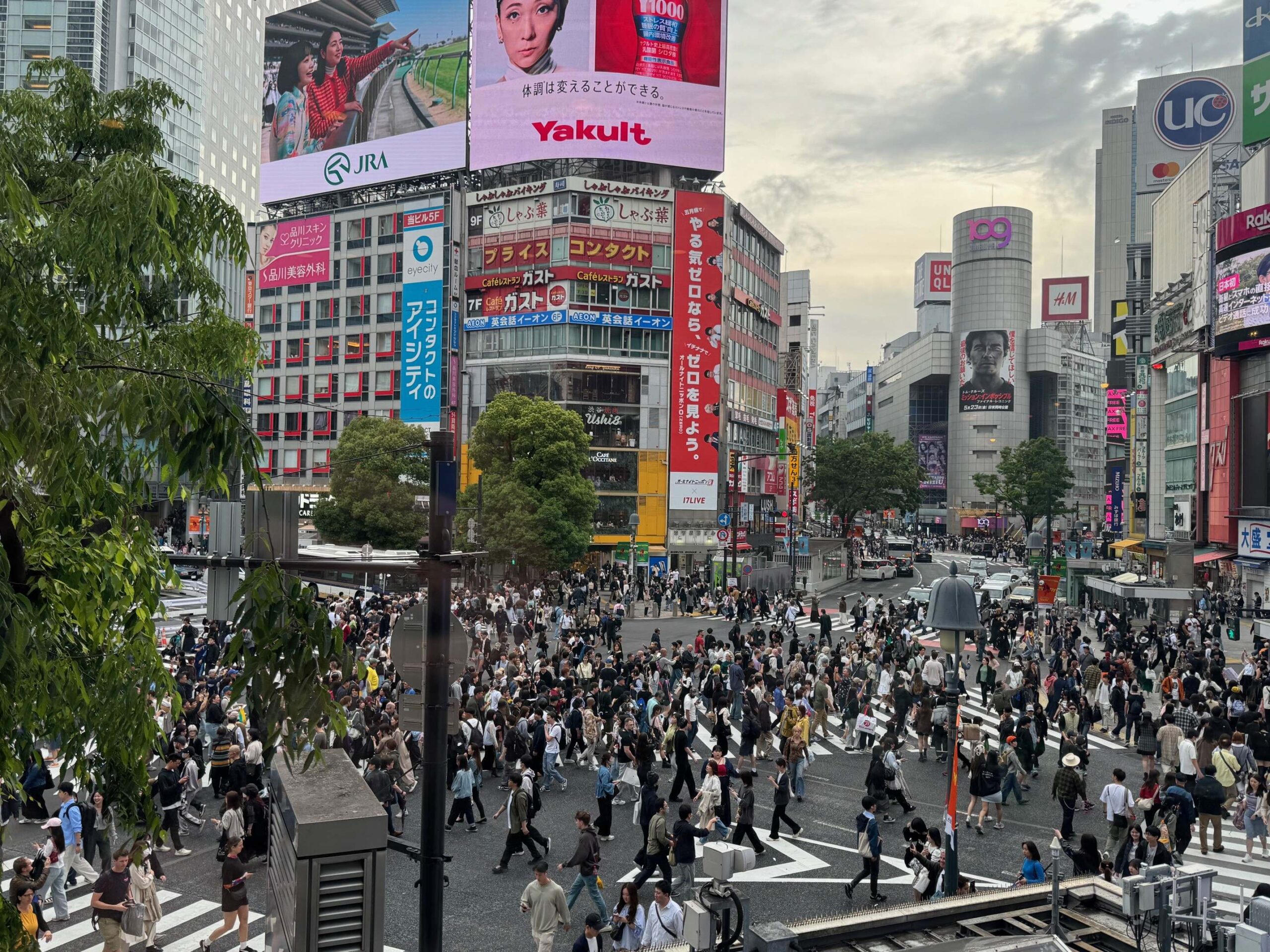
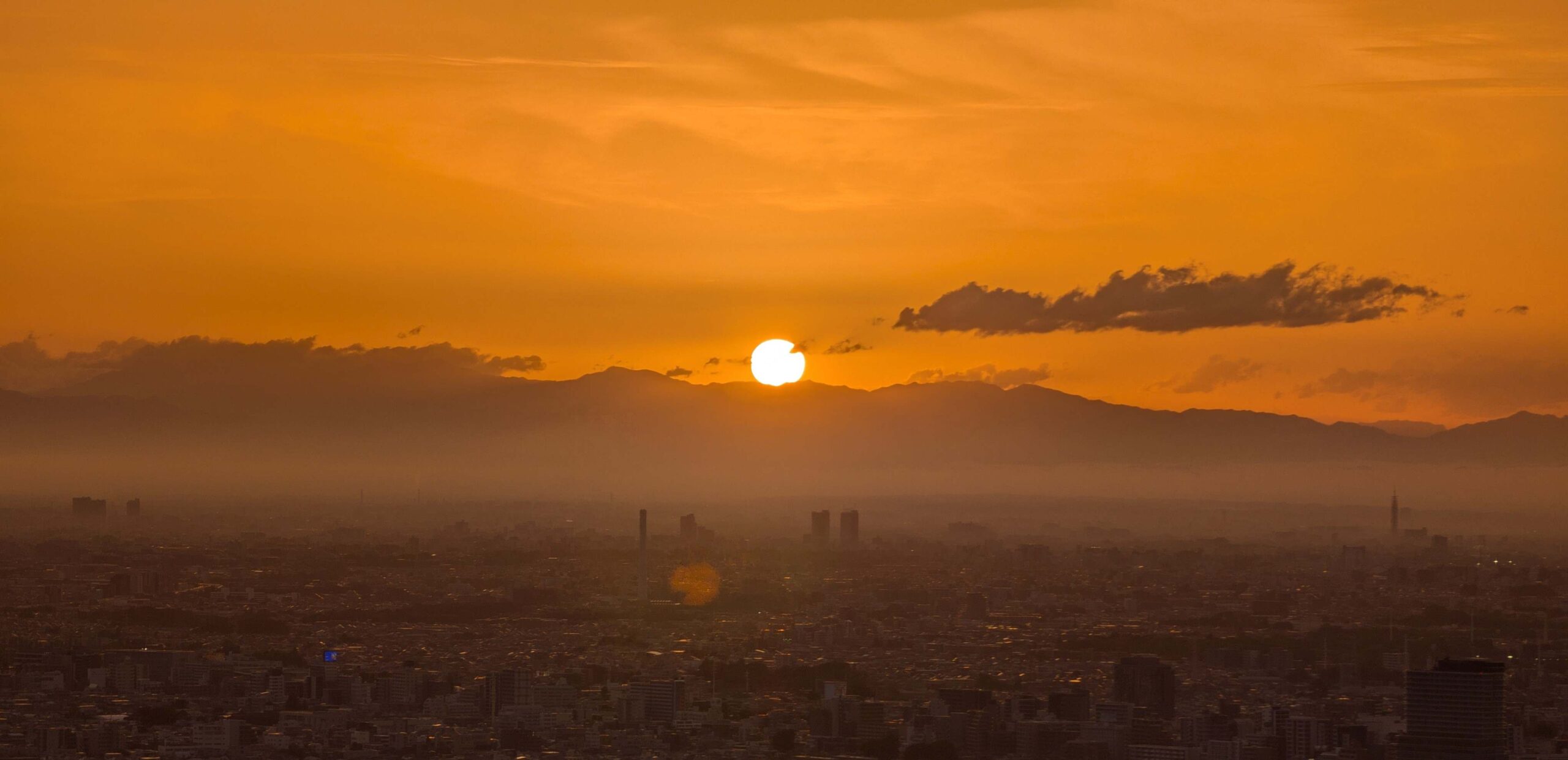
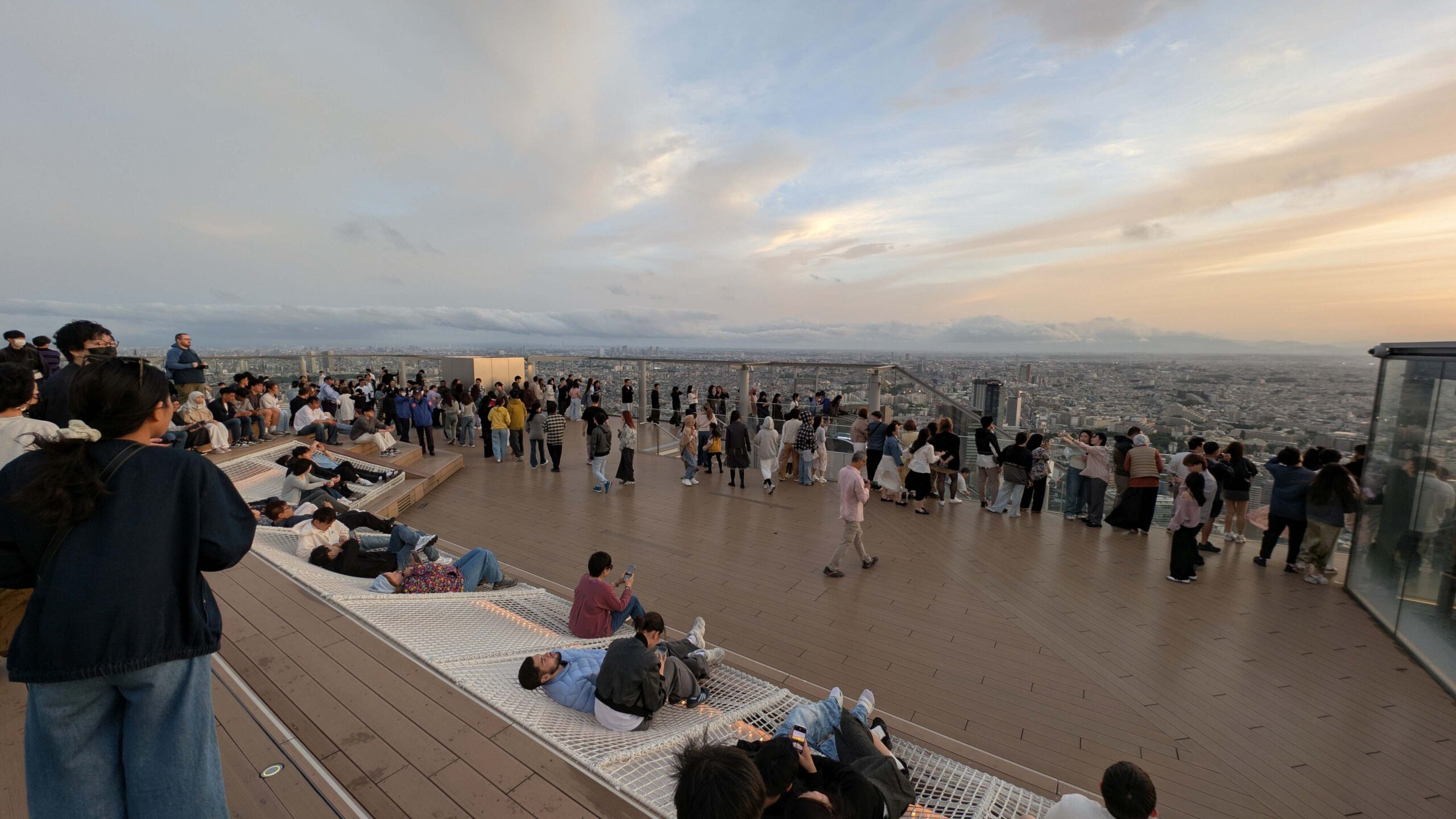
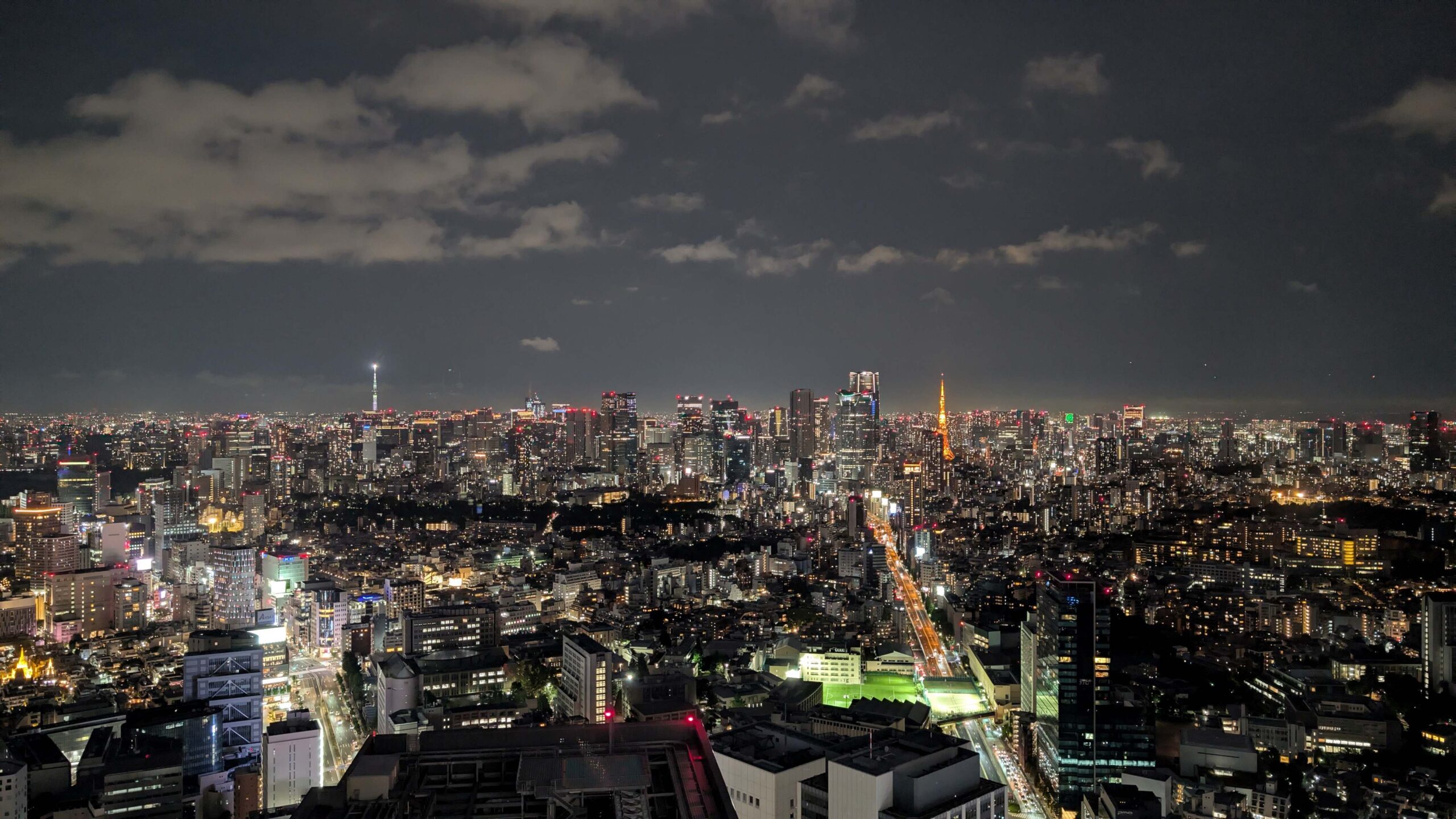
To get to the top of the tower, you first have to wait in line for an elevator that will take you to the 14th floor. From there, you have to wait in line again for another elevator that will take you to the top floor (45th and 46th). The tower is 230 meters high and has an observation deck and a roof terrace. To reach the terrace, go outside to the western corner and take the stairs or escalator along the side. You are not allowed to bring any bags outside, but since we arrived early, the locker situation was still relaxed. Once you’re up there, you can book a special cocktail area, have your photo taken or just sit on the stairs and watch the sunset.
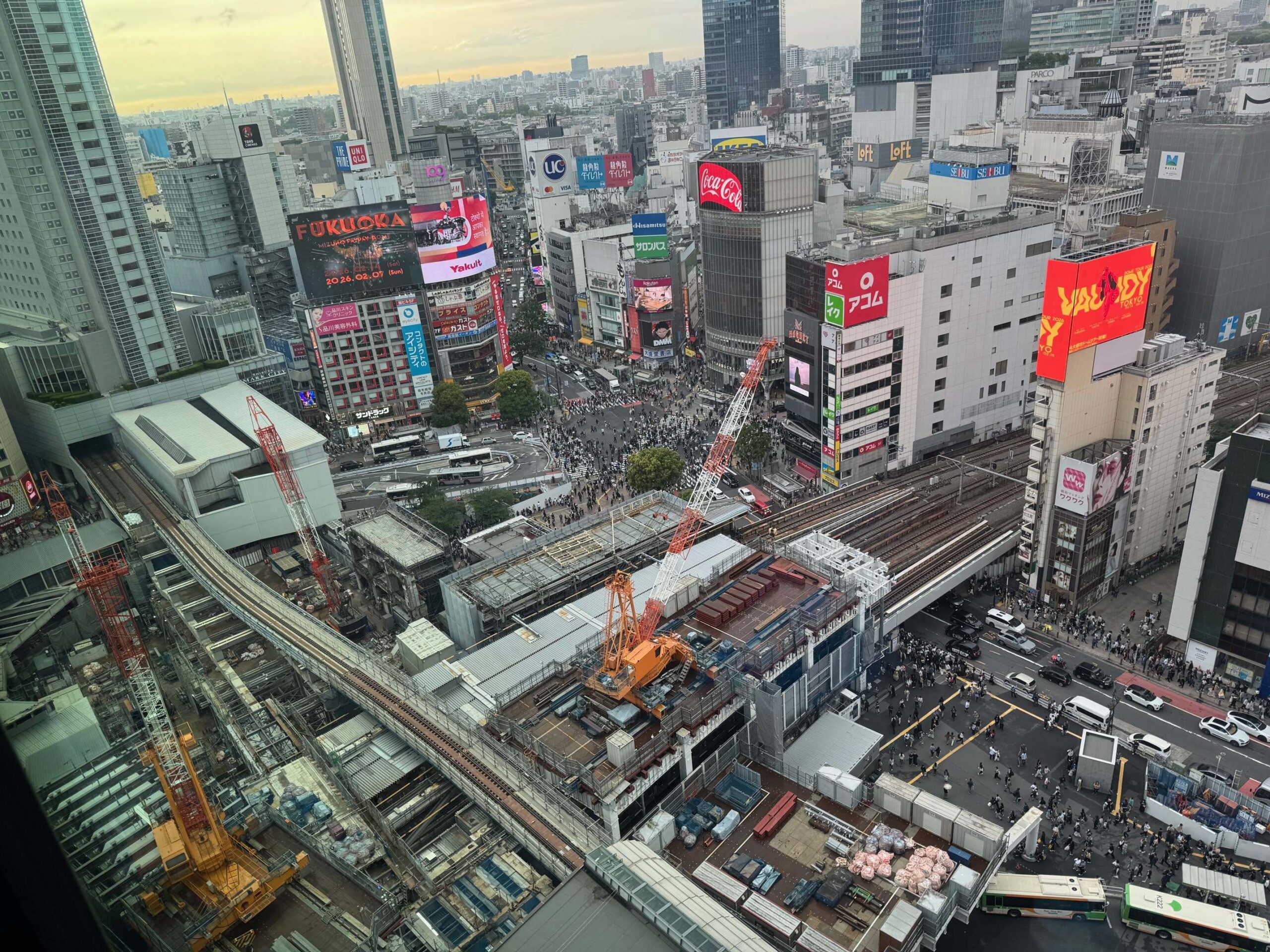
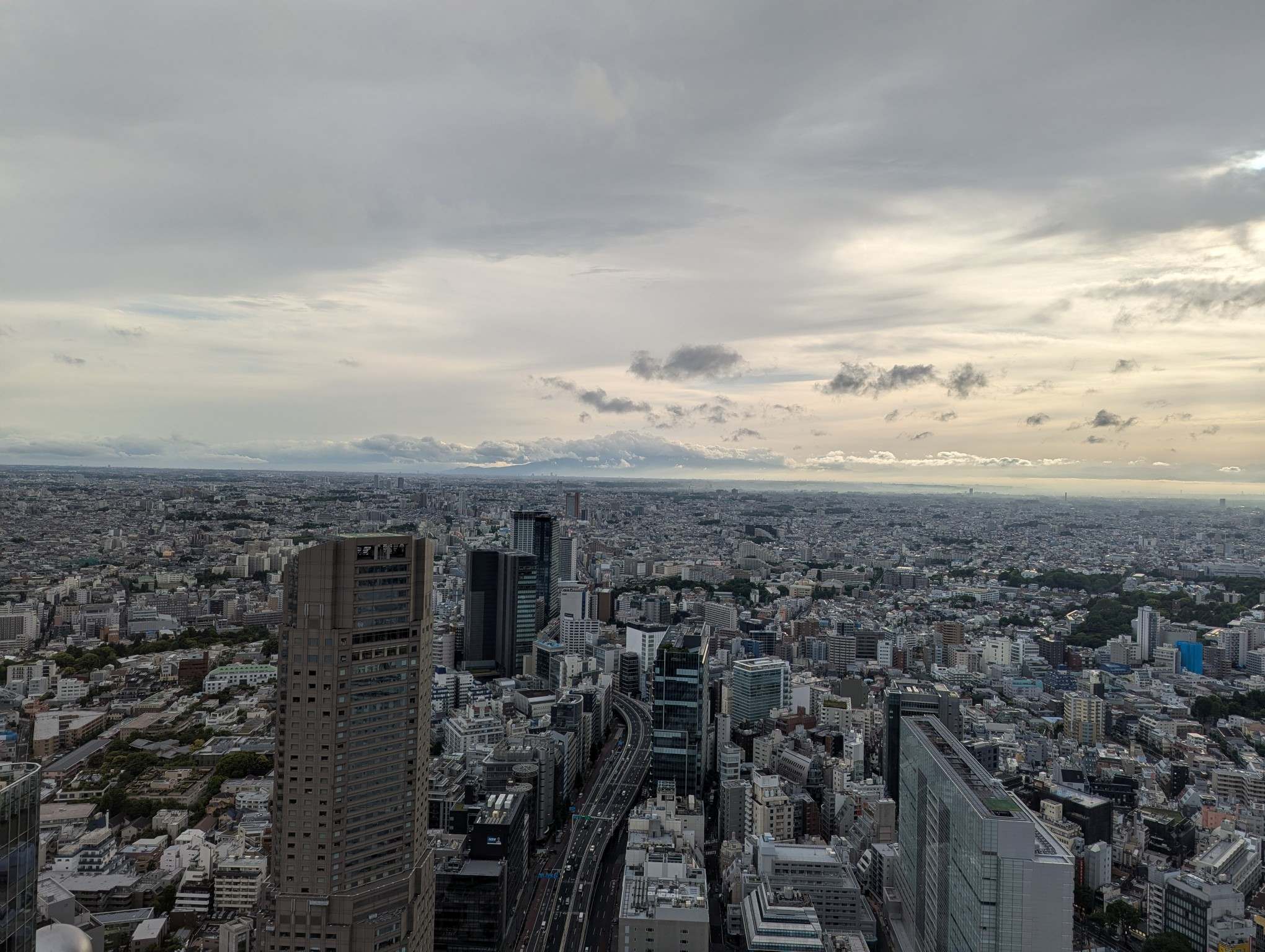
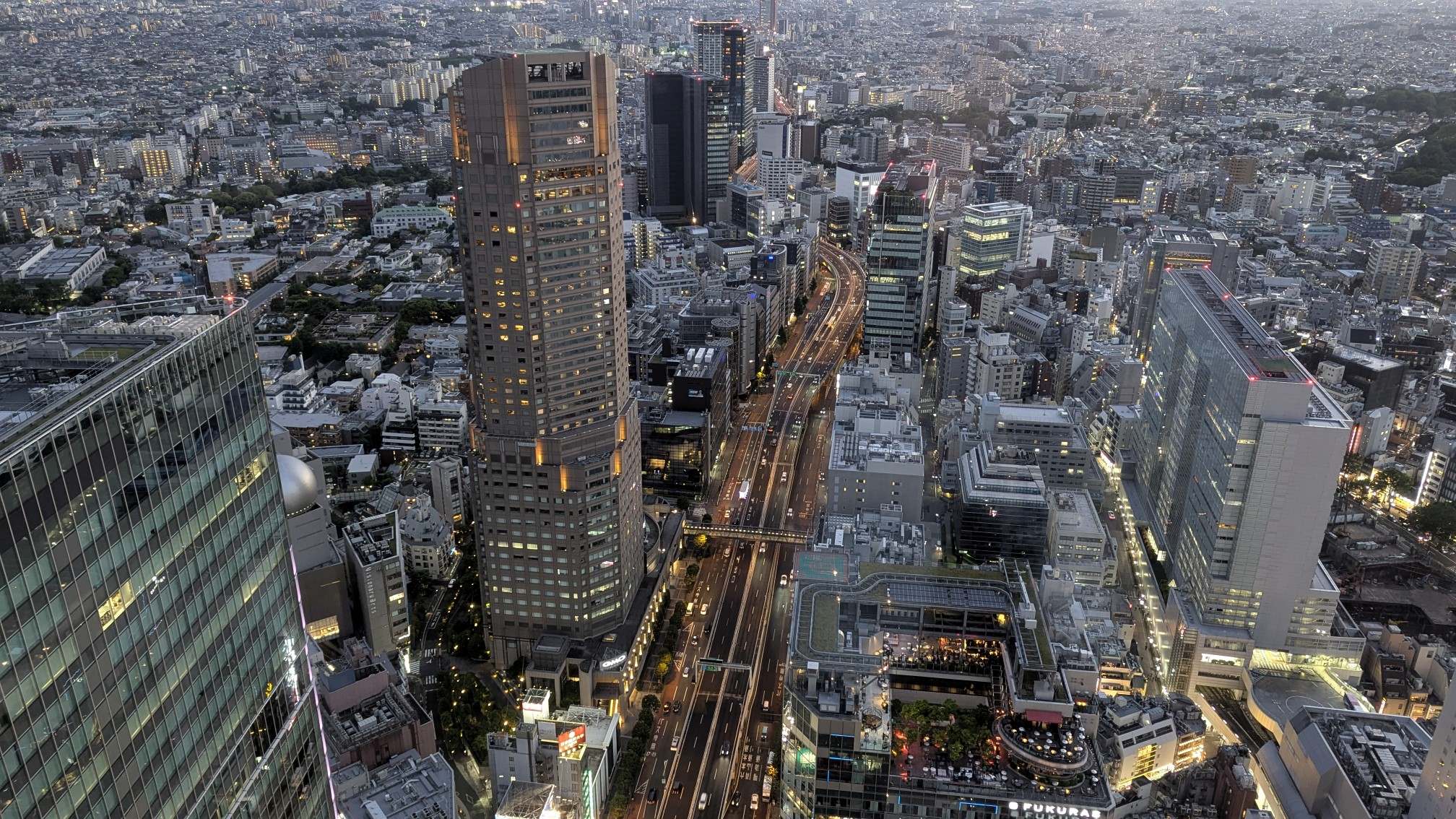
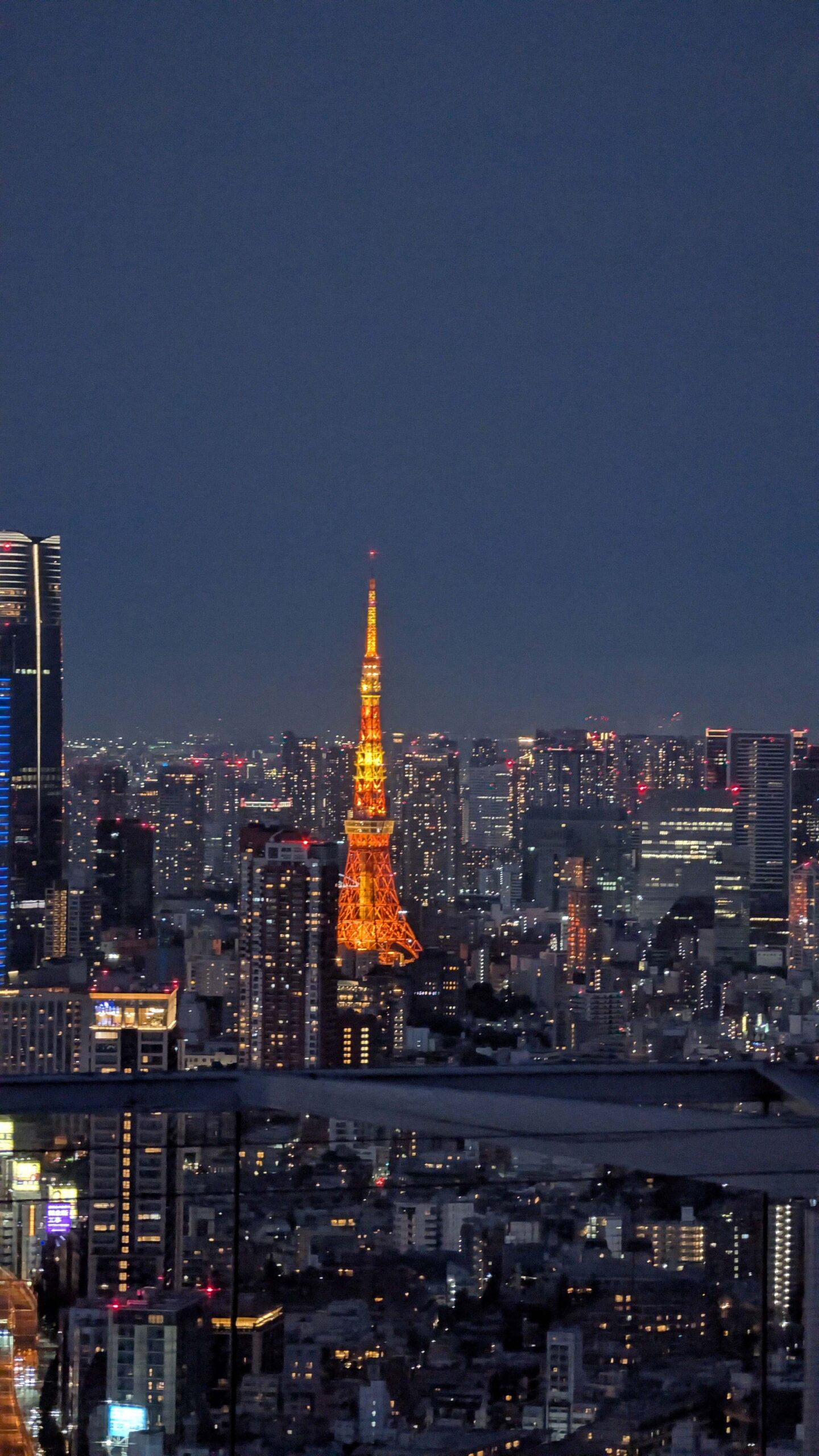
Despite the hassle of getting tickets, I highly recommend the view. You can see most of the other landmarks, grasp the vastness of the city, and get dizzy looking down into the concrete jungle.
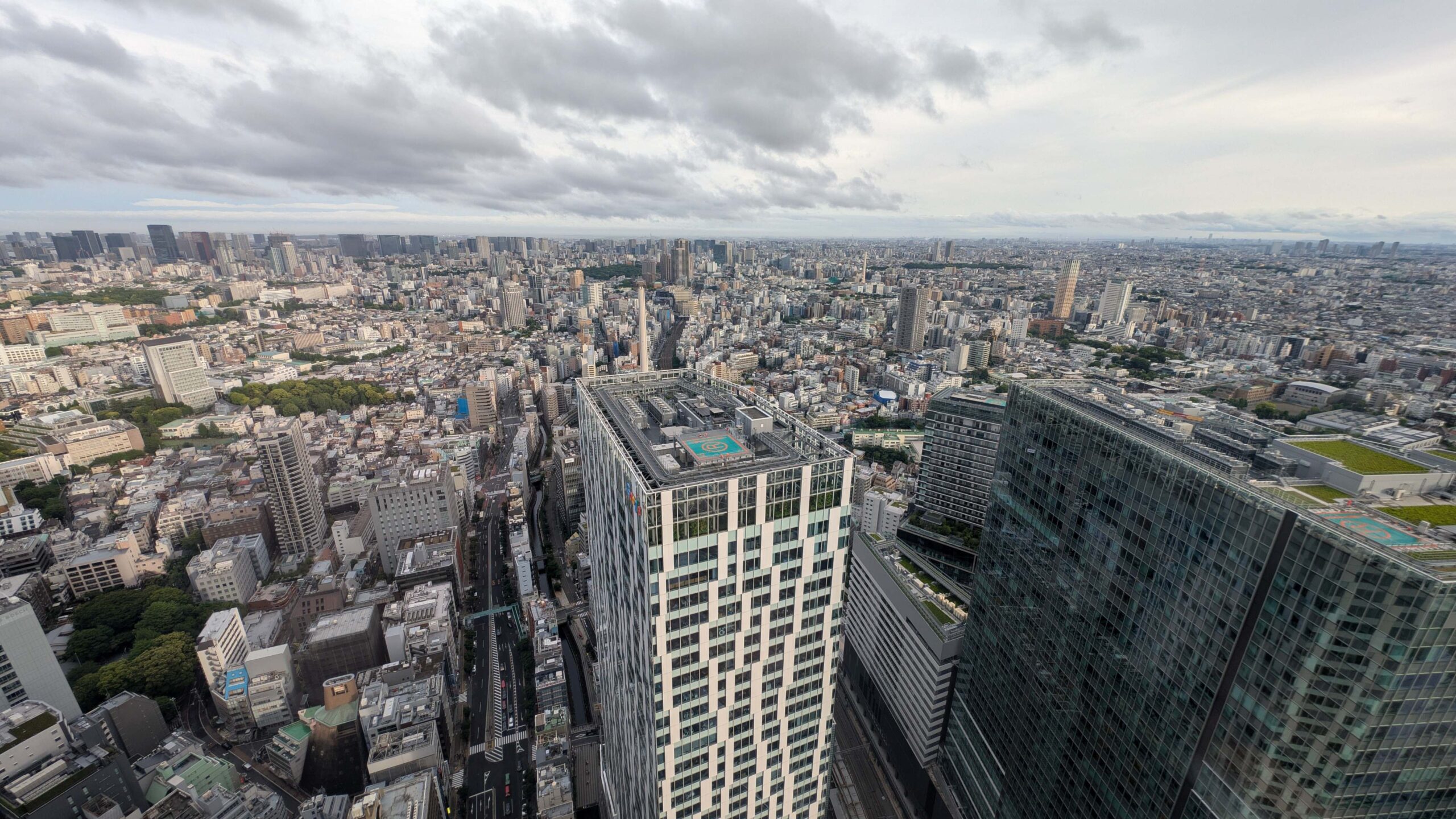
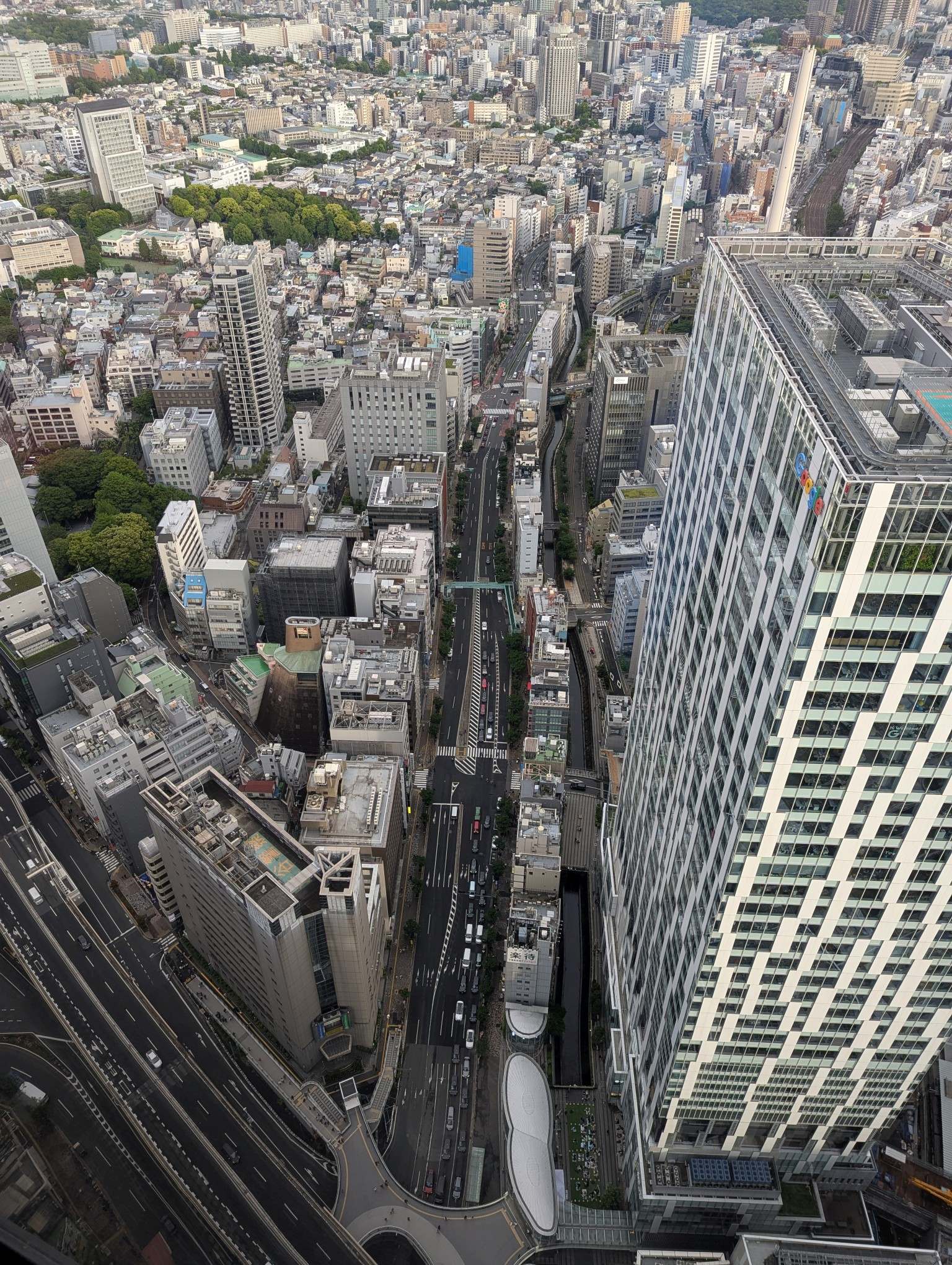
Once the sun fully set and the winds picked up, we decided to head back down. Since everyone else wanted to go down the observation tower, there were two lines: one to the 14th floor and one down to street level. To skip the second line, we took the escalators, which gave us a good idea of the size of the shops on these floors. There are many boutiques, clothing stores, and food stalls in just one of the many buildings.
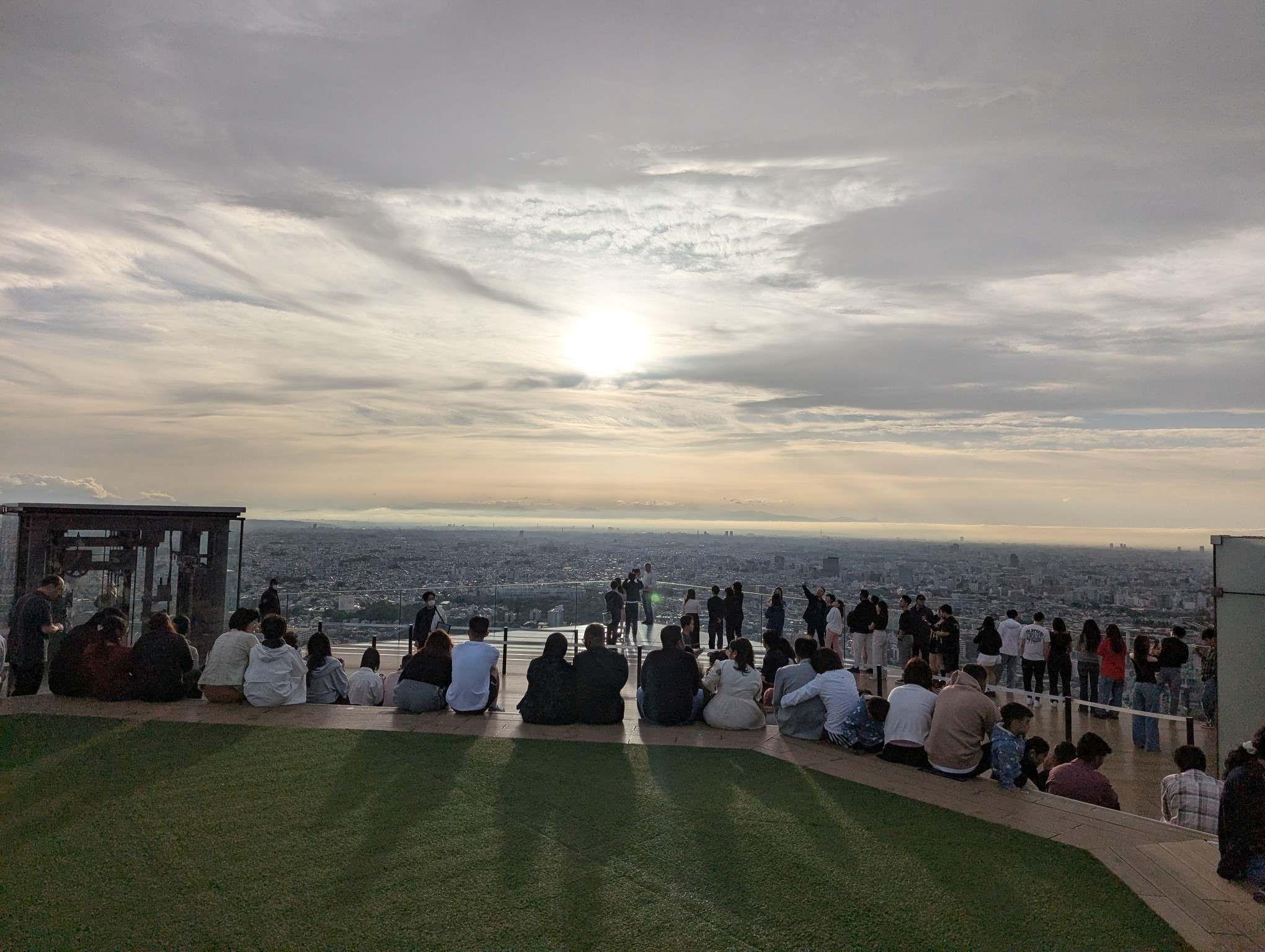
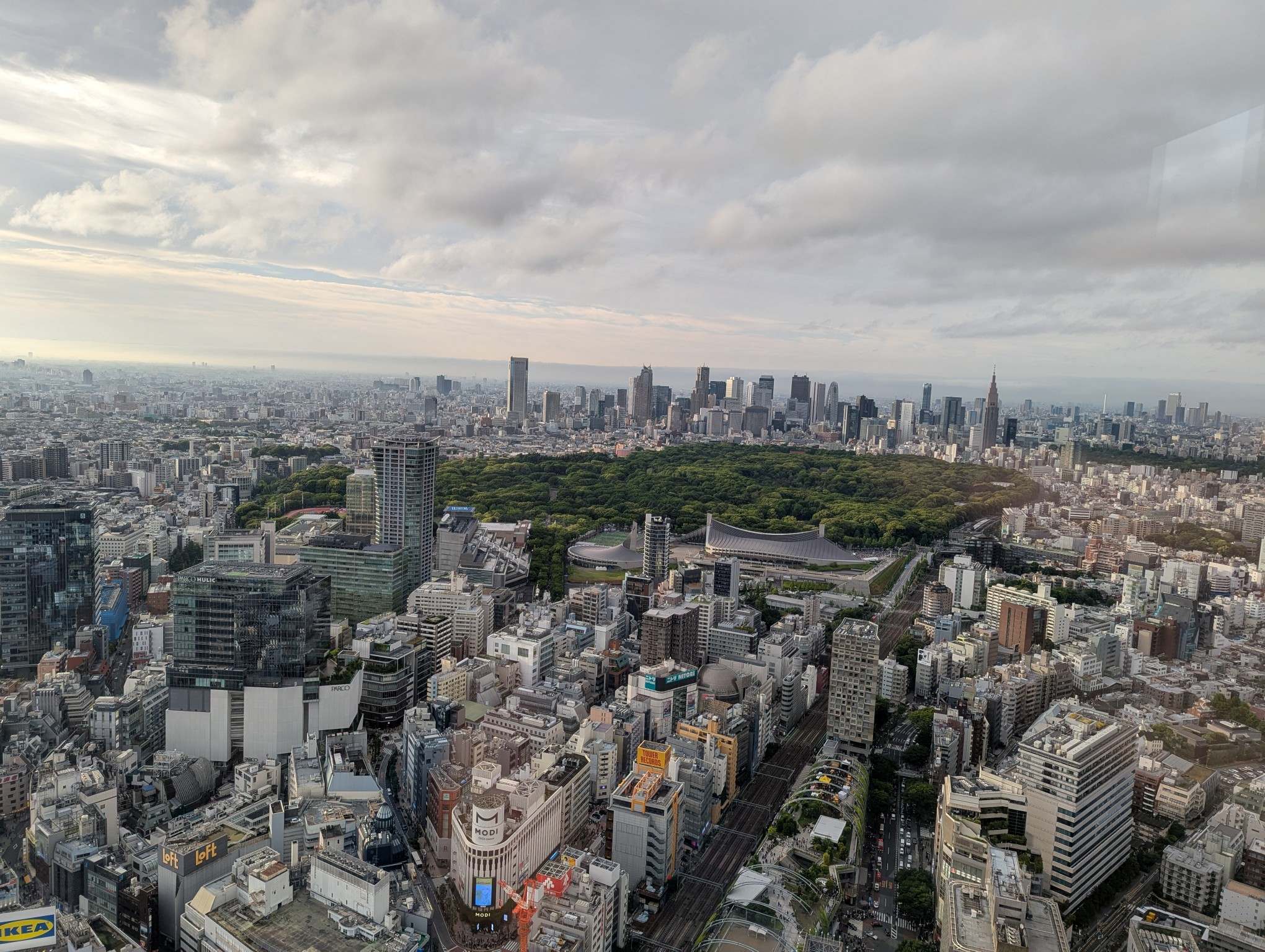
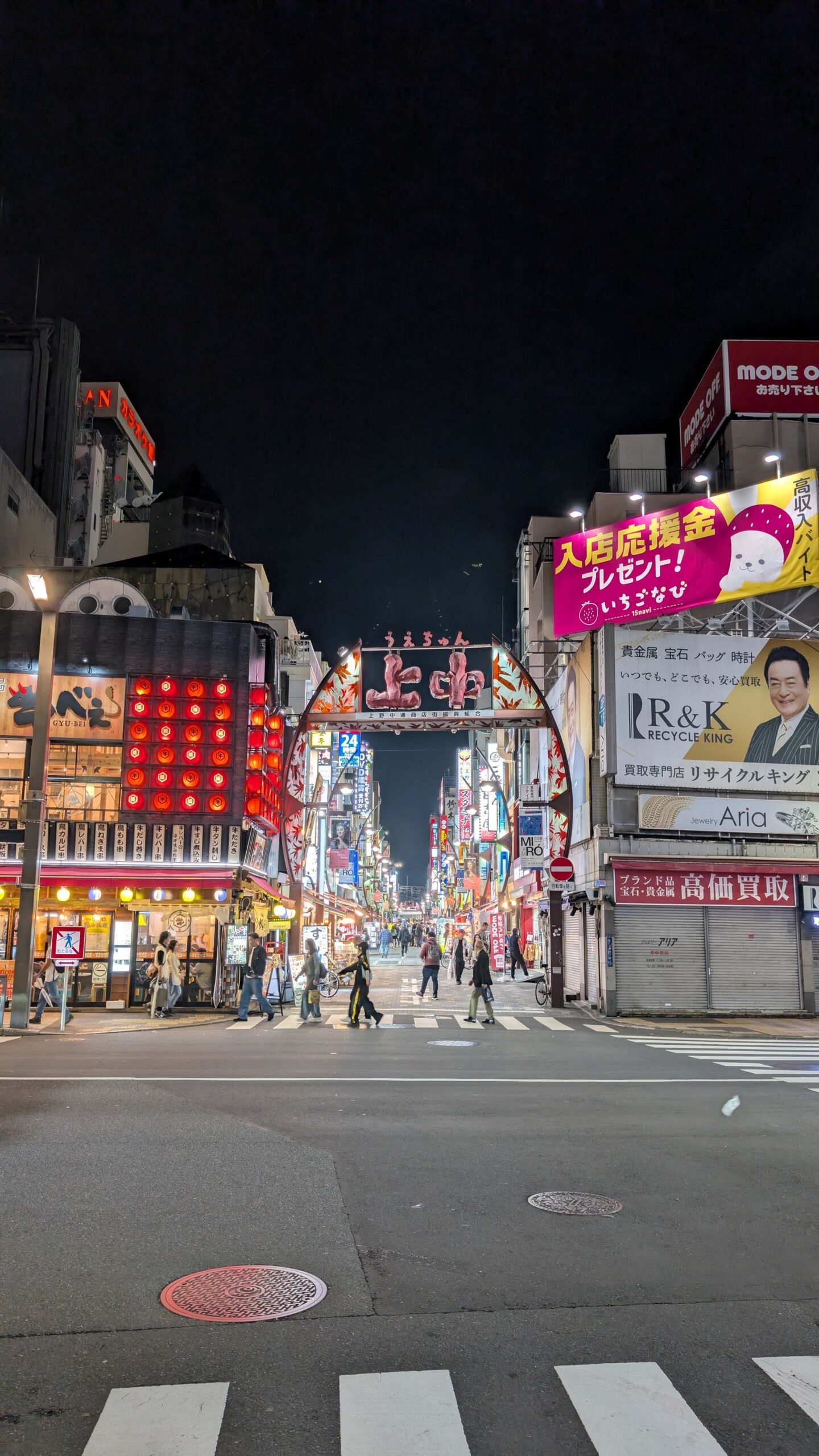
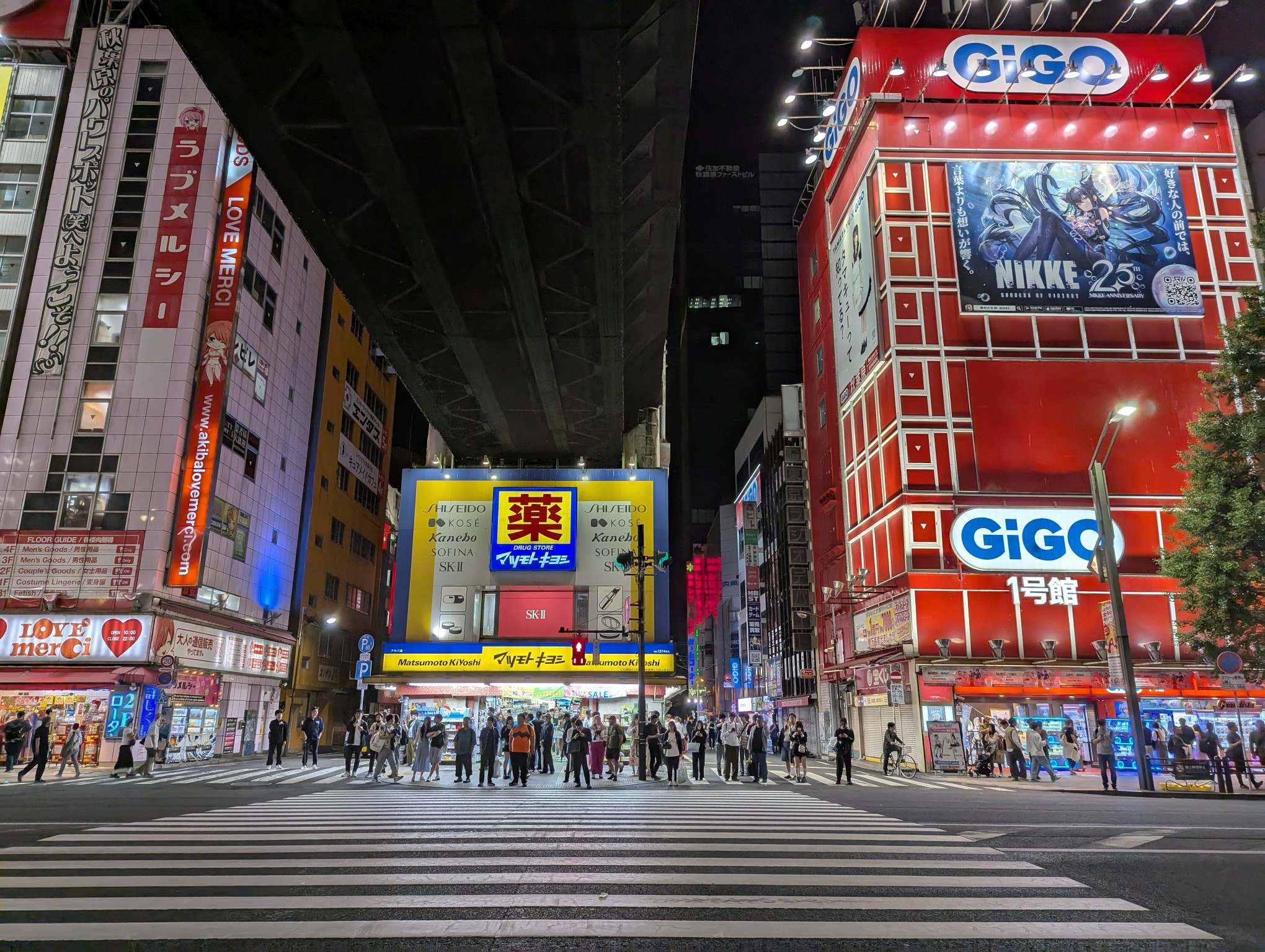
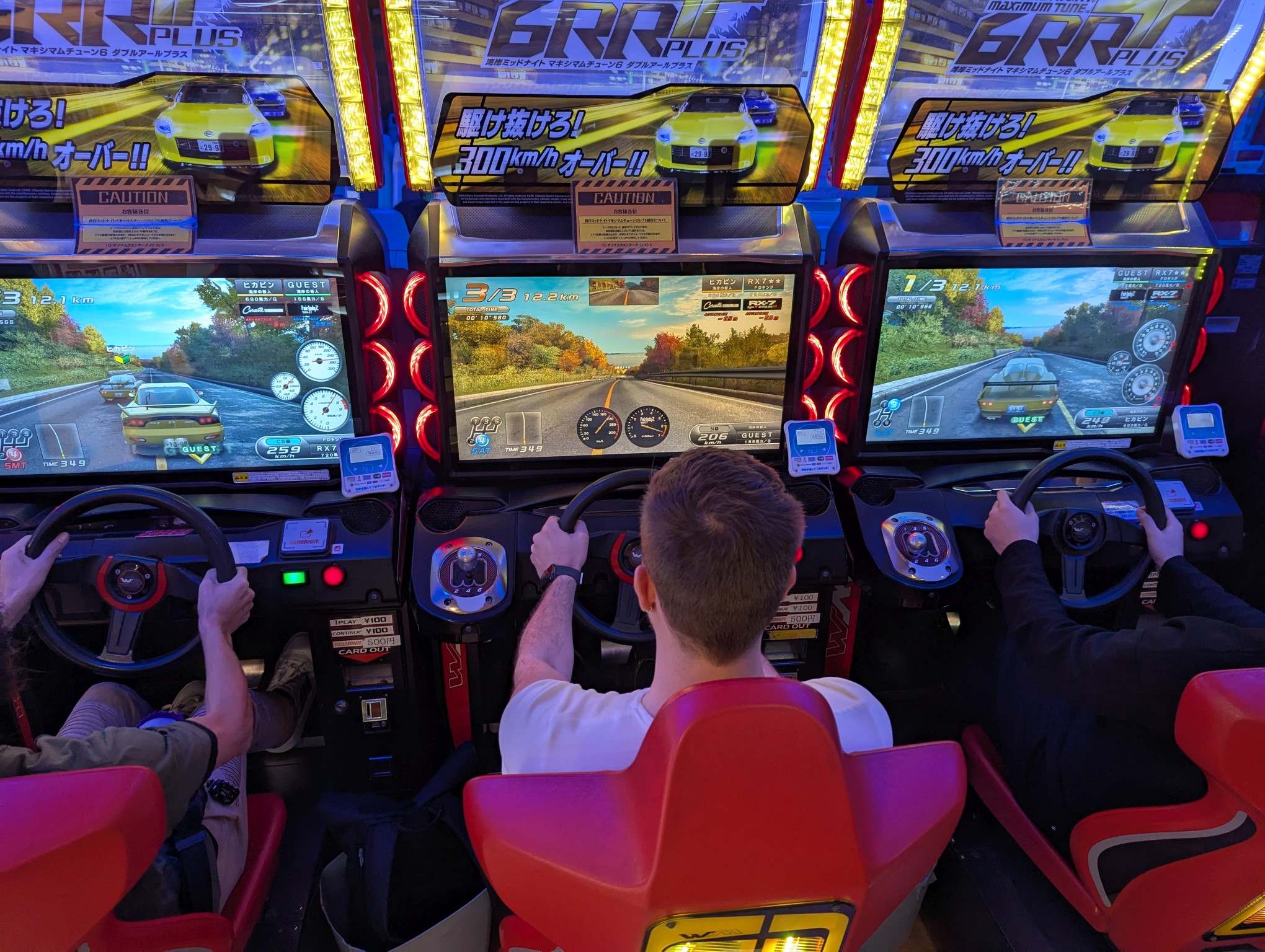
For our last activity of the day, we decided to revisit Akihabara, this time at night. As we walked, we noticed some people, but the nightlife was not what we expected. It turns out that the area focuses on maid cafés and luck-based arcade games. We visited two gacha arcades and then decided to look for an arcade with old games that don’t rely so much on luck. We got lucky and found one, where we spent some coins on old games, raced against locals in a driving simulator and fought pirates.
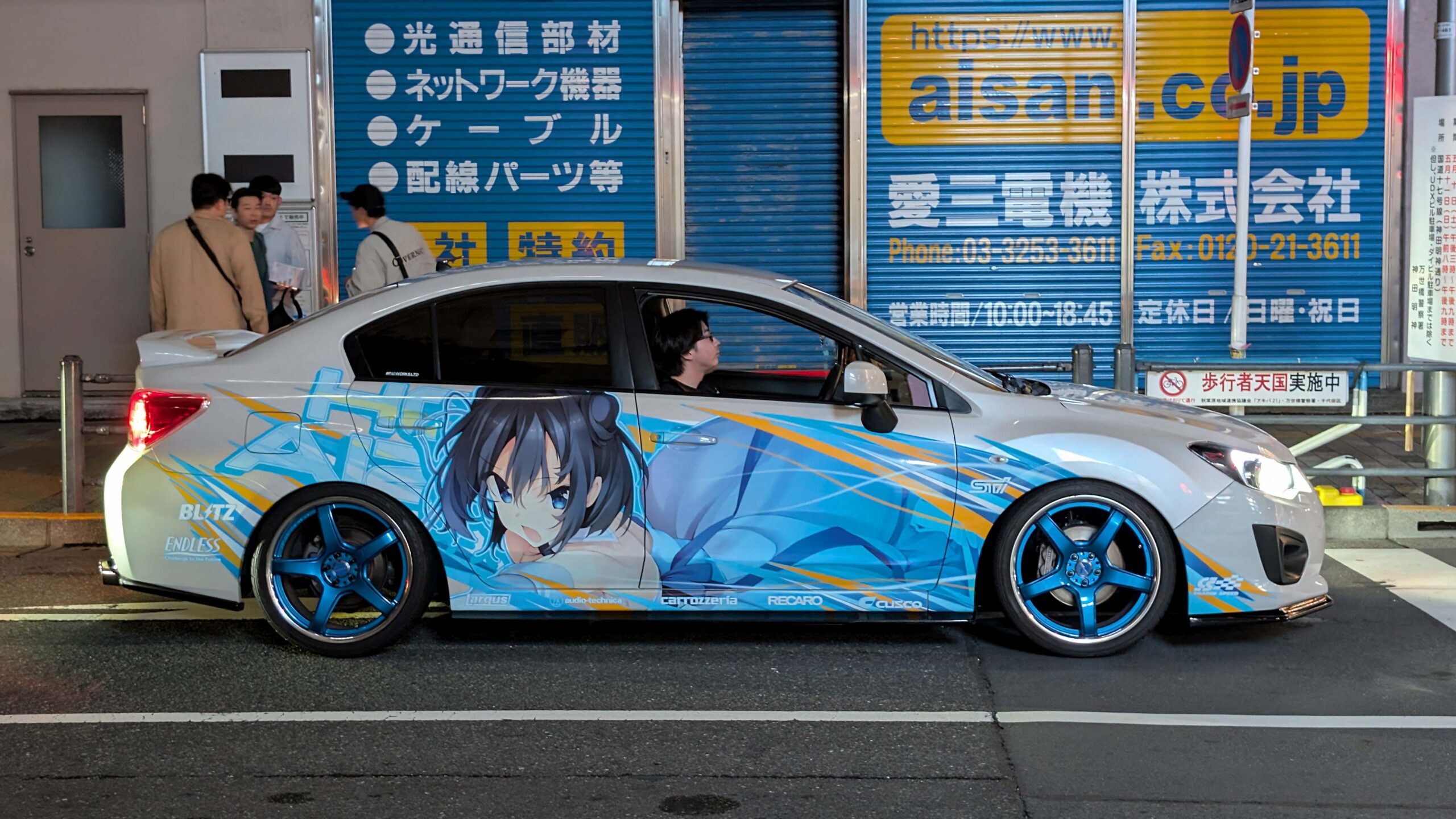
With removing this item from our bucket list, we went back to the hotel for our last night in Tokyo.
This is the first part of the series and our travel, you can expect more in the upcoming weeks, as I manage to find time.
Pingback: Part 2, Going to Japan: Osaka
Pingback: Part 3, Going to Japan: Onomichi
Pingback: Part 4, with Kinosaki Onsen