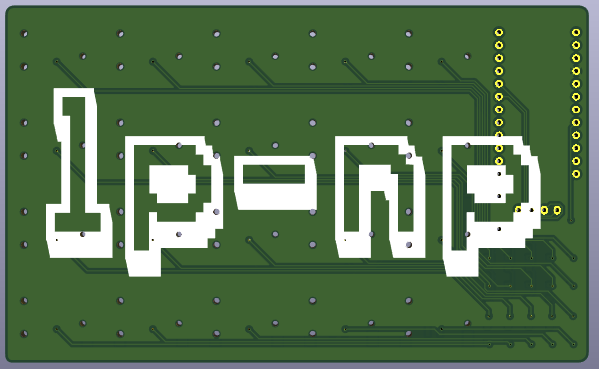
Building a lowprofile-numpad (lp-np)

Last year, some friends and I visited Mechanicon, the largest keyboard convention in Europe. Here, enthusiasts can present their creations and vendors can offer their items, with a prize raffle concluding the event. Sadly (or perhaps luckily, given that I didn’t need something) I didn’t win anything, however I did manage to pick up some low-profile switches from the trade corner. Once I had some switches in hand, I knew what I wanted to do: create my own PCB and keyboard. A numpad, to be precise. Since I have time to design my PCB and learn new things, how hard could it be?

Weiterlesen

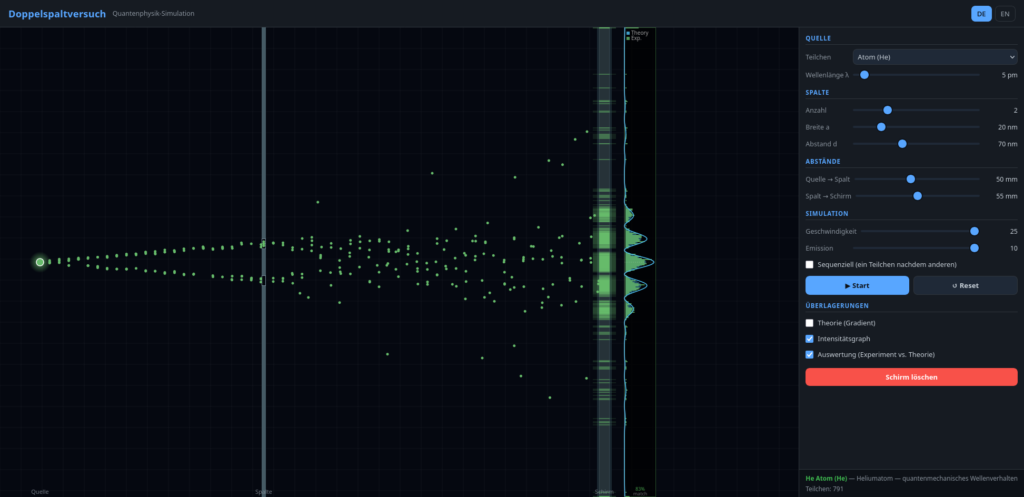
Double-Slit Experiment simulation

I wanted to play around a little bit with a Double-Slit Experiment simulation. To speed things up I used the provided GitHub kickstart a project with AI and I was surprised by the result. The bot created a first PR after some brief initial prompt, linked down below. For me the only task was to review and approve the commit to the project. The most interesting feature I discovered was the addition of rendered images of the resulting webpage. The repo can be found here.

Weiterlesen

Onelinecookbook

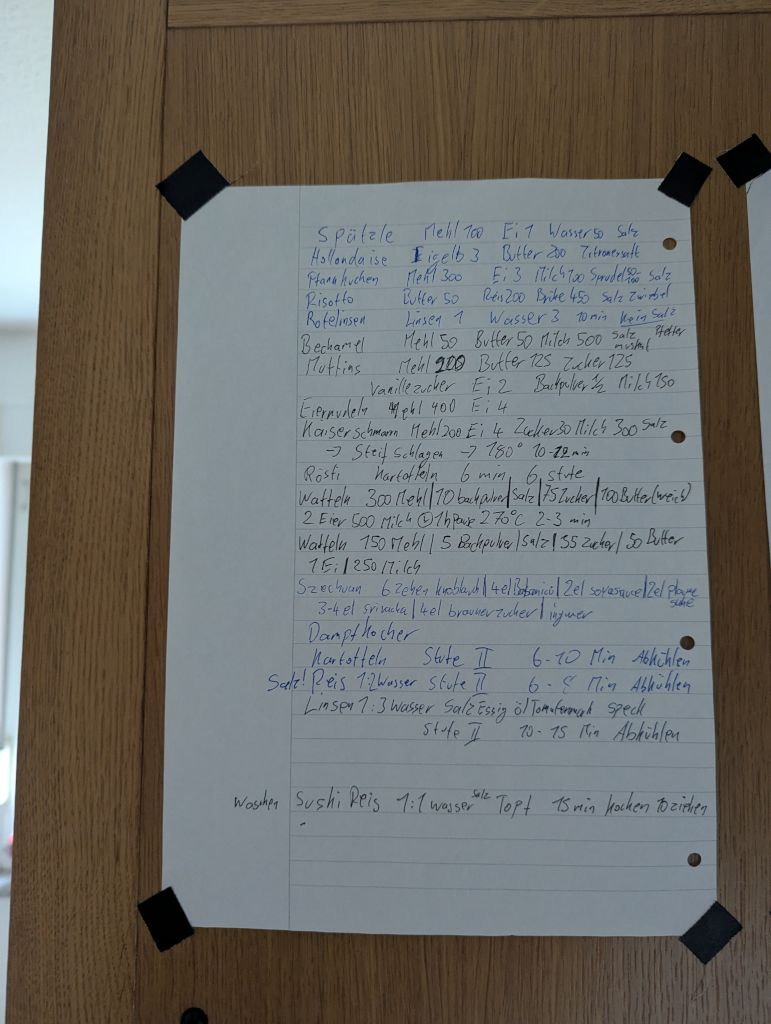
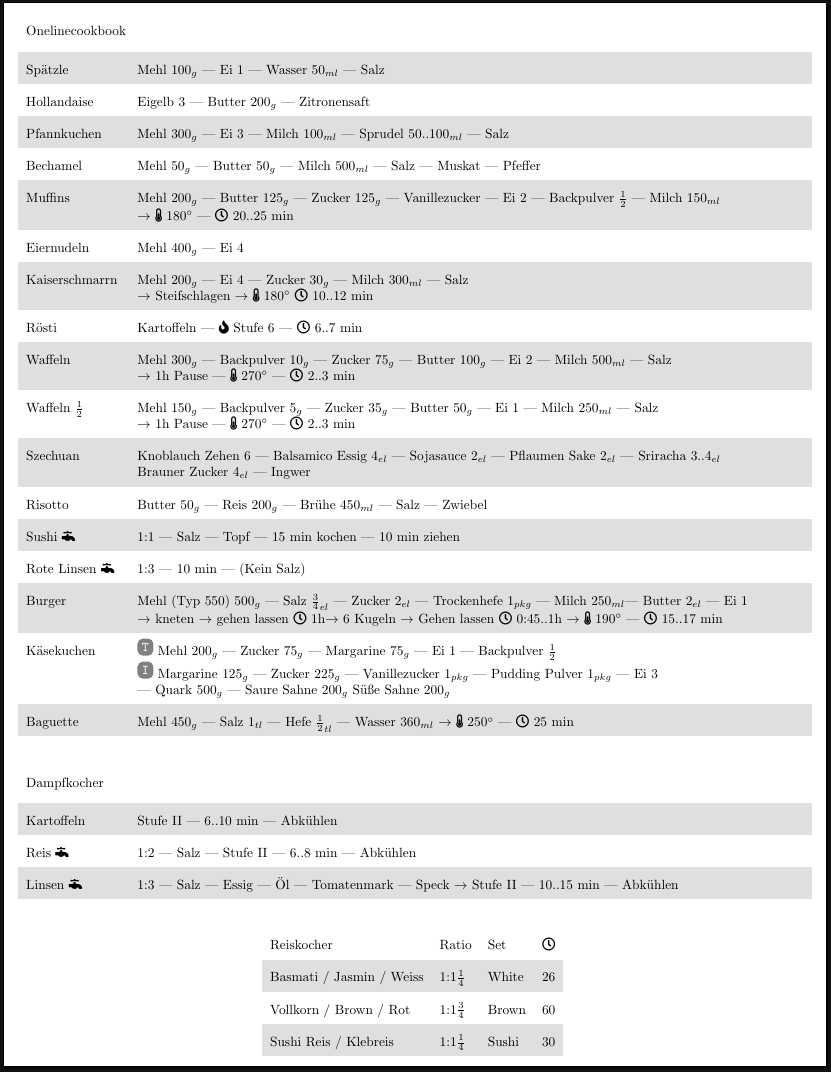
I have a cookbook. It is just the bare ingredients and temperature. The steps to cook I can recall from memory, but the ratio and temperature is a different topic. I had the vision to create something interactive and web based and even contemplated if I should register a domain. But I can see that this thing will have no user base. So I resorted to LaTeX and created a PDF. This will hopefully help me to not mix up the amount of salt next time.

You can find the source on my Github.

And if someone asks: The faucet is just a reminder that I have to wash the rice or lentils before further processing.

Playing with e-ink

This is a surprise for my mother, so the post is be a bit delayed.

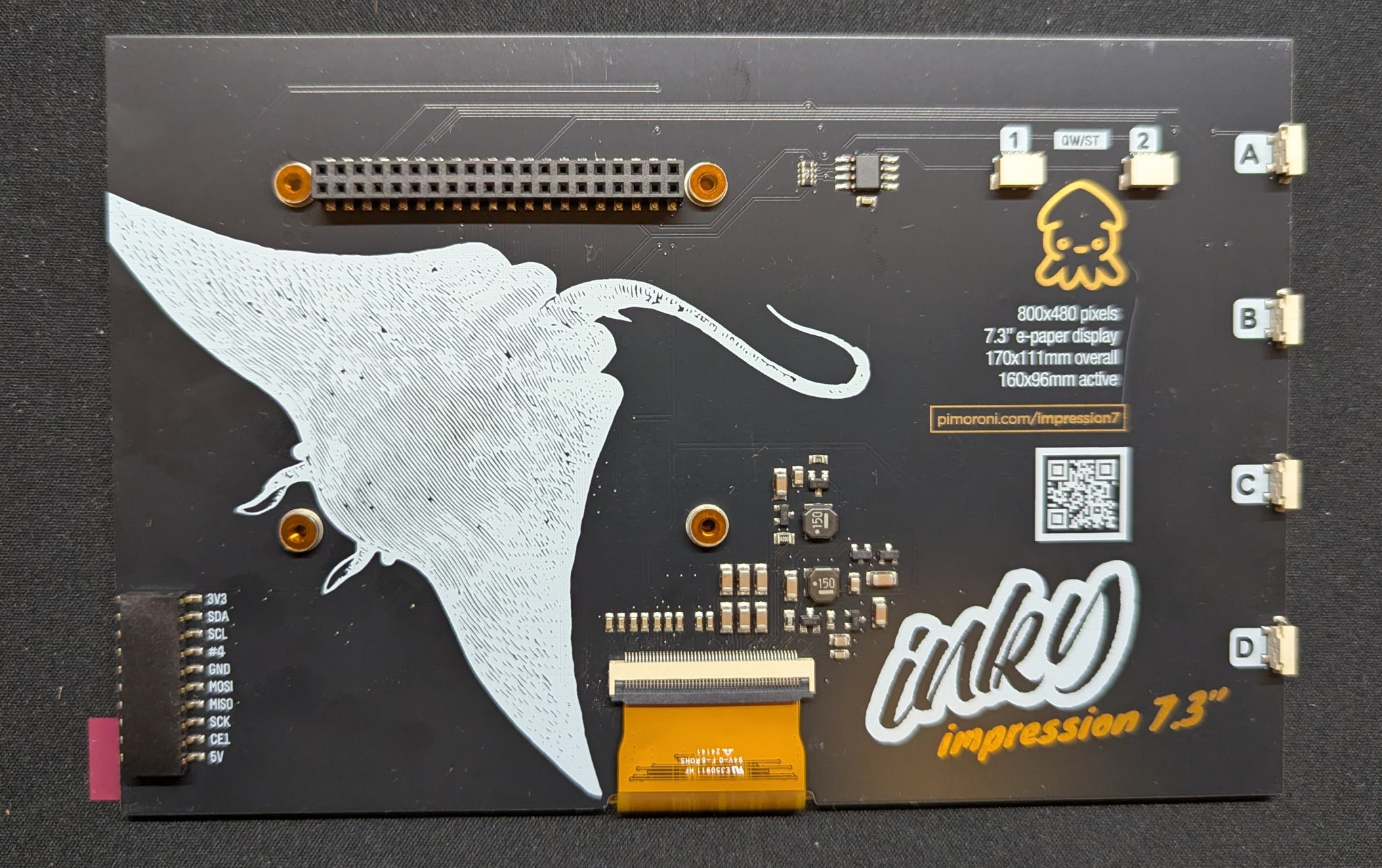
The screen from behind

The story begins with me having a Raspberry Pi Zero lying around and the wanting to do something useful with this tiny computer. In fact, it all started when the algorithm suggested a video to me of someone using a Raspberry Pi to create a digital photo frame.

Weiterlesen

Tasmotize Sinilink USB Switch

I wanted to be able to turn the Chromecast connected to my AVR on and off remotely without unplugging the cable. The rationale was that I did not want to have this device active all the time, only when I want to use it. One option would be to use a dedicated power supply in combination with a wireless plug. I use such devices with the open source software Tasmota.

After some digging around I found the Sinilink USB Switch Module (XY-WFUSB), a USB thumb drive size device that is able to be flashed with Tasmota as it uses an ESP8266 as chip.

The flashing, Breadboard to connect gpio zero to ground

As you can see the flashing is not trivial as the pin connectors on the device are quiet small. In my collection of electronic components I managed to find some pin connector that where fitting the small holes and could be used as adapter to regular sized breadboard cables.

Three pins where inserted from the top of the board and three from the bottom. Then trimmed to size so that they would not stick out of the board anymore and then wired according to the guide.

Another user was using sewing pins and Andreas Spiess made great video documenting the whole process that really helped me and encouraged to try this out.